Clocks Go Back October 25 in the UK, a Week Before the US
Key Points
- In the UK the clocks go back one hour at 2 a.m. on Sunday, October 25, 2026, and the EU changes on the same Sunday.
- In the United States daylight saving time ends at 2 a.m. local time on Sunday, November 1, 2026.
- For the week in between, the time gap between the UK and most of the United States is one hour smaller than usual.
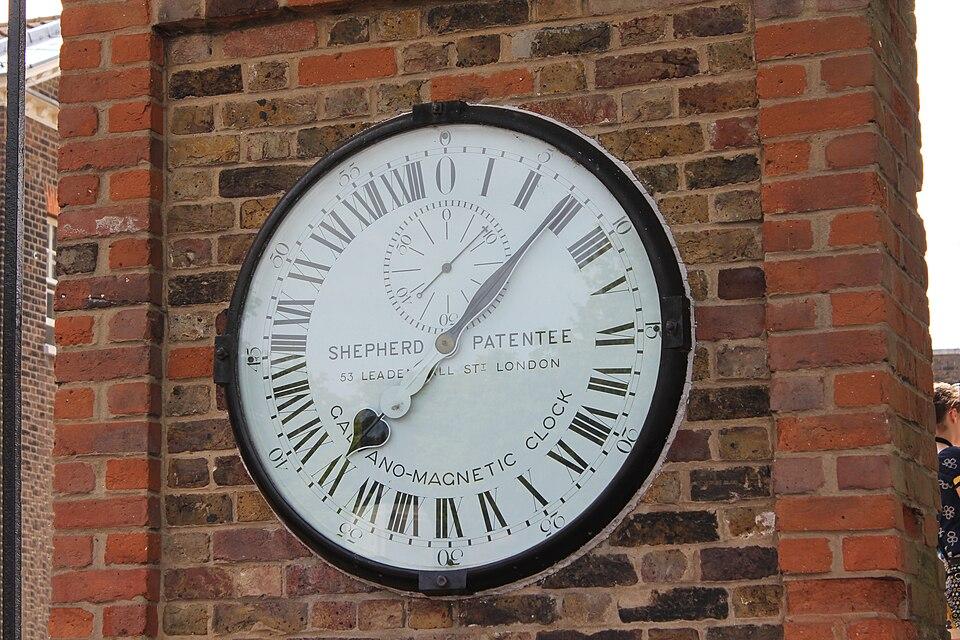

The UK and the EU turn their clocks back a week before the United States does. In the UK the clocks go back one hour at 2 a.m. on Sunday, October 25, 20261, while in the United States daylight saving time ends at 2 a.m. local time on Sunday, November 12. For the week in between, the time gap between the UK and most of the United States is one hour smaller than usual.
The dates
Under the fixed UK rule, clocks go forward one hour at 1 a.m. on the last Sunday in March and back one hour at 2 a.m. on the last Sunday in October1. When they go back, the UK returns from British Summer Time to Greenwich Mean Time. The same page lists the next change back as October 31, 2027.
The European Union uses the same Sundays. The EU's current rules, applied from 2002, require member states to change their clocks on the last Sunday in March and the last Sunday in October3, according to Royal Museums Greenwich, so EU countries fall back on October 25 as well.
In the United States, daylight saving time runs from 2 a.m. on the second Sunday of March to 2 a.m. on the first Sunday of November2, which in 2026 means March 8 to November 1. NIST notes that this works out to 238 days, or about 65 percent of the year.
Who does not change at all
NIST lists Hawaii, American Samoa, Guam, Puerto Rico, the Virgin Islands and Arizona as places that do not observe daylight saving time2, although the Navajo Indian Reservation inside Arizona does observe it. Places that skip it stay on standard time all year, so their time difference with the rest of the country changes each March and November.
Worldwide, about 70 countries use some form of daylight saving, mainly in Europe and North America3. Royal Museums Greenwich explains that countries near the equator see little change in day length through the year, so the switch offers them no benefit.
How the clock change began
Benjamin Franklin mentioned the idea in 1784, but the first serious British proposal came in 1907 from William Willett, who self-published a pamphlet called "The Waste of Daylight"3. Willett died in 1915, and in 1916, according to Royal Museums Greenwich, Germany became the first country to adopt daylight saving time, with the UK following a few weeks later3.
During the Second World War Britain went further, setting clocks two hours ahead of GMT in summer (British Double Summer Time) and one hour ahead through the winter3. Between 1968 and 1971 the UK tried keeping the clocks forward all year, then dropped the experiment3. In the United States, daylight saving time was formally introduced in 1918, and the current rules took effect in 2007 under the Energy Policy Act of 20052, which lengthened it by about a month.
Will Europe stop changing the clocks?
In March 2019 the European Parliament backed a proposal to end seasonal clock changes in the EU, but the legislation has stalled3. For now, EU countries keep changing their clocks twice a year, and the UK does the same.
Trivia
- Who published the 1907 pamphlet "The Waste of Daylight"? William Willett3.
- In what year did the UK first put its clocks forward for summer? 19163.
- What was the wartime British arrangement two hours ahead of GMT called? British Double Summer Time3.
- How many days a year does daylight saving time last where the United States observes it? 238 days, about 65 percent of the year2.
- Which part of Arizona does observe daylight saving time? The Navajo Indian Reservation2.
Sources
- When do the clocks change?, GOV.UK. Accessed October 23, 2026.
- Daylight Saving Time Rules, National Institute of Standards and Technology. Accessed October 23, 2026.
- What is British Summer Time (BST)?, Royal Museums Greenwich. Accessed October 23, 2026.