The First Harry Potter Film at 25: How It Opened in the US in 2001
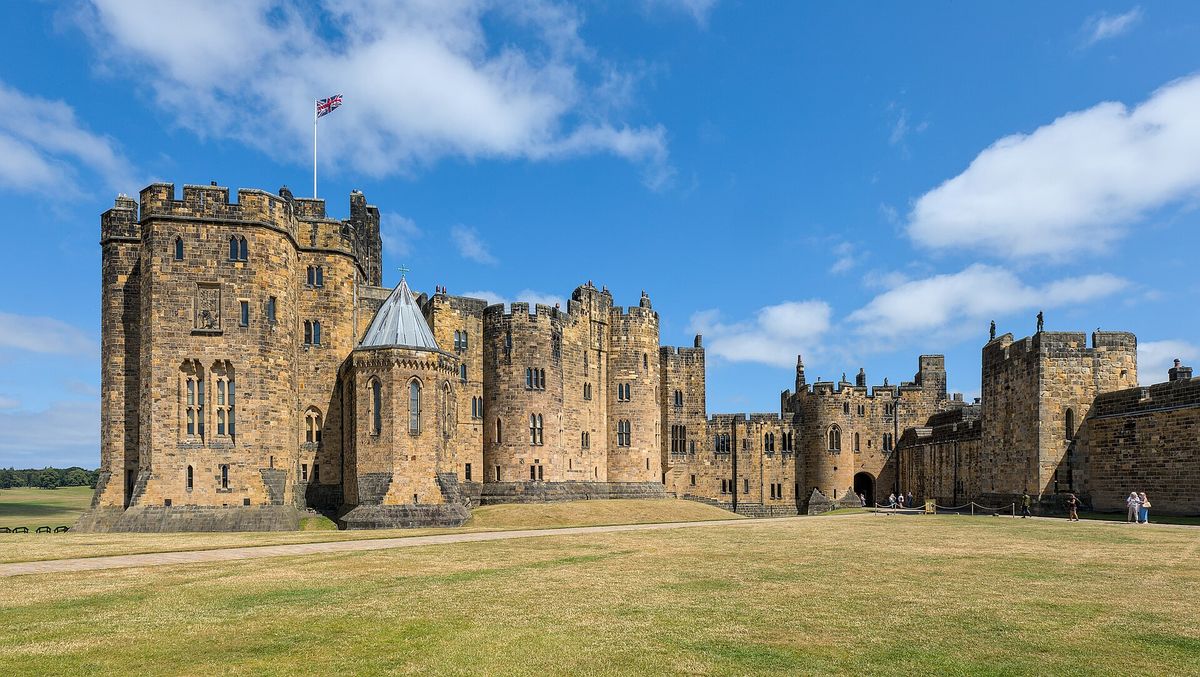
Harry Potter and the Sorcerer's Stone opened in US theaters on November 16, 2001. How Warner Bros. made it, who was cast, where it was filmed, the record weekend, and a trivia round.
Section
Television, film and the stories behind them, from Game of Thrones and classic sitcoms to character portraits and how recent releases did.
Guys and Dolls opened on Broadway on November 24, 1950. The team behind it, the 1,200 performance run, the 1951 Tonys, the Pulitzer that went to nobody, the 1955 film, the revivals and a trivia round.
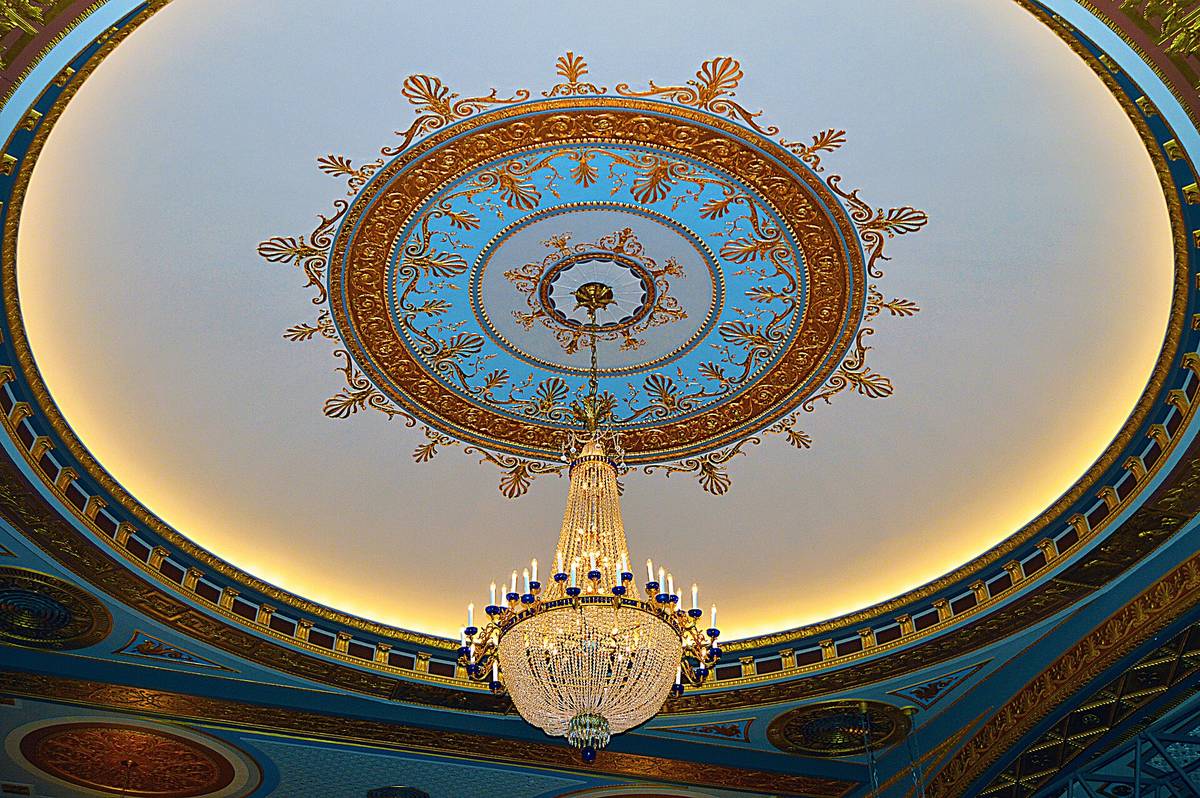
Rockstar lists Grand Theft Auto VI for November 19, 2026 on PS5 and Xbox Series X|S. Pre-loading, the delay history and the Edinburgh studio.
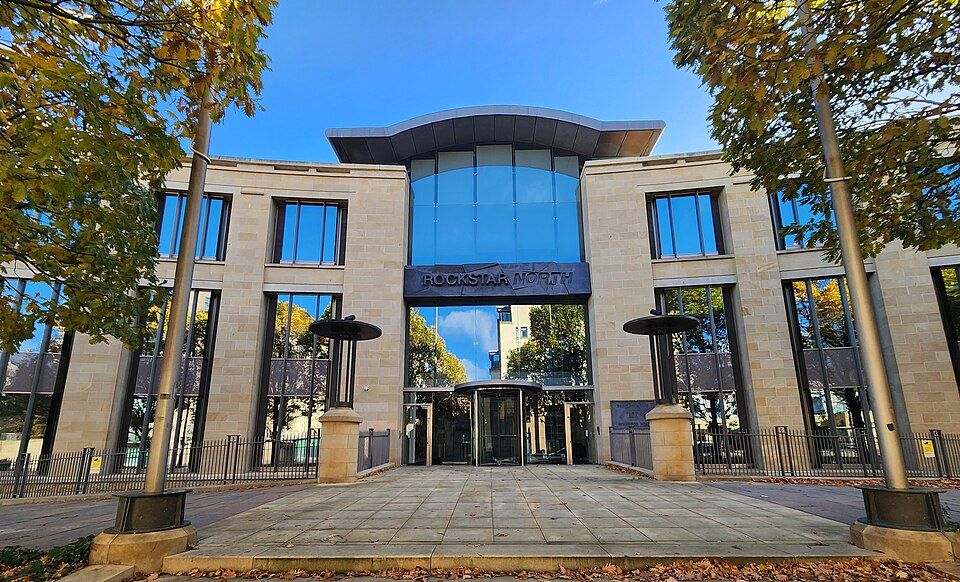
Ebenezer opened at No. 1 with $19 million as The Cat in the Hat and Godzilla Minus Zero followed. Box office for November 13 to 15, 2026.
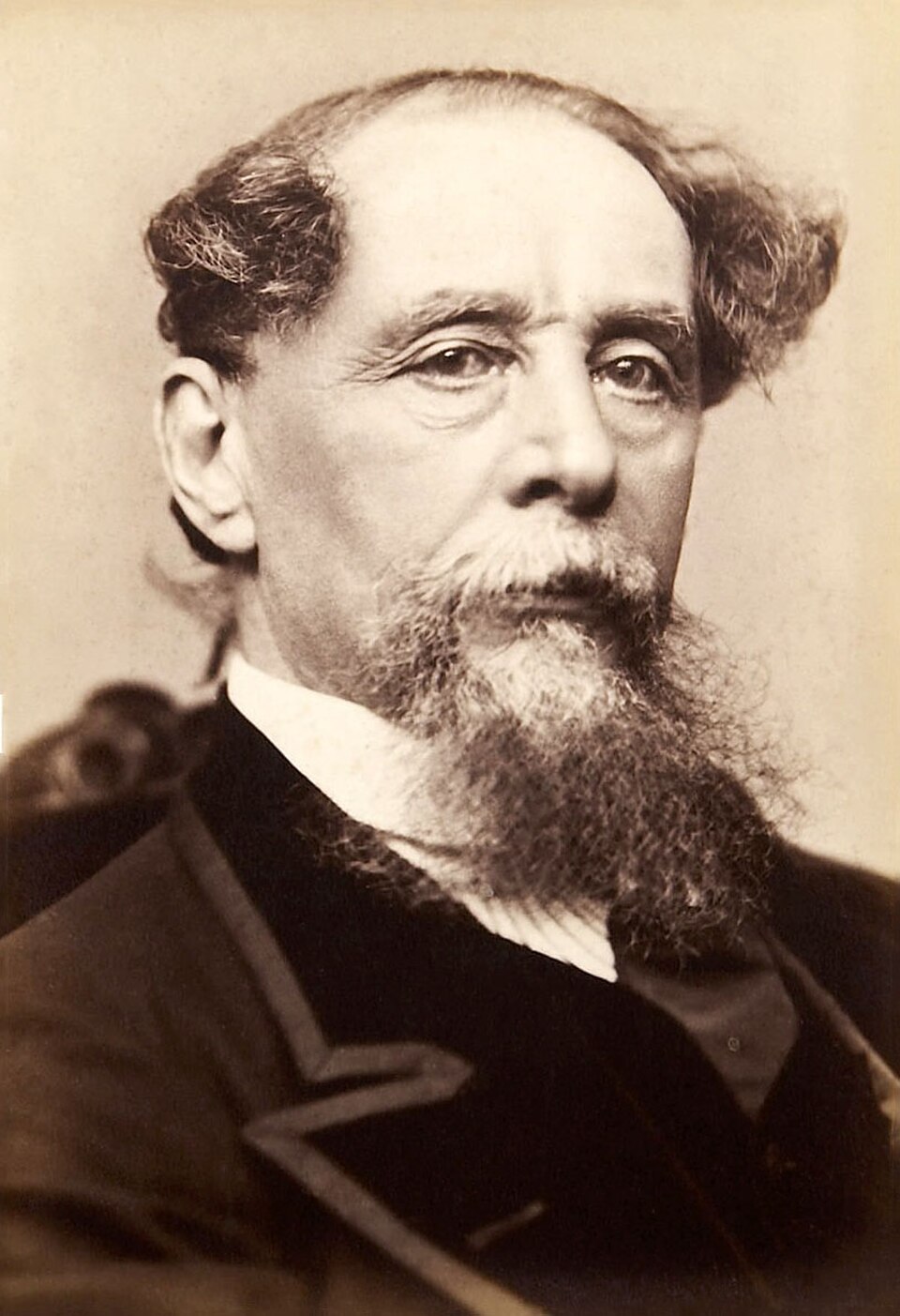
How a gap between Grandstand and Juke Box Jury led to Doctor Who, and what the first episode of Doctor Who, An Unearthly Child, drew in viewers.
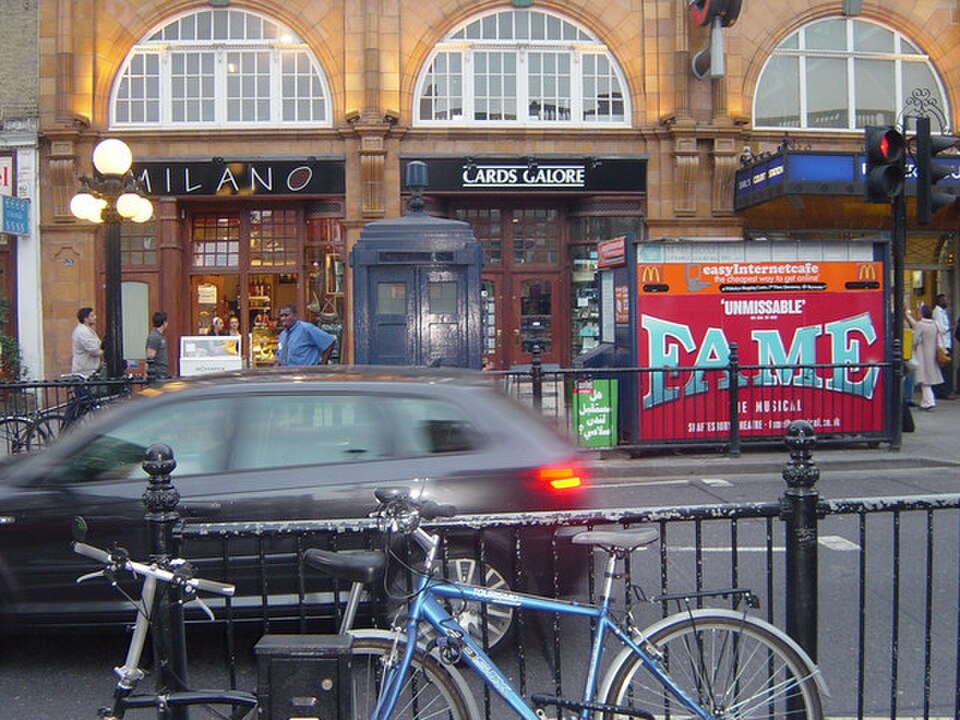
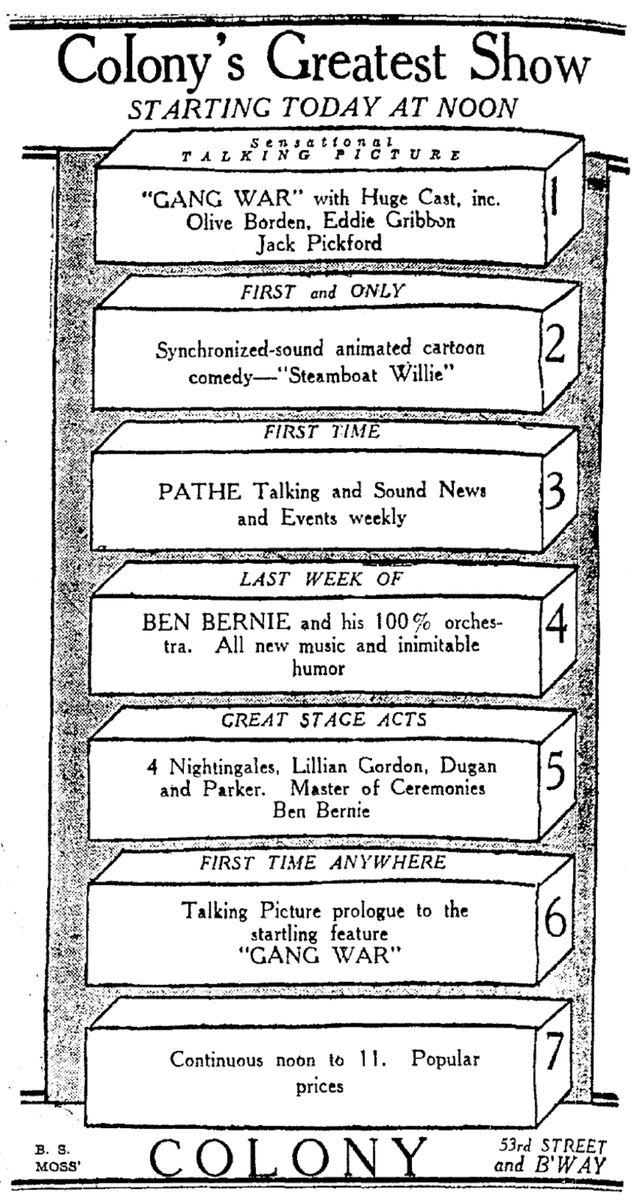
Steamboat Willie opened at New York's Colony Theater on November 18, 1928. How the sound cartoon was made, what played with it, and what its 2024 public domain entry changed.
The Game of Thrones pieces read best in this order: the great houses and their mottoes, one character followed scene by scene, four leaders side by side, and the characters who change across eight seasons.
The rest of the section is television history and a 2026 film: a sitcom at 75, and a film that won over critics but stalled at the box office.
Harry Potter and the Sorcerer's Stone opened in US theaters on November 16, 2001. How Warner Bros. made it, who was cast, where it was filmed, the record weekend, and a trivia round.
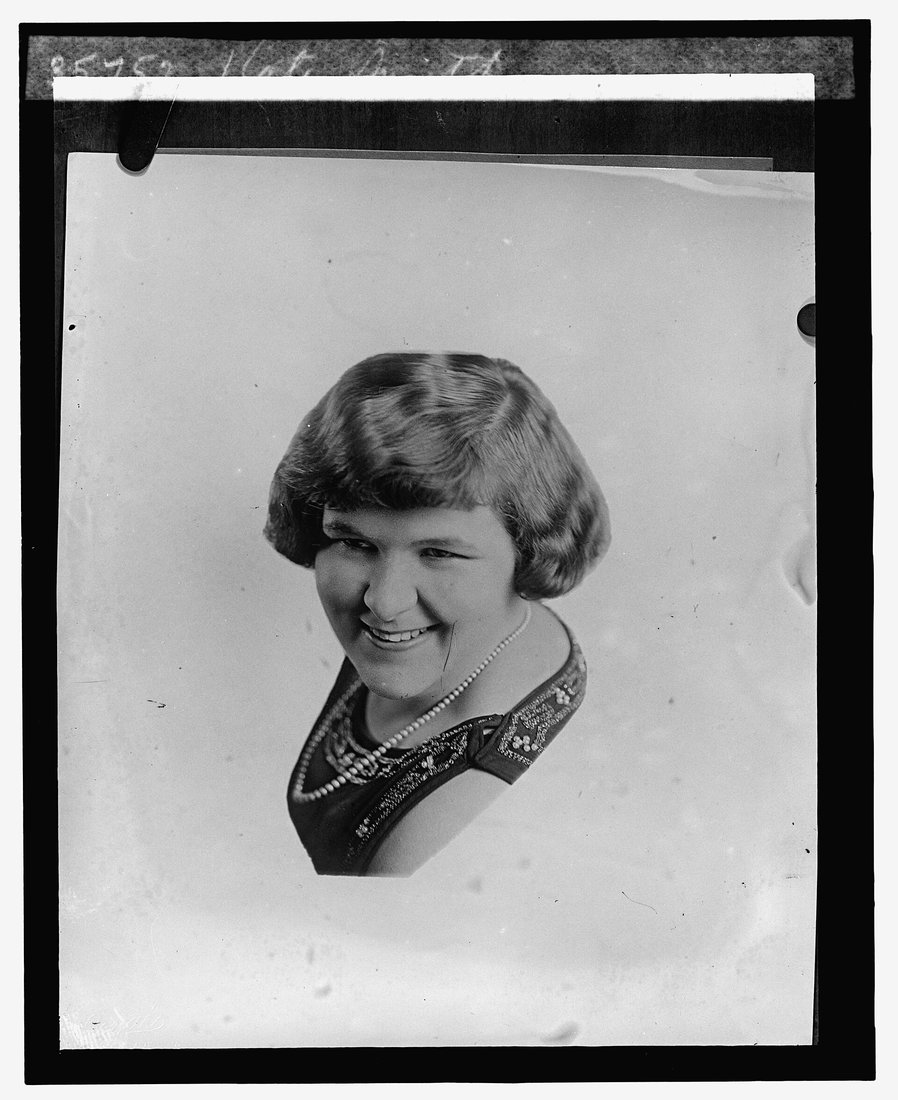
Kate Smith introduced Irving Berlin's God Bless America on CBS radio on the eve of Armistice Day, 1938. How a cut 1918 song was rewritten, where its royalties go, and its long life since.
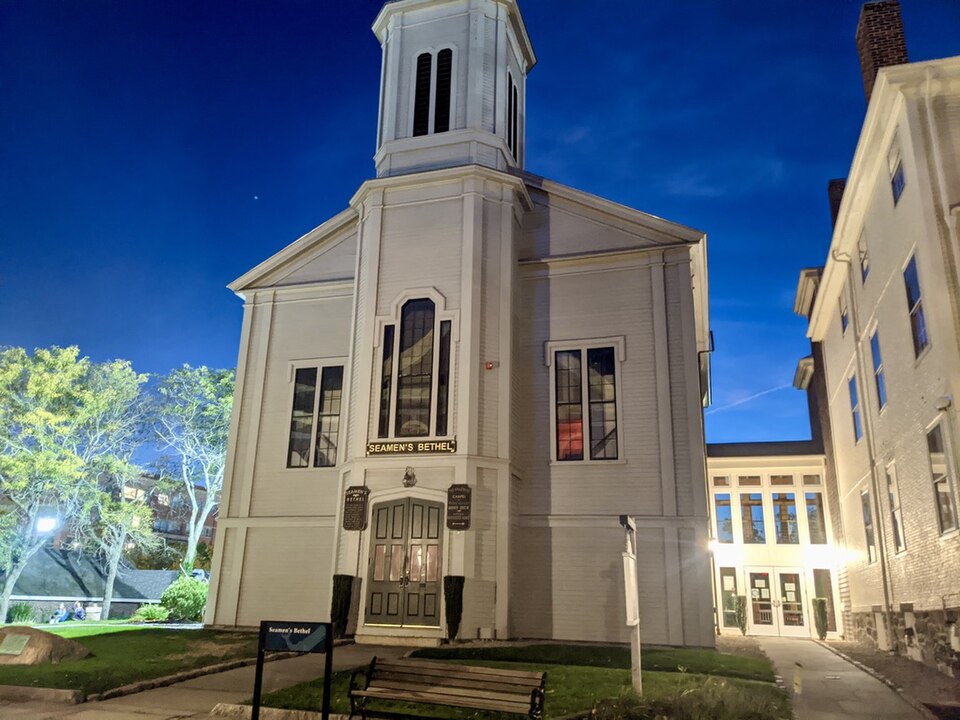
The American edition of Moby-Dick was published on November 14, 1851. How it differed from the London edition, its slow sales, the real events behind it, and trivia.
Rolling Stone's first issue carries the cover date November 9, 1967. What was in it, how Jann Wenner paid for it, and a five question quiz.

Fantasia premiered at the Broadway Theatre on November 13, 1940. How Fantasound worked, why the film lost money at first, and trivia.
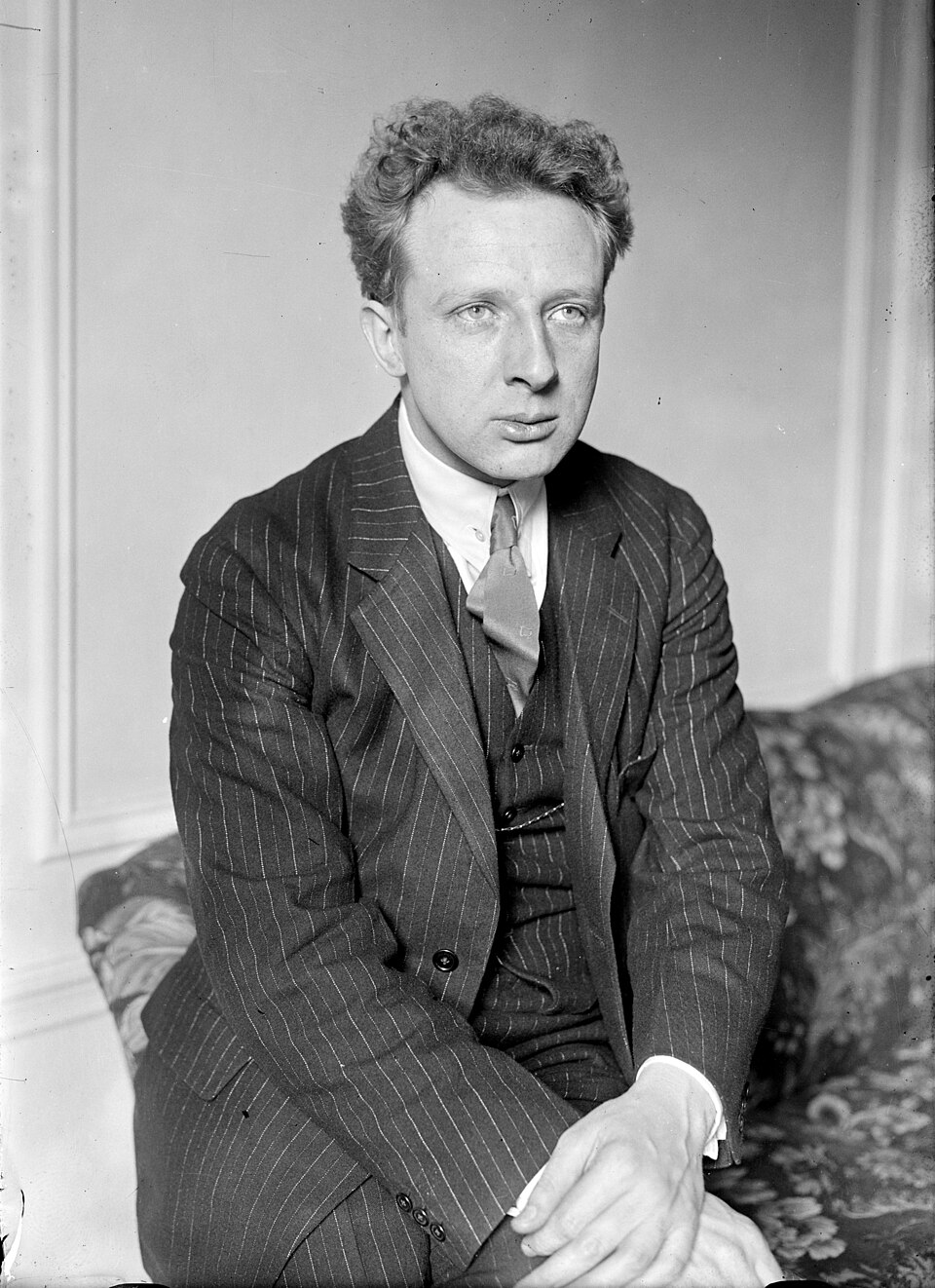
Sesame Street premiered on November 10, 1969. How early testing brought the Muppets into the street scenes, how the show grew, and trivia.
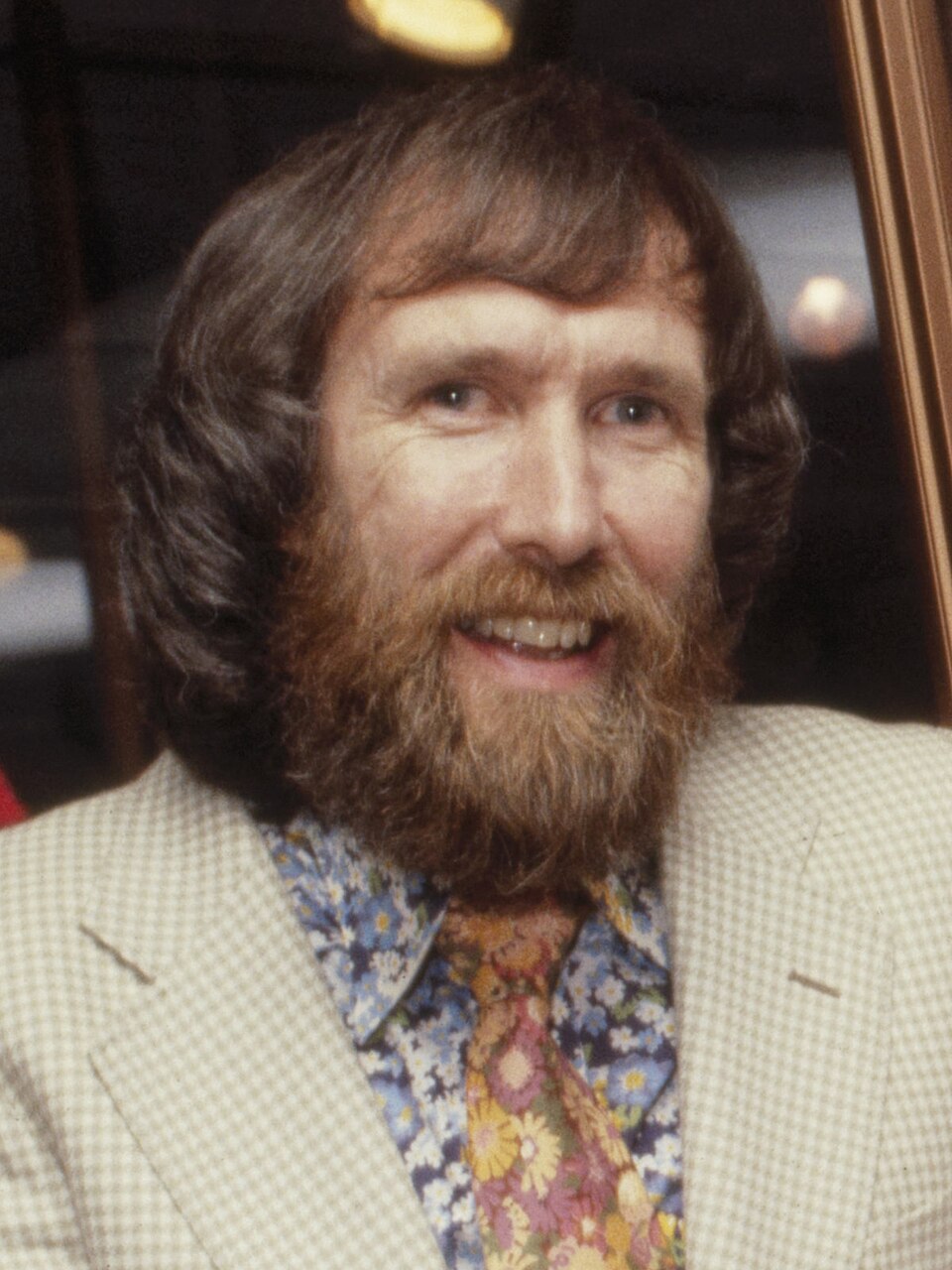
Netflix's Top 10 for October 26 to November 1, 2026: Lupin Part 4 and the Matthew Perry documentary series lead, with a note on views versus hours and a trivia round.
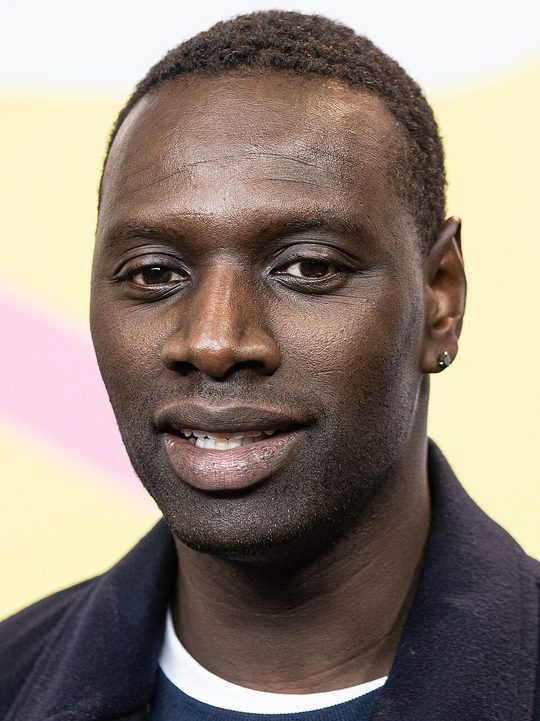
Parker Brothers began marketing Monopoly on November 5, 1935. How Lizzie Magie’s 1904 Landlord’s Game became Charles Darrow’s best seller, plus trivia.
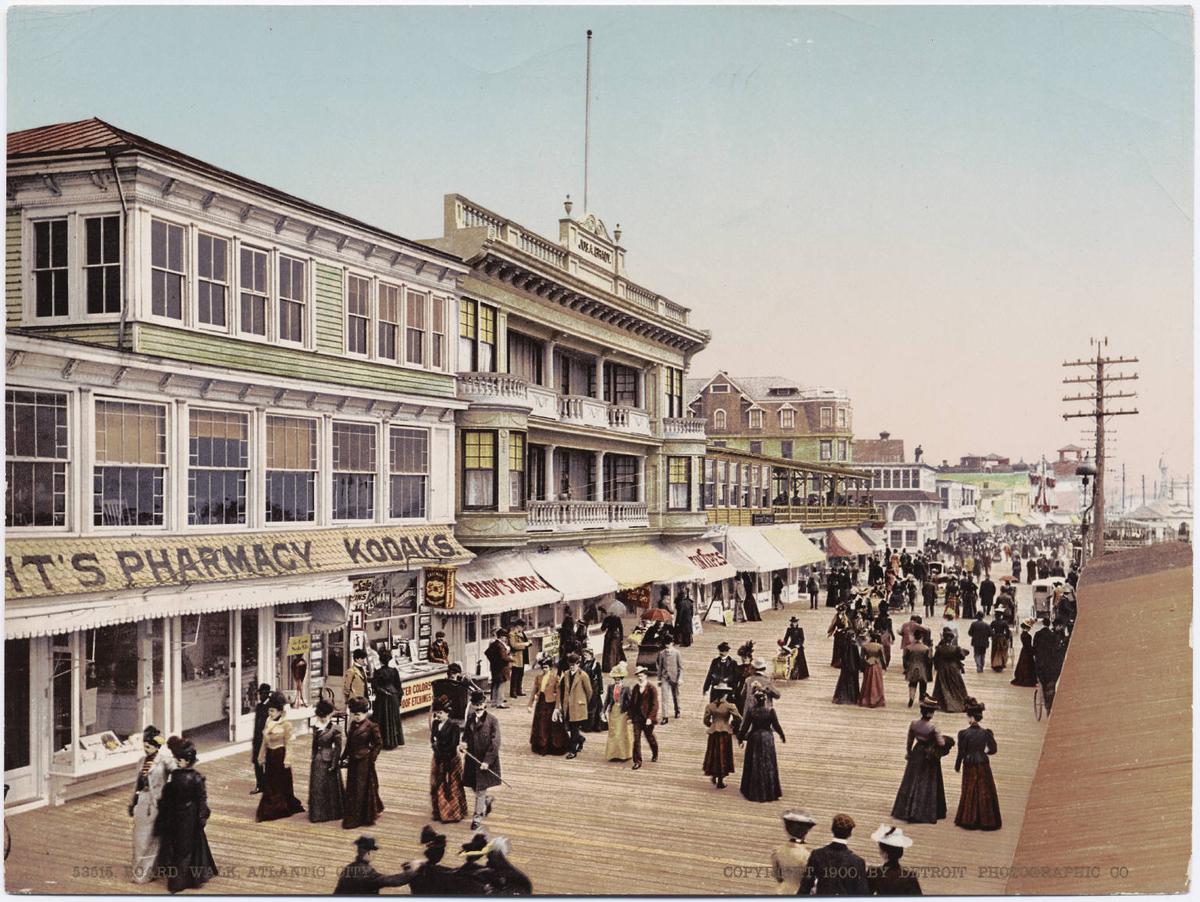
The Elizabeth Holmes documentary You Can See Everything edged Clayface for No. 1 at the US and Canadian box office on October 30 to November 1, 2026, plus a trivia round.
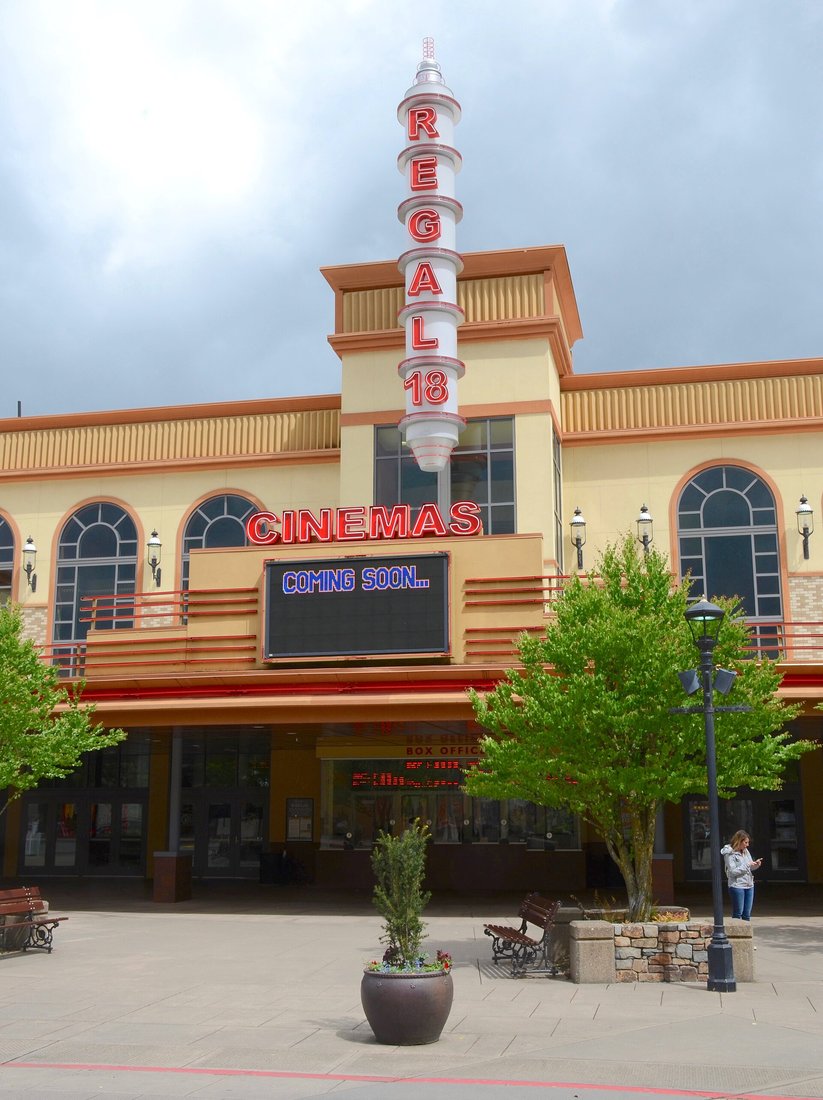
Carrie opened on 3 November 1976. How Stephen King's first novel became a Brian De Palma film, what it earned, its Oscar nominations, and a trivia round.
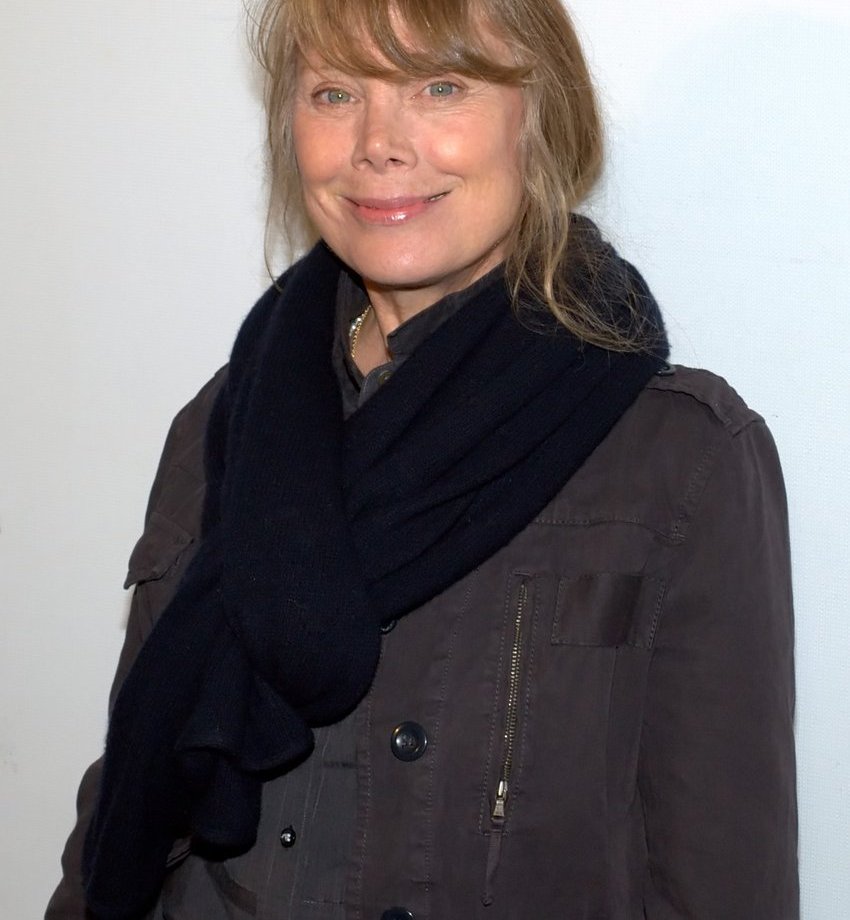
Toho’s Gojira opened across Japan on November 3, 1954. How a fallout disaster, a rubber suit and a double bass made Godzilla.

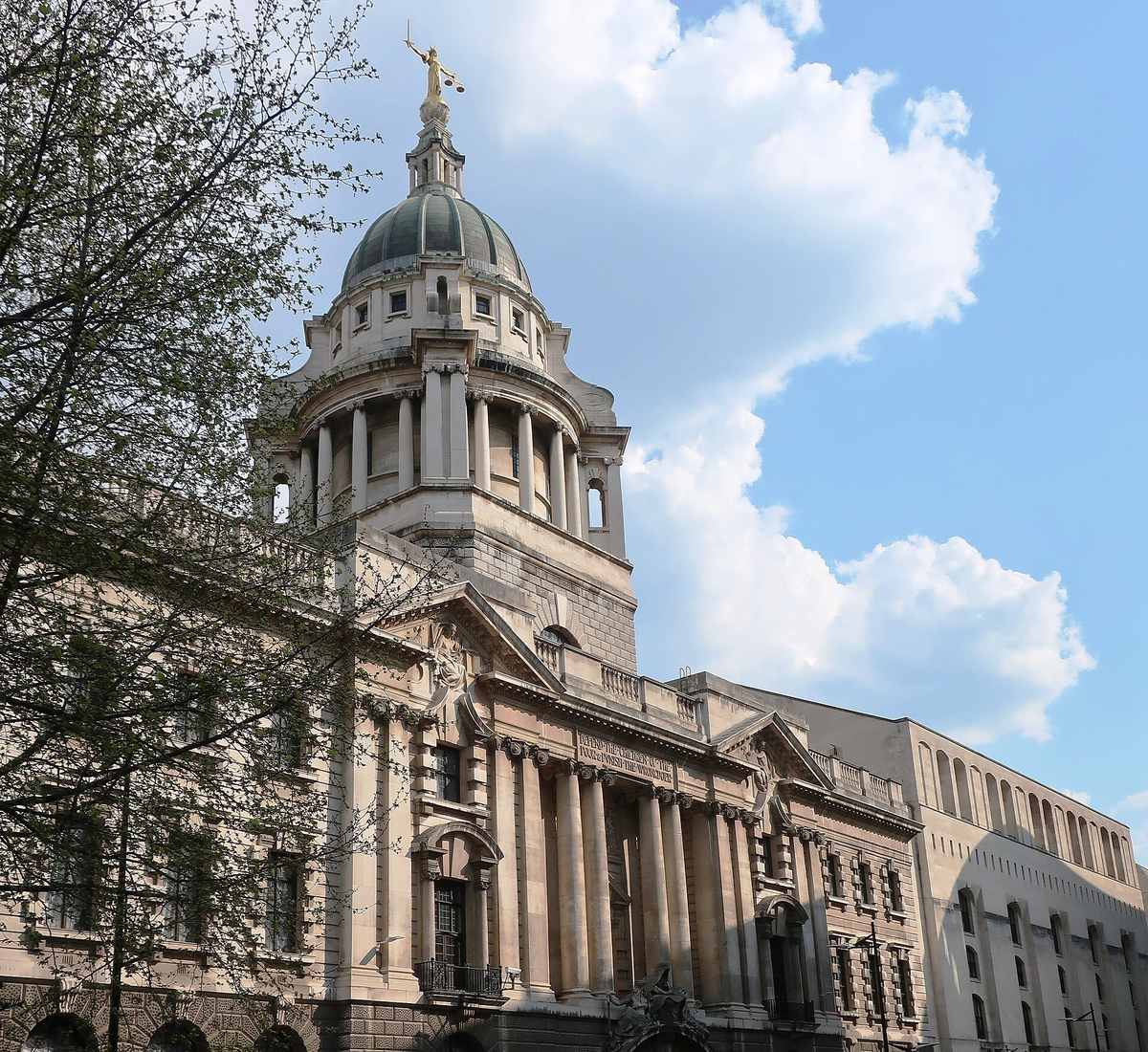
On November 2, 1960 an Old Bailey jury found Penguin Books not guilty over Lady Chatterley's Lover, the first test of the Obscene Publications Act 1959.
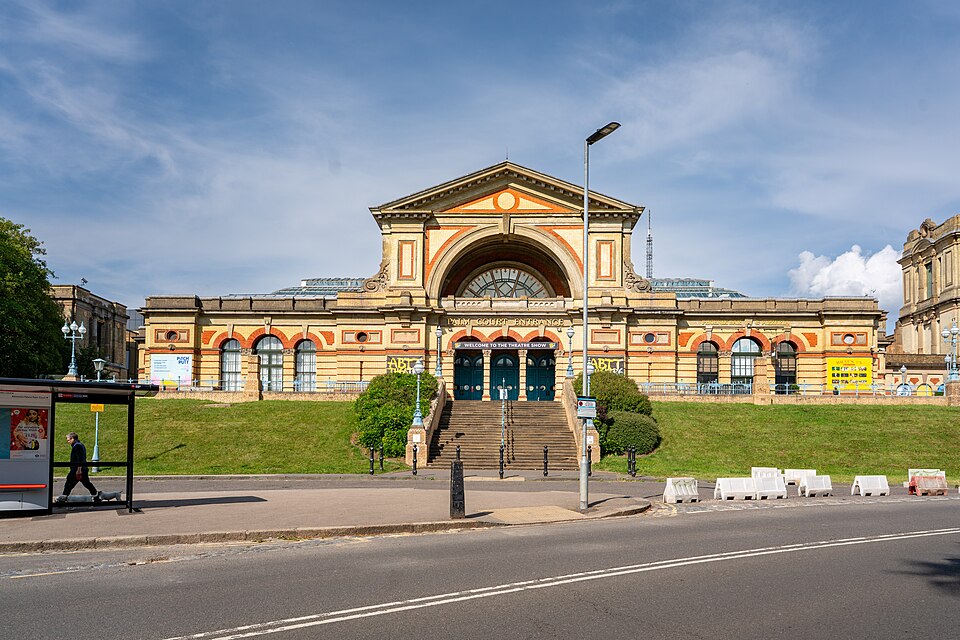
On November 2, 1936 the BBC launched its television service from Alexandra Palace. Read how two rival systems opened it, what aired and the trivia.
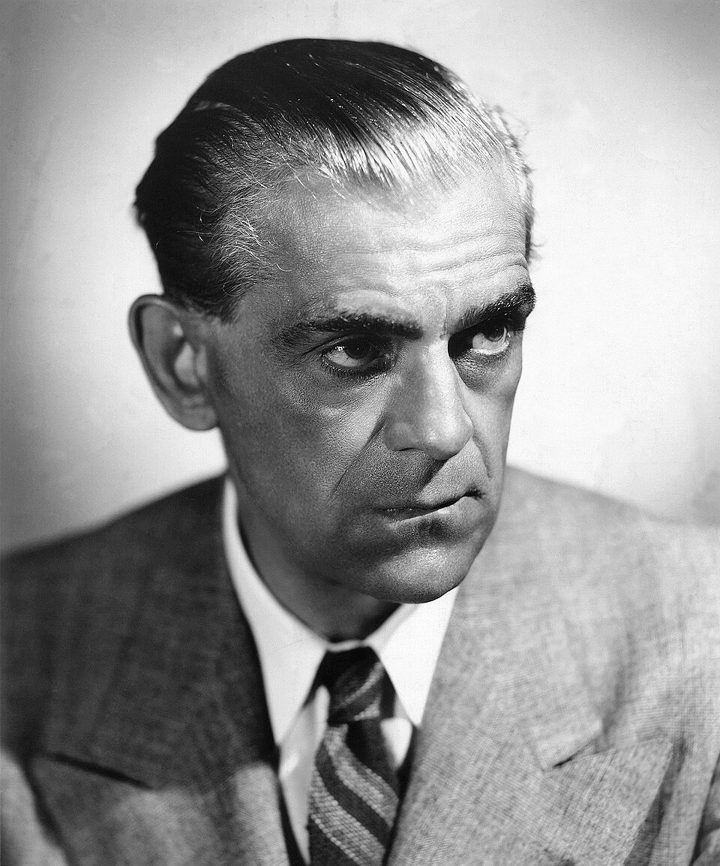
How a Boris Karloff impression became the Hot 100 No. 1 of Halloween week 1962, how it was recorded, and what the song still earns, plus a trivia round.
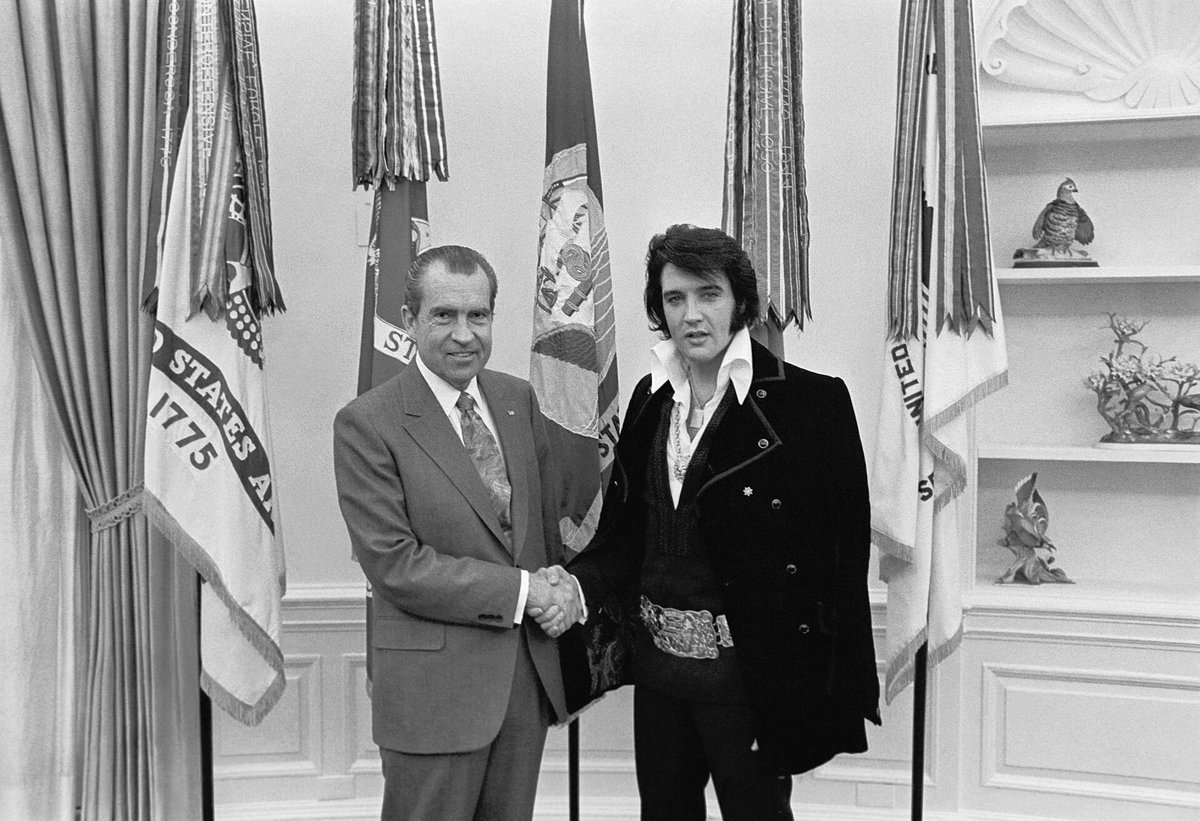
How a Mark James song cut before dawn in Memphis became Elvis Presley's last No. 1 on the Billboard Hot 100, for the week of November 1, 1969, plus a trivia round.
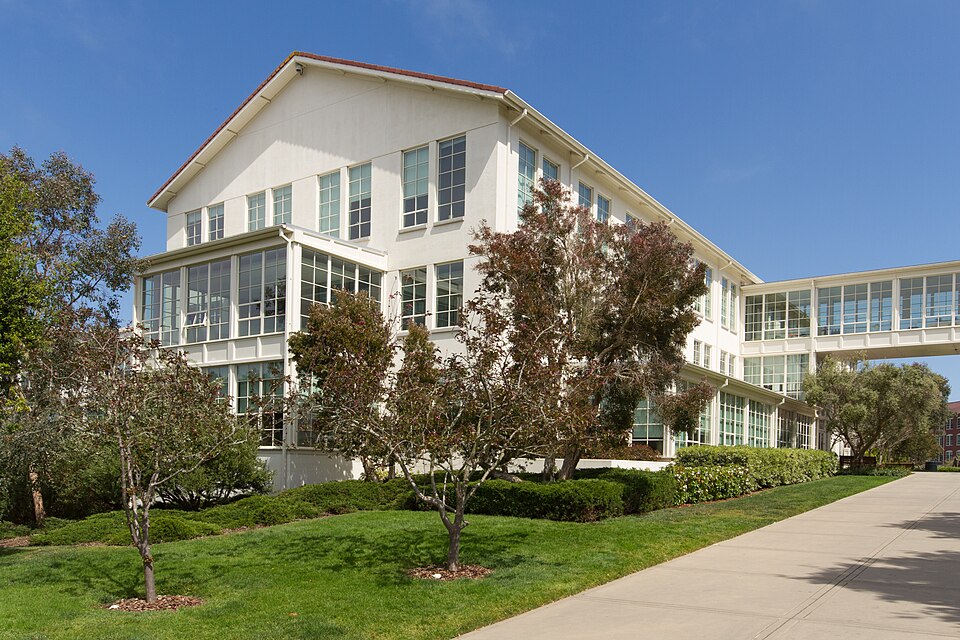
Disney announced its $4.05 billion Lucasfilm deal on October 30, 2012. Read what the deal covered, how it closed and what changed since, plus trivia.
The Nightmare Before Christmas opened wide on October 29, 1993. Read how it was made, its box office and its place in the National Film Registry, plus trivia.
Dictionary.com chose maxxing as its 2026 Word of the Year. What it means, where it came from, the shortlist, past winners and trivia.
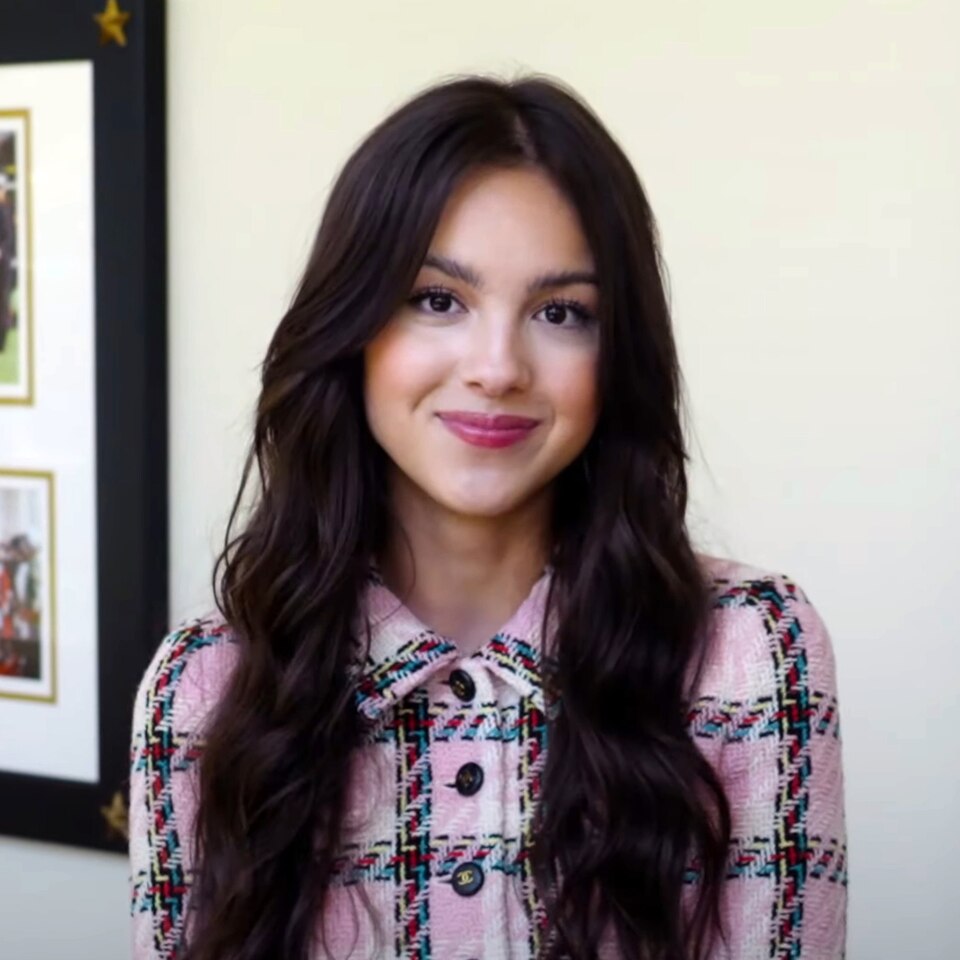
Billboard reported Olivia Rodrigo back at No. 1 on the Billboard 200 dated October 31, 2026, with Zach Bryan debuting at No. 2, plus Hot 100 notes and trivia.
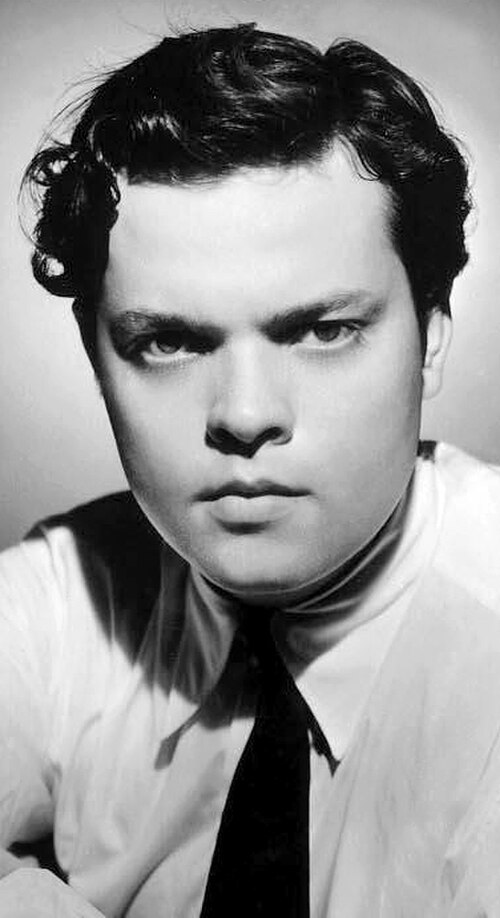
Welles's Halloween radio play aired on October 30, 1938. How the script came together in a week, what CBS changed, and what the evidence says about the panic.
Clayface opened at No. 1 with an estimated $24 million as Wildwood and Wicker debuted. Box office for the weekend of October 23 to 25, 2026.

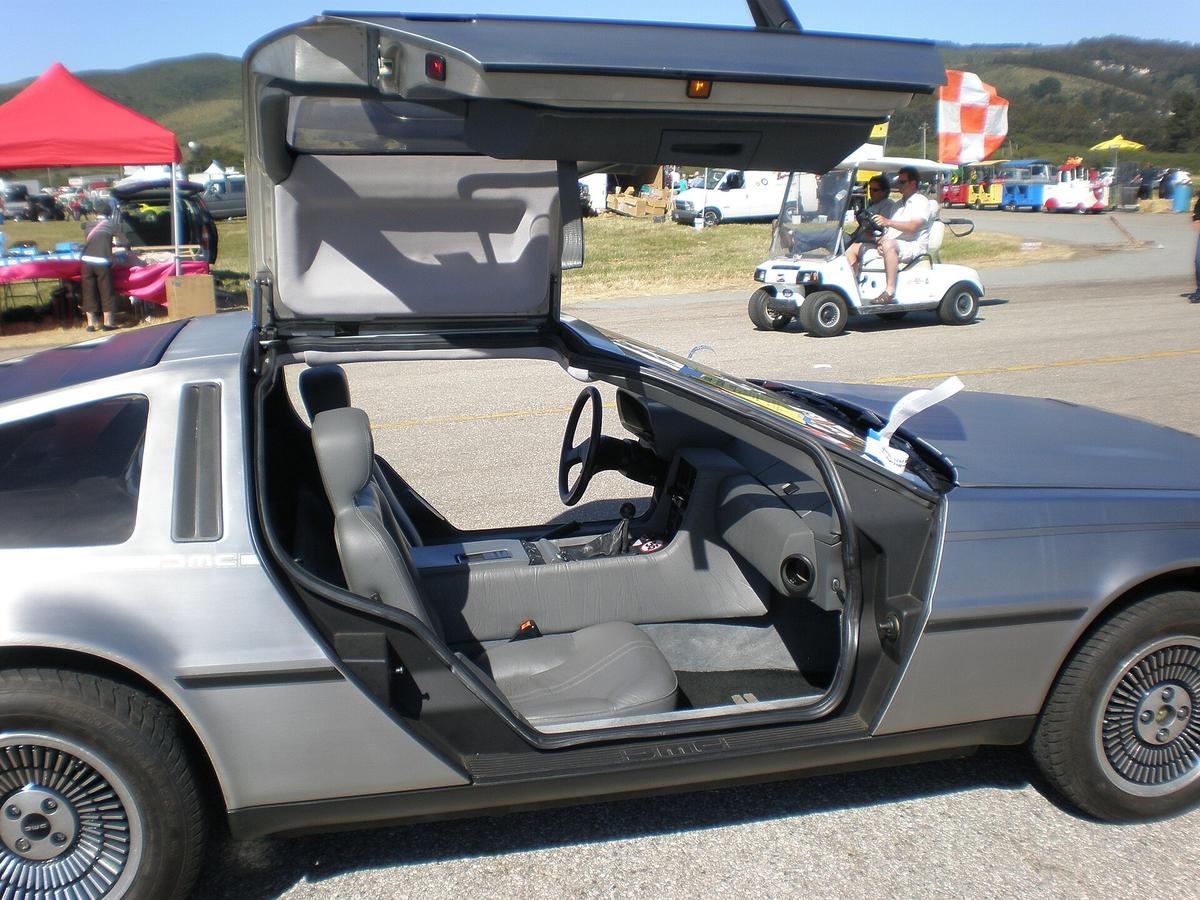
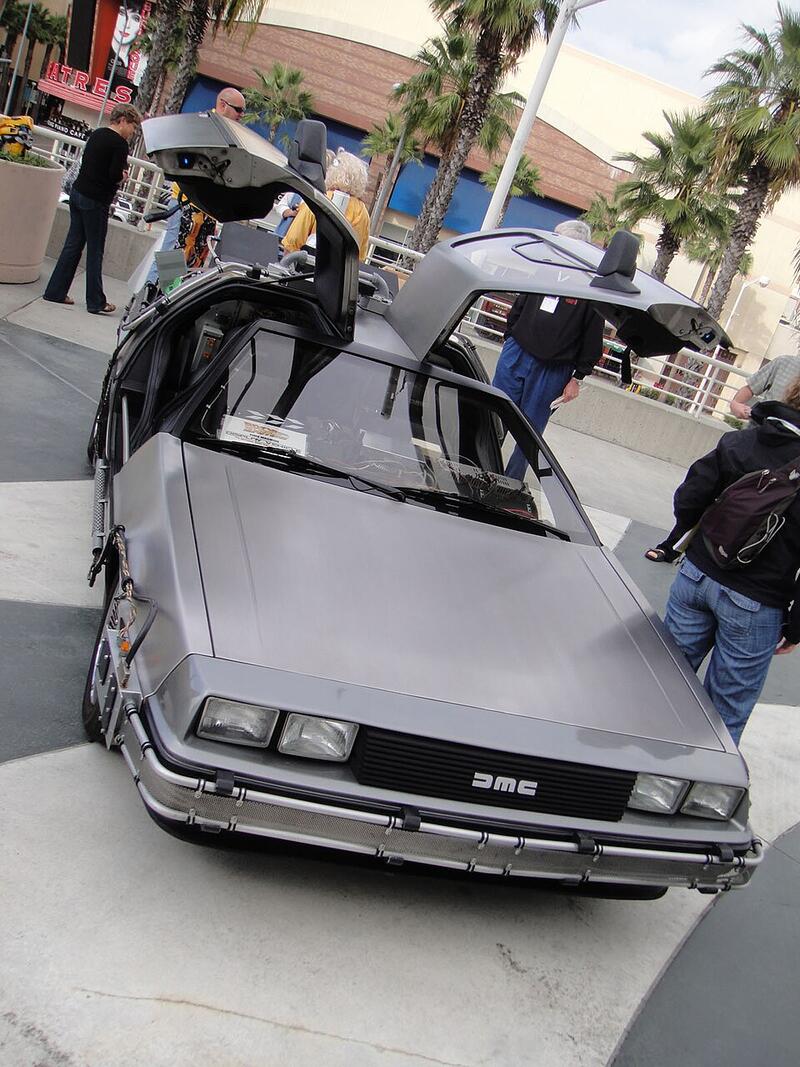
Doc Brown tests his DeLorean at Twin Pines Mall in the early hours of October 26, 1985. The real mall, the car and the dates, plus trivia.
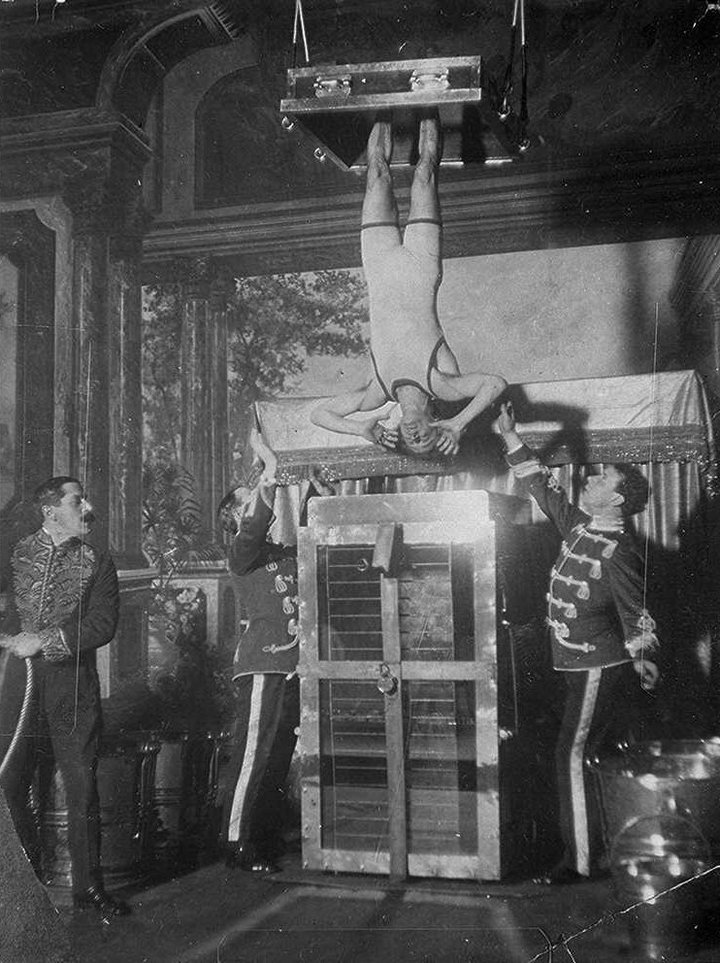
Harry Houdini died in Detroit on Halloween 1926. Read about his last week, the Water Torture Cell and the séances Bess held for ten years, plus trivia.
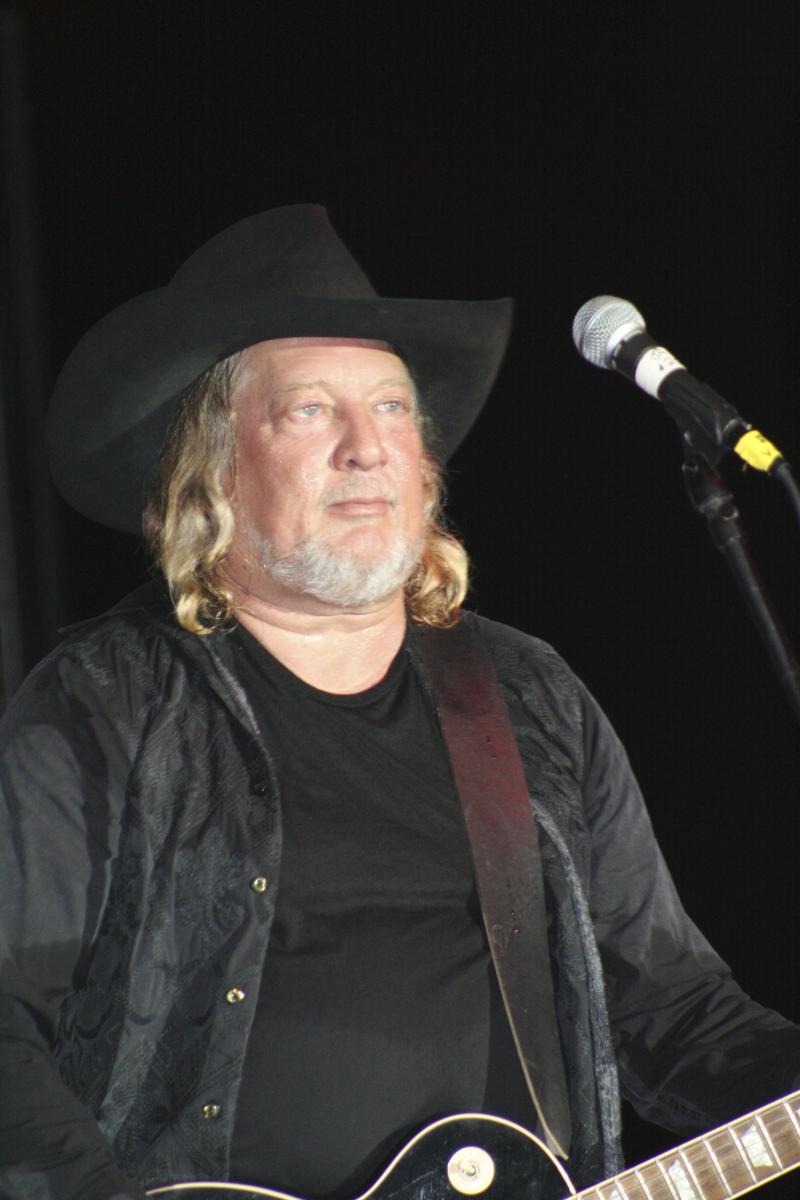
Country Music Hall of Fame member John Anderson has died at 71. A look back at his New Traditionalist hits, his 1990s comeback and his later records, plus a trivia round.
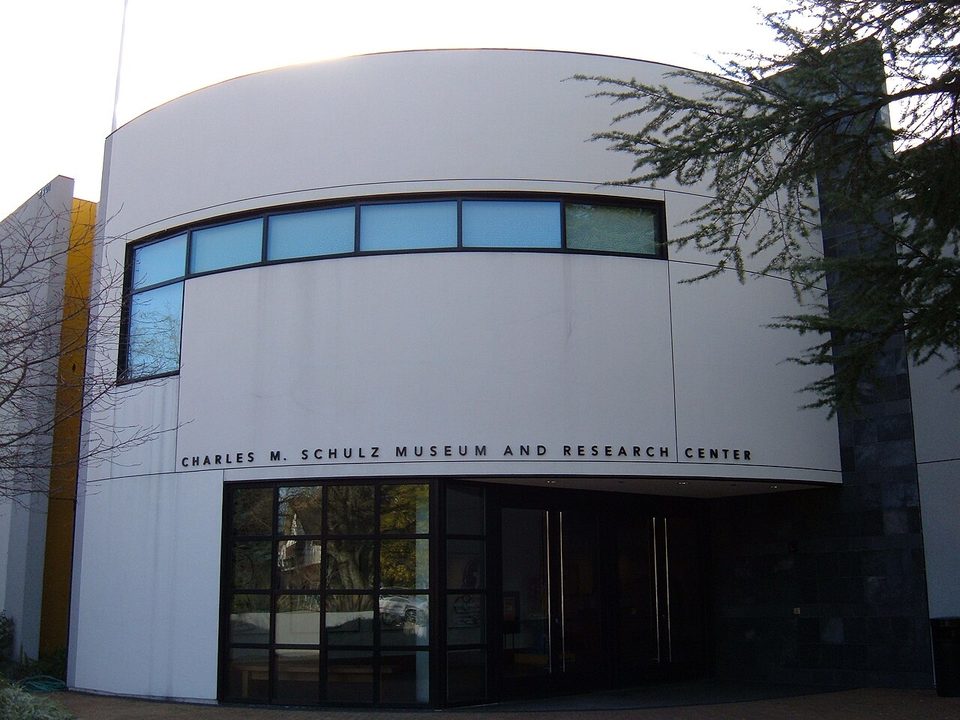
The Peanuts Halloween special turned 60 on October 27, 2026. How it was made, where the rock came from, how it rated, where it airs now, and a trivia round.
Back to the Future Part II sends Marty McFly to October 21, 2015, a date the media named Back to the Future Day when it arrived. What the 1989 film imagined, what happened that day, and a trivia round.
Street Fighter opened at No. 1 for October 16 to 18, 2026, with $30.8 million. Its cast, how the opening compares, the 1994 and 2009 films, the games behind it, and a trivia round.
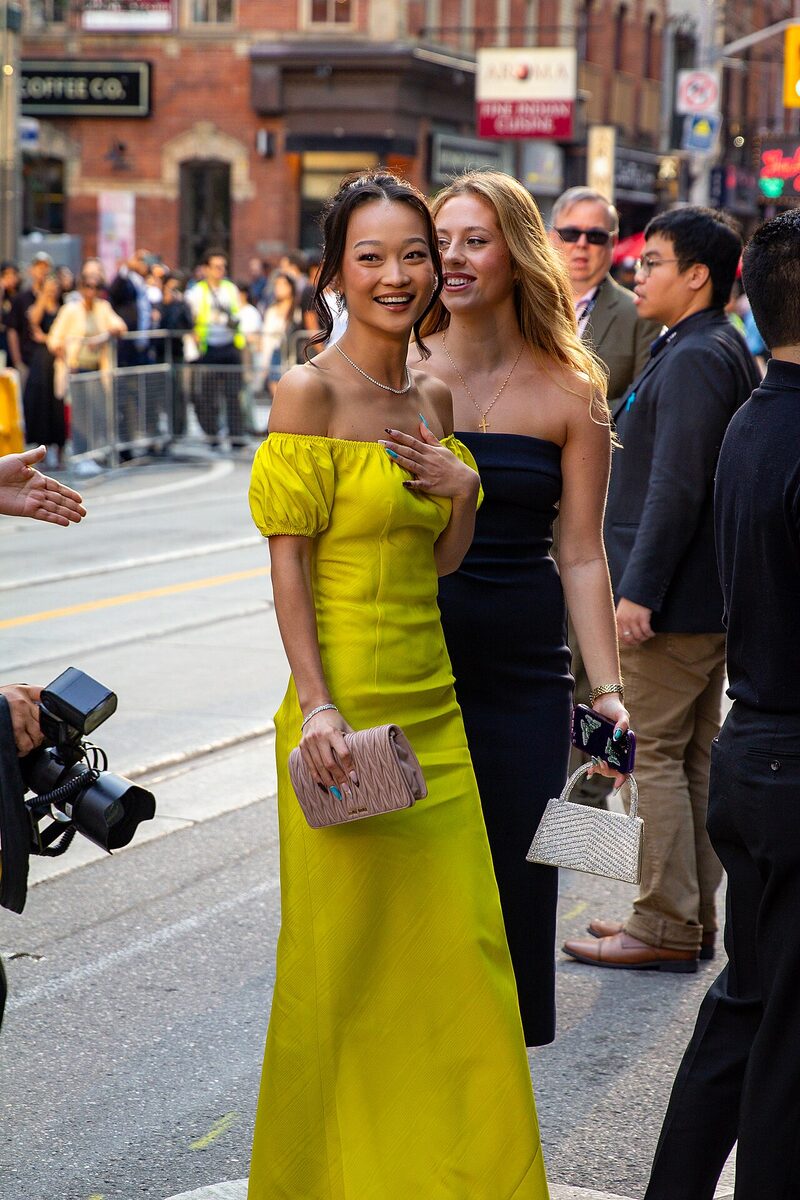
How John Carpenter's Halloween (1978) was made for about $300,000 to $325,000, with South Pasadena as Illinois, a two dollar mask, a three day score, Jamie Lee Curtis's debut, its box office and a trivia round.
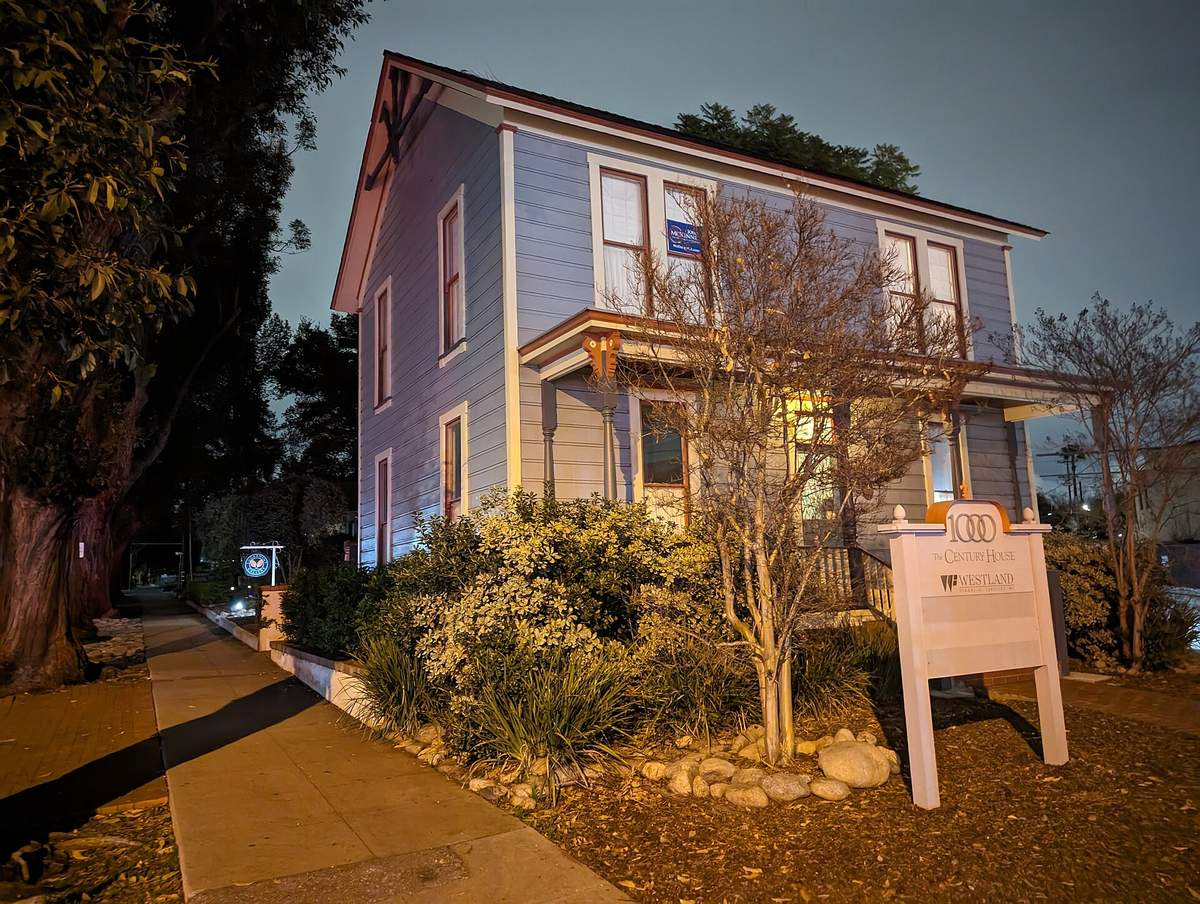
I Love Lucy premiered on CBS on October 15, 1951. Three cameras, a live audience, owning the film, a birth episode seen by 44 million, the 2026 Legacy Award, and a trivia round.
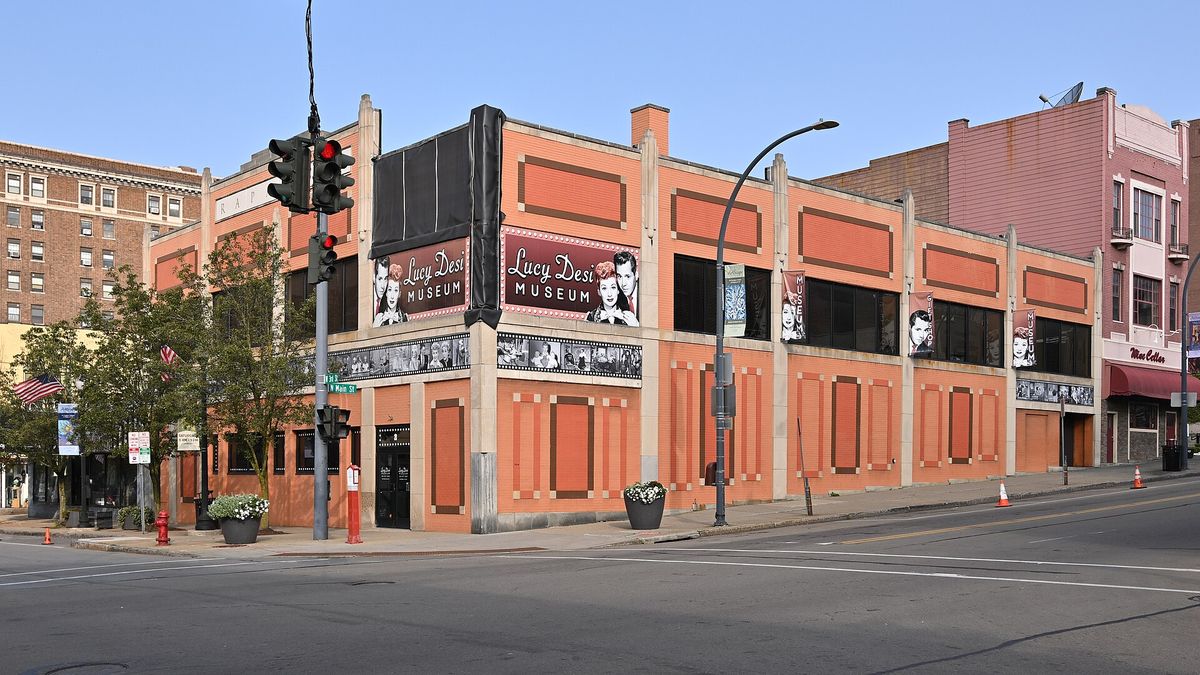
Winter Is Coming, Hear Me Roar, Fire and Blood: the house words of Westeros set against eight characters, with every scene cited by season and episode.

Raves, an A CinemaScore and an Annecy ovation, then what TheWrap counts among the lowest DreamWorks Animation openings. The figures, the rules of thumb and what is known about the marketing.
Jaime, Sansa, Arya, Daenerys and Theon all change across eight seasons. Why a character quiz has to pick one version of each, and what that choice leaves out.
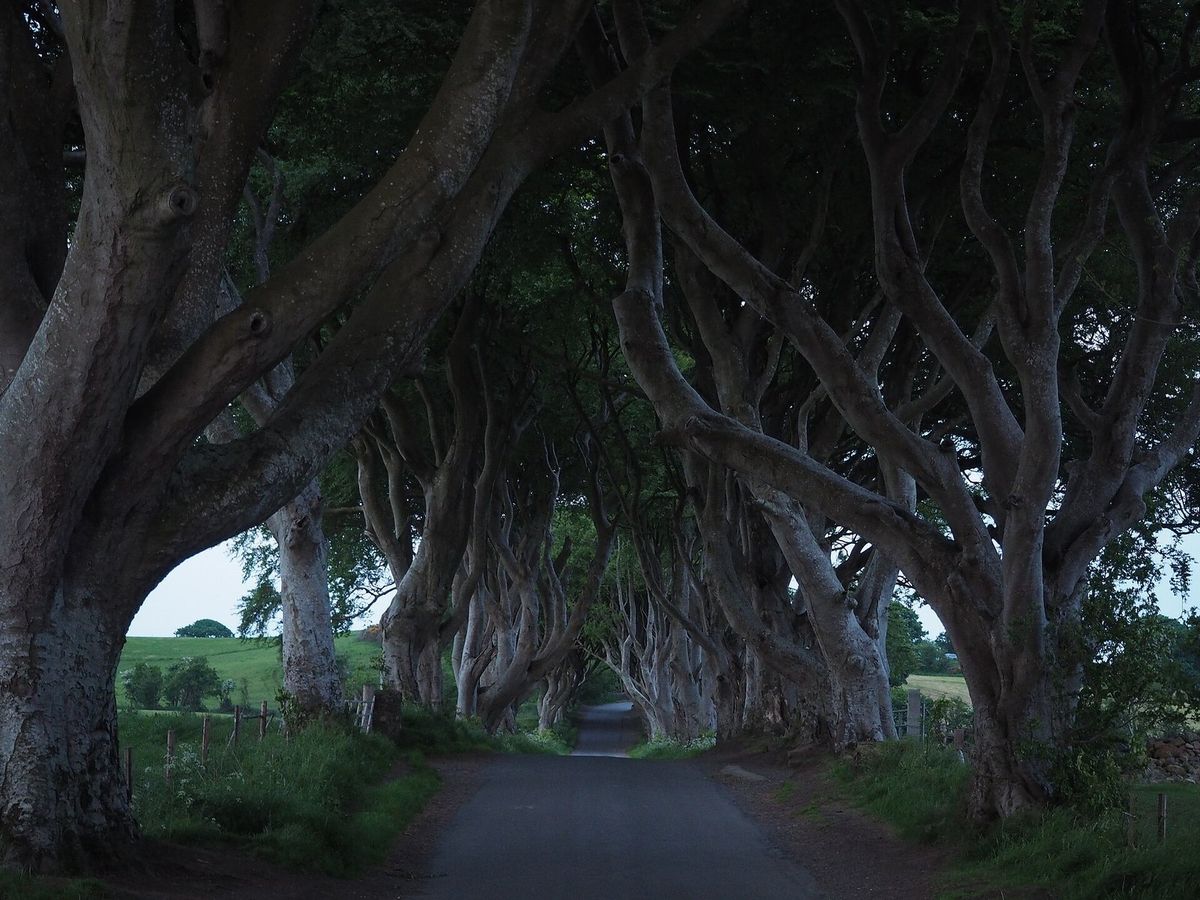
Tyrion Lannister scene by scene: the slap, Blackwater, the trial, the privy and Meereen, checked against the episodes, and what each one shows about him.
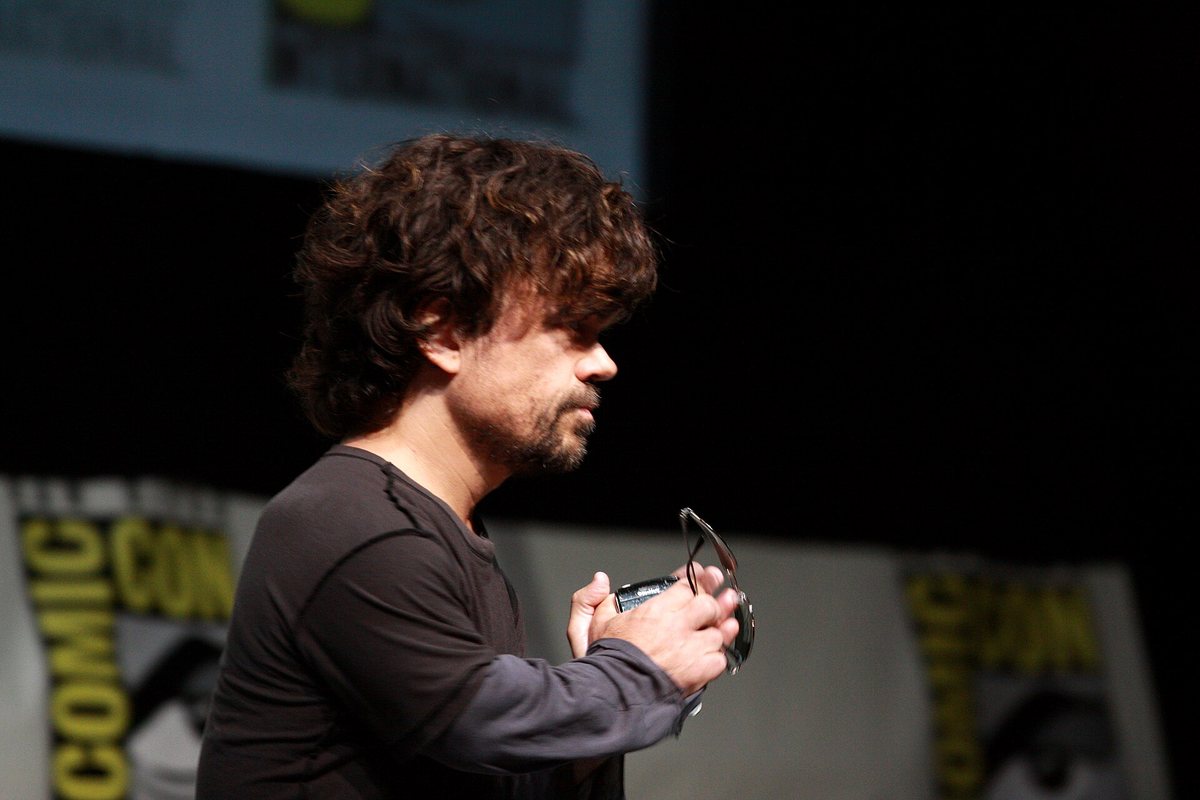
Jon Snow, Daenerys, Tyrion and Cersei lead in four different ways. Here is where each style breaks, scene by scene, with the research that fits.