Only Half of Social Science Findings Held Up in a Giant Retest
A Nature replication project retested 274 claims from 164 social science papers. About half held up and effects shrank sharply. The numbers, the caveats and a trivia round.

Section
Personality, love languages and how people differ, with a close look at what the popular frameworks measure, where the evidence backs them and where it does not.
What the 1985 hot hand paper found, how a 2018 Econometrica paper says a bias in its method hid a different result, and what later game data analyses reported.
What Festinger and Carlsmith's 1959 $1 and $20 experiment reported, what a 2024 multilab replication of the induced-compliance paradigm found, and how a reanalysis reads it.

What the 2021 PNAS meta-analysis of nudging reported, how a 2022 correction changed its figures, and what a letter adjusting for publication bias and the authors' reply say.

The 1920 Little Albert study is a well-known example of conditioned fear. Here is what the paper says, and what researchers dispute about the child.

What the 1996 old-age priming and walking speed experiment claimed, what a 2012 retest and a 2013 paper found, and what a 2016 meta-analysis of word priming reports.

For personality, read these in order, from where the four letters came from to whether personality changes over a lifetime.
These help with reading a personality test result.
On love languages, the guide comes first.
A Nature replication project retested 274 claims from 164 social science papers. About half held up and effects shrank sharply. The numbers, the caveats and a trivia round.
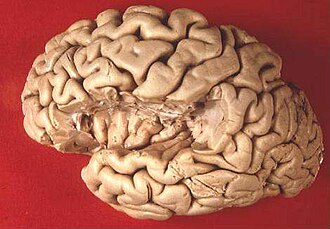
Where the left-brain and right-brain idea came from, what a 2013 PLOS ONE analysis of 1011 resting-state scans found, and what the opened sources say about its scientific standing.
What the 1993 Mozart effect report claimed, the later failures to confirm the spatial result, a 2023 meta-analysis of the epilepsy claim, and what the sources say about its scientific standing.
What Bluma Zeigarnik's 1927 study of interrupted tasks found, how the famous waiter story is told, and what decades of replication say holds up.
What a 2019 Nature experiment, 2018 and 2023 meta-analyses and a 2023 commentary report about growth mindset interventions and school grades.

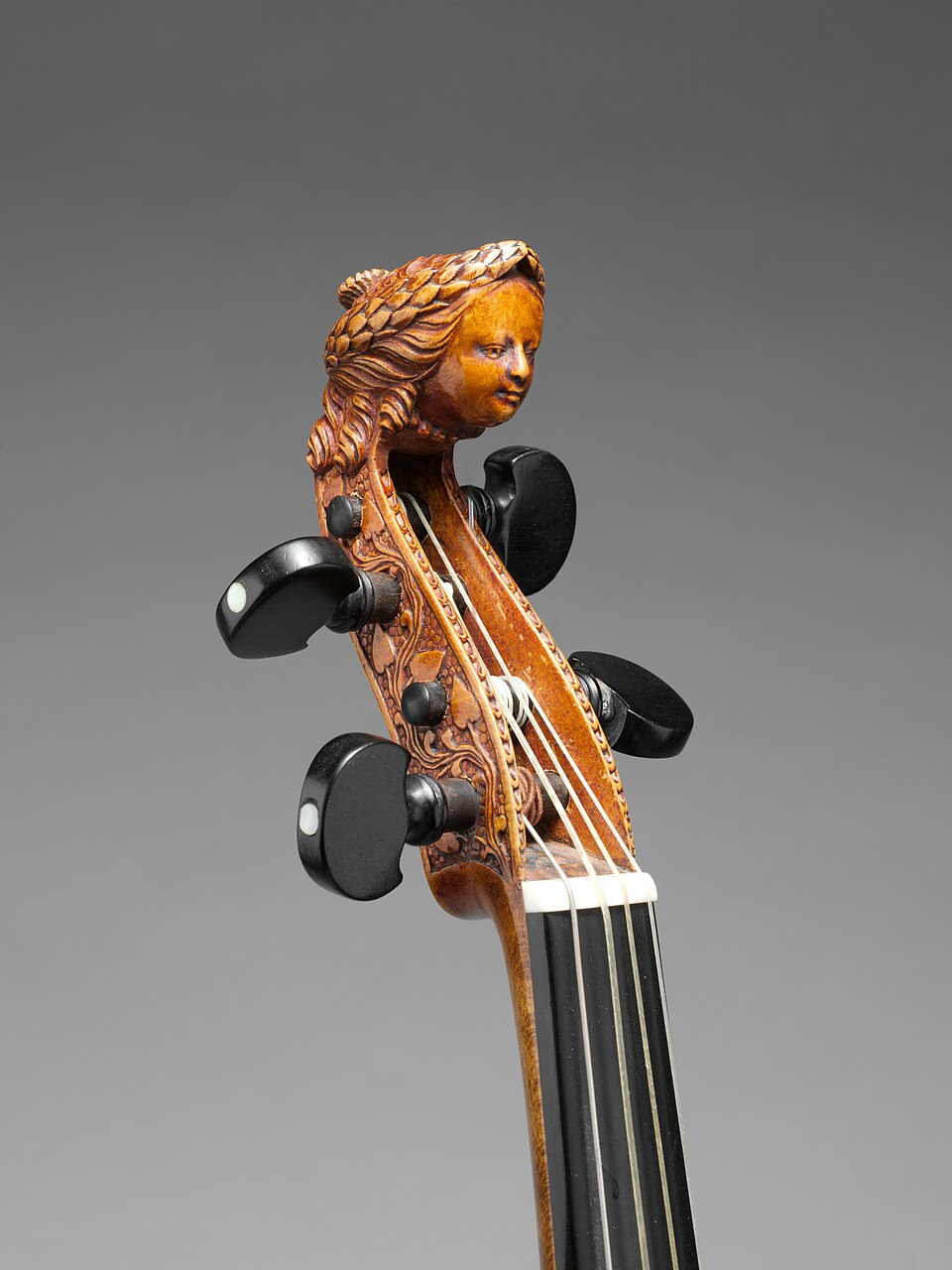
A 2014 meta-analysis, a 2019 replication of the 1993 violin study, a 2020 review and Ericsson's 2021 response to Macnamara and Hambrick, read from the papers.
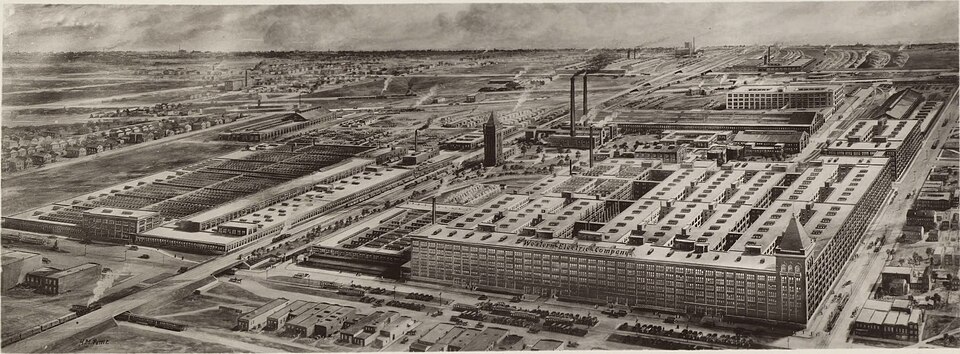
A 2009 re-analysis of the recovered 1920s lighting data, a 2014 systematic review of 19 evaluations and a 2007 randomized trial, read from the papers.
The bystander effect shows up in lab data, but the 38 witnesses story behind it is not supported by the archives. What a 2011 meta-analysis and 2020 camera footage found.

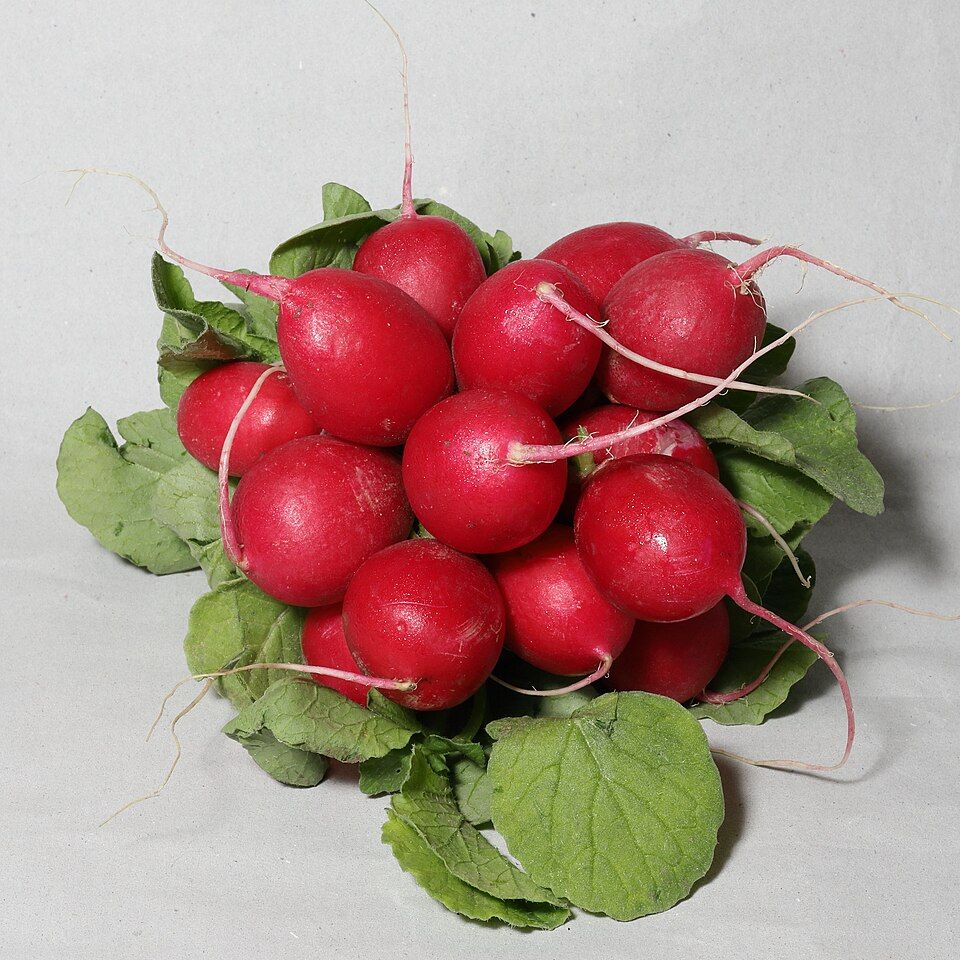
What the 1998 radish experiment reported, what a 2010 meta-analysis found, and how a 23-lab and a 36-lab replication turned out.
What the 1988 pen experiment reported, how a 17-lab replication and a 3,878-person test turned out, and what a 2019 meta-analysis says about the effect size.
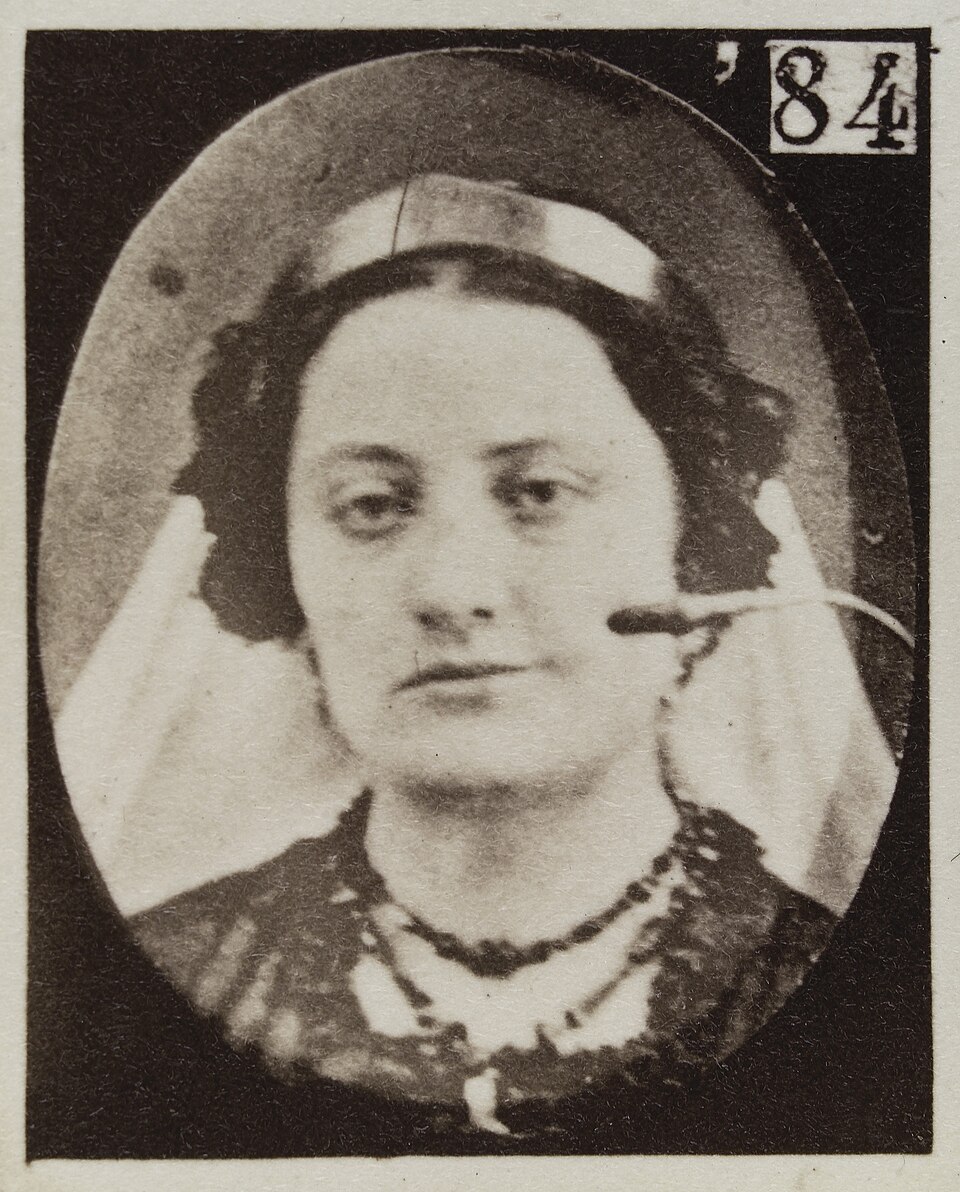
What the trick-or-treat candy experiments found about anonymity and masks, and how a 2022 pair of observational field tests and a meta-analysis complicate them.
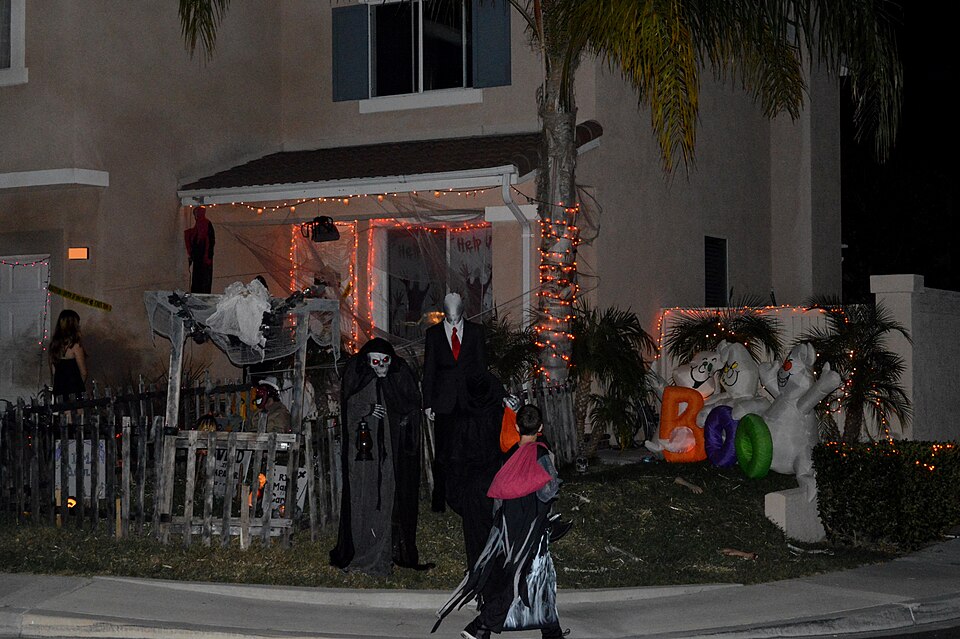
What the 2010 power posing paper claimed, what a replication and a 247-man study found, and what the original first author now says about the effect.
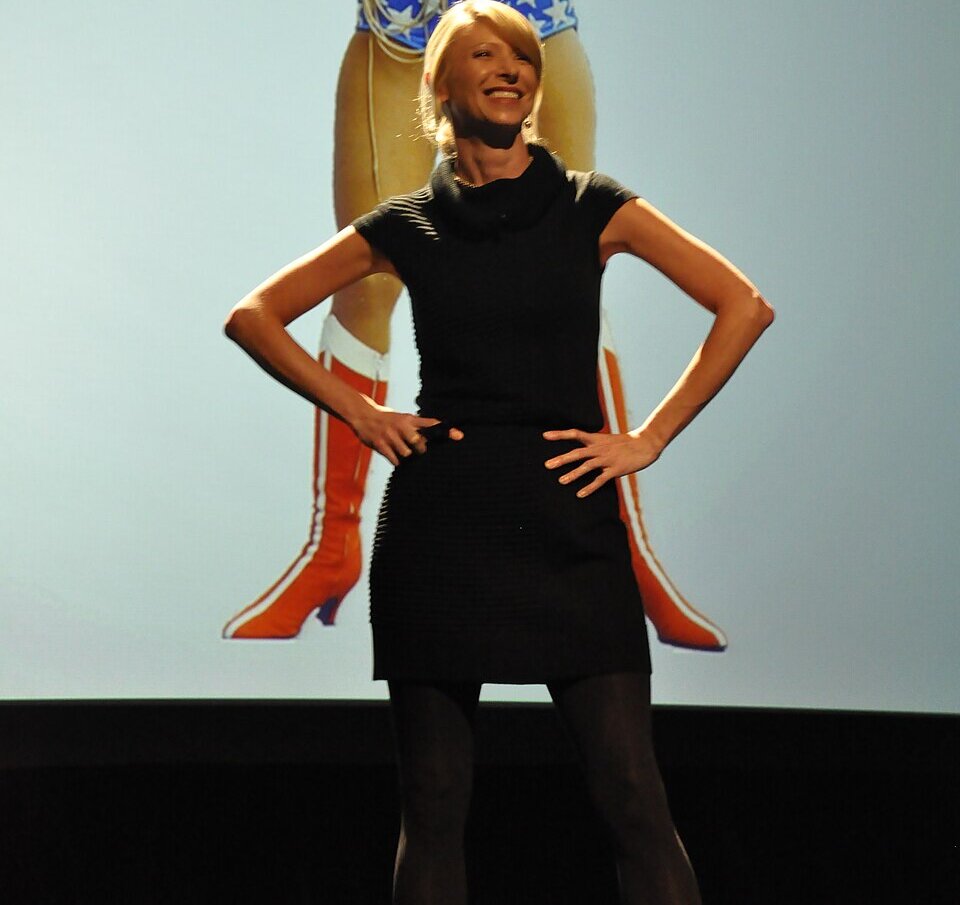
The 1971 prison study, two 2019 American Psychologist papers that re-examine it, Zimbardo's 2018 website response and the 2020 comment and reply.

Asch's line-judgment task, a 2023 replication in Bern and a 2024 systematic review, as reported in two open-access papers.

Do people learn best in a visual, auditory or other style? A 2008 review and later surveys, read from their abstracts.

The marshmallow test linked preschool waiting to later life. Here is what the original work, a 2018 replication and later papers found.
The Dunning-Kruger effect began with a 1999 Cornell paper. Here is what its four experiments found and why critics dispute the explanation.

The false consensus effect makes your views feel more common than they are. From a 1977 Stanford sandwich board test to a 2025 conspiracy study, plus trivia.

What Stanley Milgram's 1963 obedience paper actually reported, how the shock experiment worked, what later variants and a 2009 replication added, and a trivia round.

A Nature study of 87 people with implanted electrodes maps four regions of the insula, a brain area central to pain and bodily feelings. Also what the study does not show, and a trivia round.
Mr. Monopoly never had a monocle, and Darth Vader never says "Luke, I am your father." Here is where the term Mandela effect came from, what experiments have found, what is still unexplained, and a trivia round.
Why people pay to be frightened at Halloween. Fear in the body, the sweet spot a haunted house study found, the mood lift after a scare, and how horror fans fared in the pandemic.

Long-term research finds most adults keep their shape while drifting toward maturity. What that means when you retake a personality quiz years later.

Two quizzes, two answers. How trait labels, agree scales, the setting you picture, who you compare yourself with and forced choices pull results apart.
Older work lines up the MBTI's four scales with four Big Five traits; a large 2022 study found much weaker links. The figures, what the Big Five adds, and what a letter drops.
Love languages cover how you show love and how you like to be shown it. Why those are two questions, and what research found when they were measured apart.

A 3 to 2 split on five questions is weak evidence either way. What measurement error and retest reliability mean for a close quiz result, and how to read one.
What the five love languages are, what a 2024 review of the research found, and how to talk about unmet needs without boxing anyone into one label.

In 1949 a psychology class rated one shared personality sketch about 4.3 out of 5. What the Barnum effect is, and how to read your quiz result with it in mind.
Introvert and extrovert sound like two camps, but scores bunch toward the middle. What research says about energy, shyness, and acting out of character.

What the research says about MBTI: where the four letters came from, why many people get a different type on a retest, and what the scales measure well.