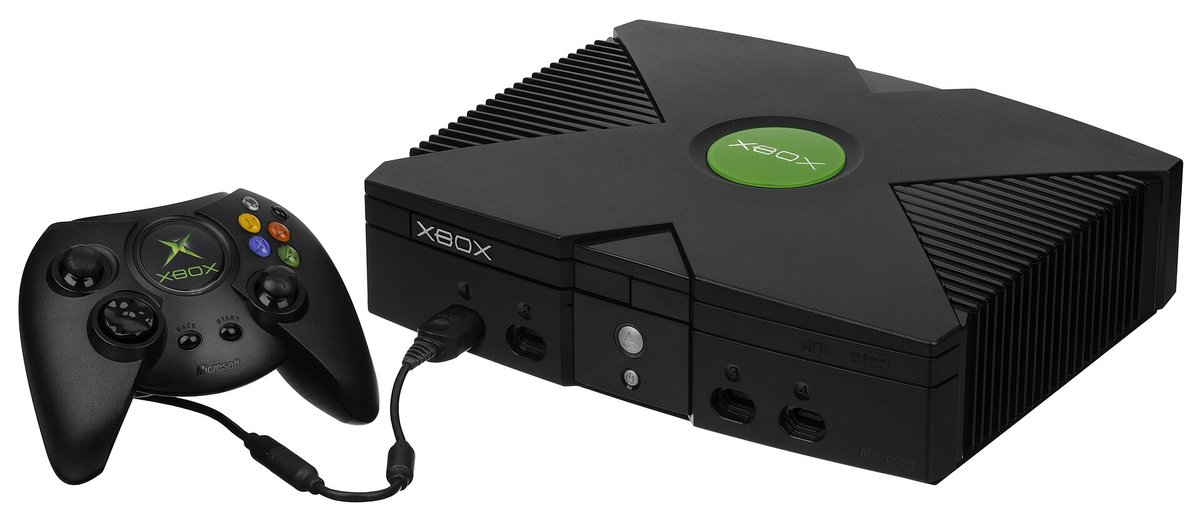
Xbox at 25: How Microsoft Launched Its First Console in November 2001
The original Xbox went on sale in North America on 15 November 2001. Why Microsoft built it, the Halo launch lineup, midnight in Times Square, the first sales, and a trivia round.
Section
Space missions, things to watch in the night sky, aircraft and the technology companies are building.
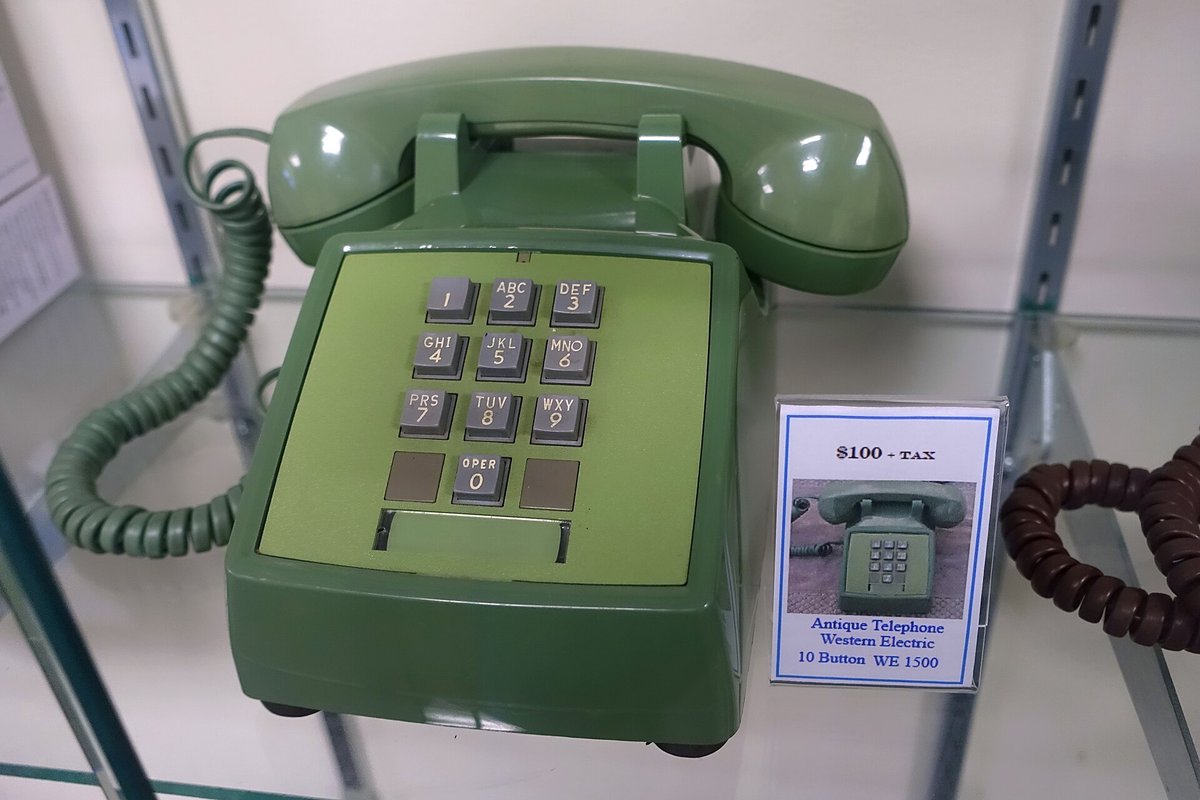
On November 18, 1963, Bell Telephone opened the first commercial touch-tone service in Carnegie and Greensburg, Pennsylvania. How the two-tone signals work, why the keypad puts 1 2 3 on top, and where the star and pound keys came from.
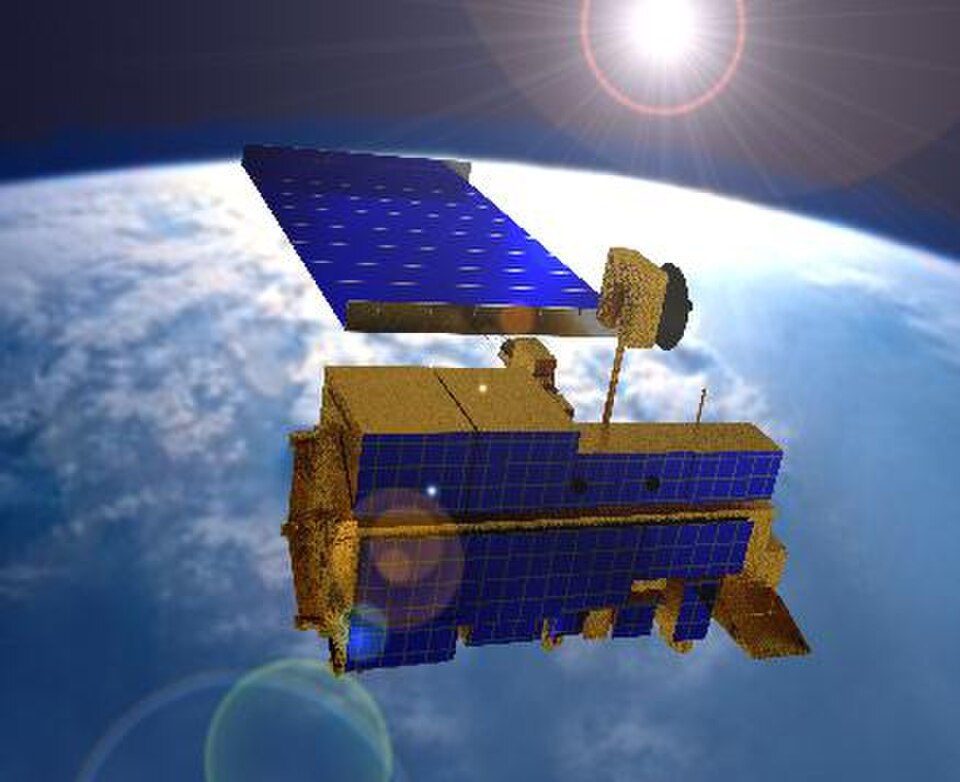
NASA says Terra, launched December 18, 1999, will stop collecting science data on December 1, 2026. What the agency says about its five instruments, its orbit and its shutdown, plus trivia.
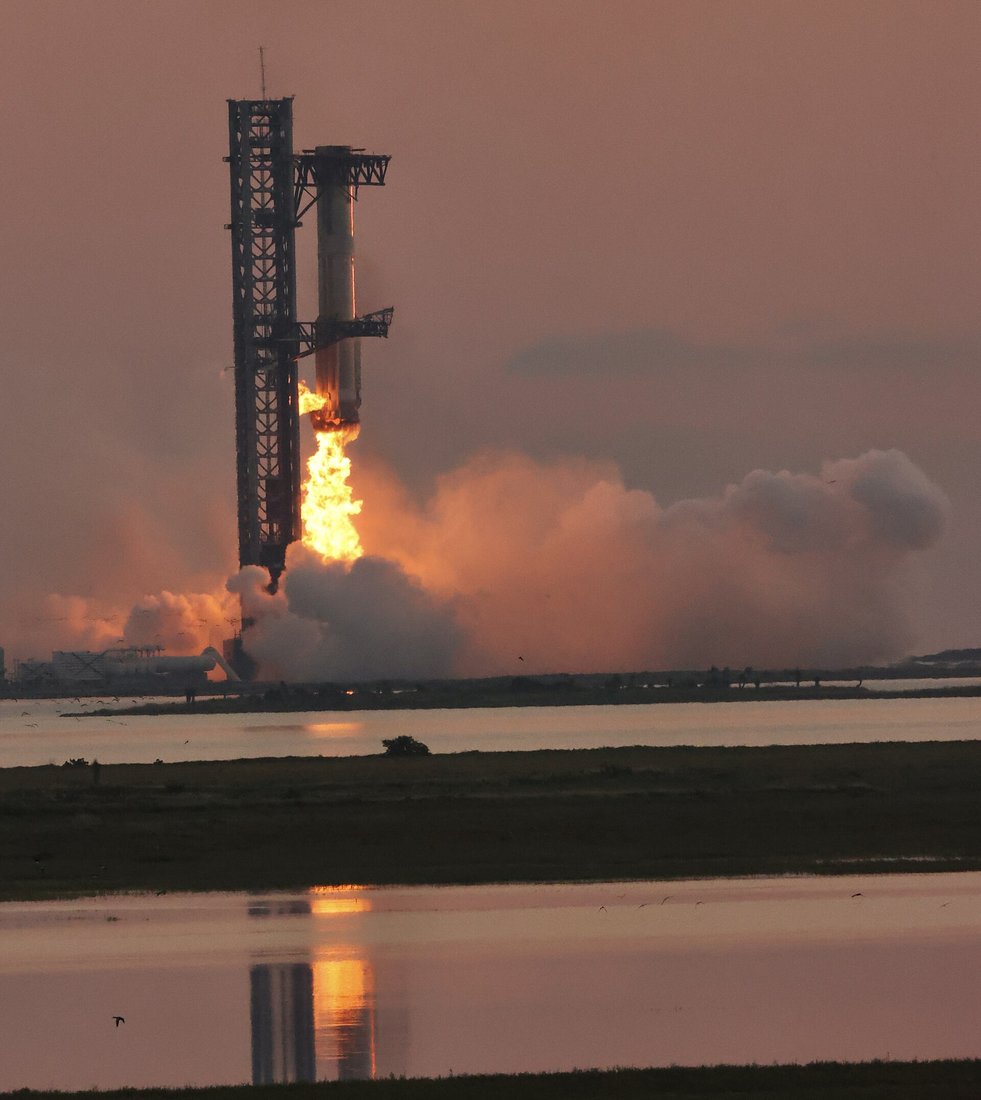
Starship Flight 15 put 26 Starlink V3 satellites in orbit and ended with the first tower catch of a Starship upper stage, while its booster was lost over the Gulf.
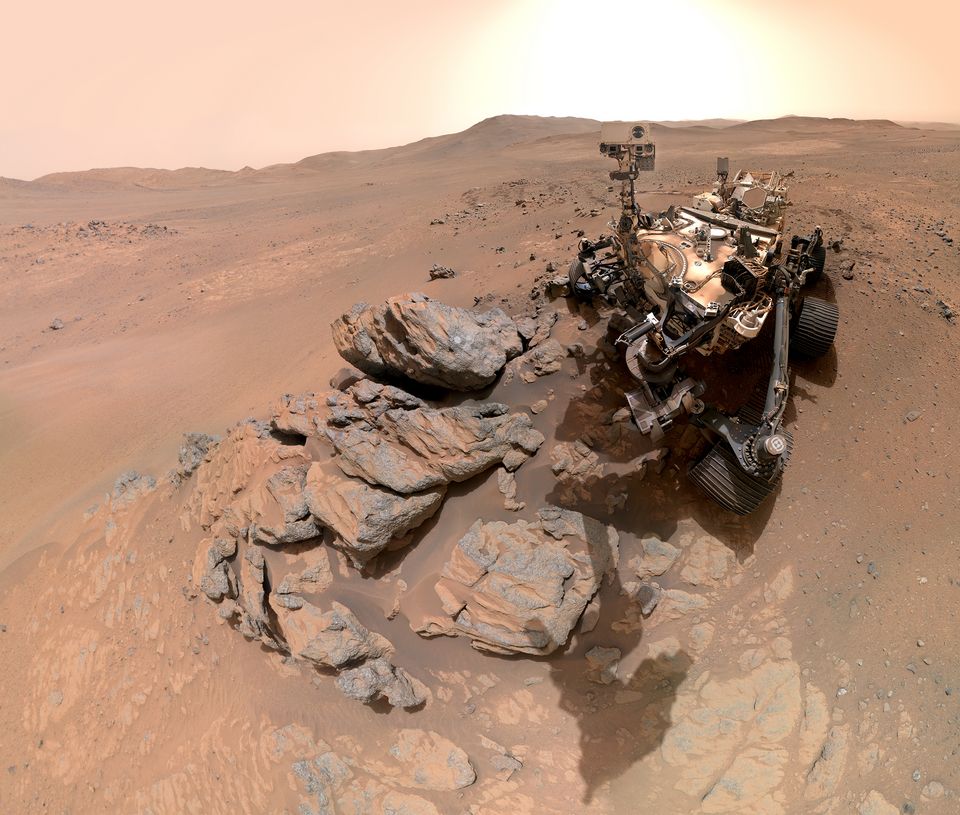
NASA's November 16, 2026 Perseverance update on light-toned silica-rich rocks at Idubi, what SuperCam showed, what it does not show, and a trivia round.
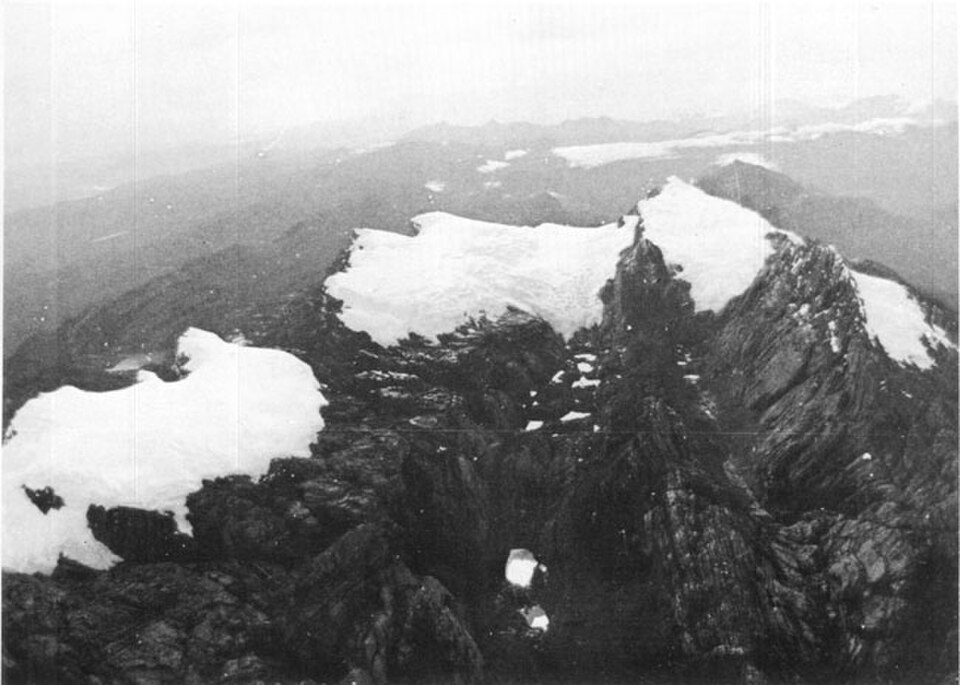
NASA's November 16, 2026 Landsat image pair of Indonesia's Puncak Jaya, the figures it reports, a journal paper's separate count and a trivia round.
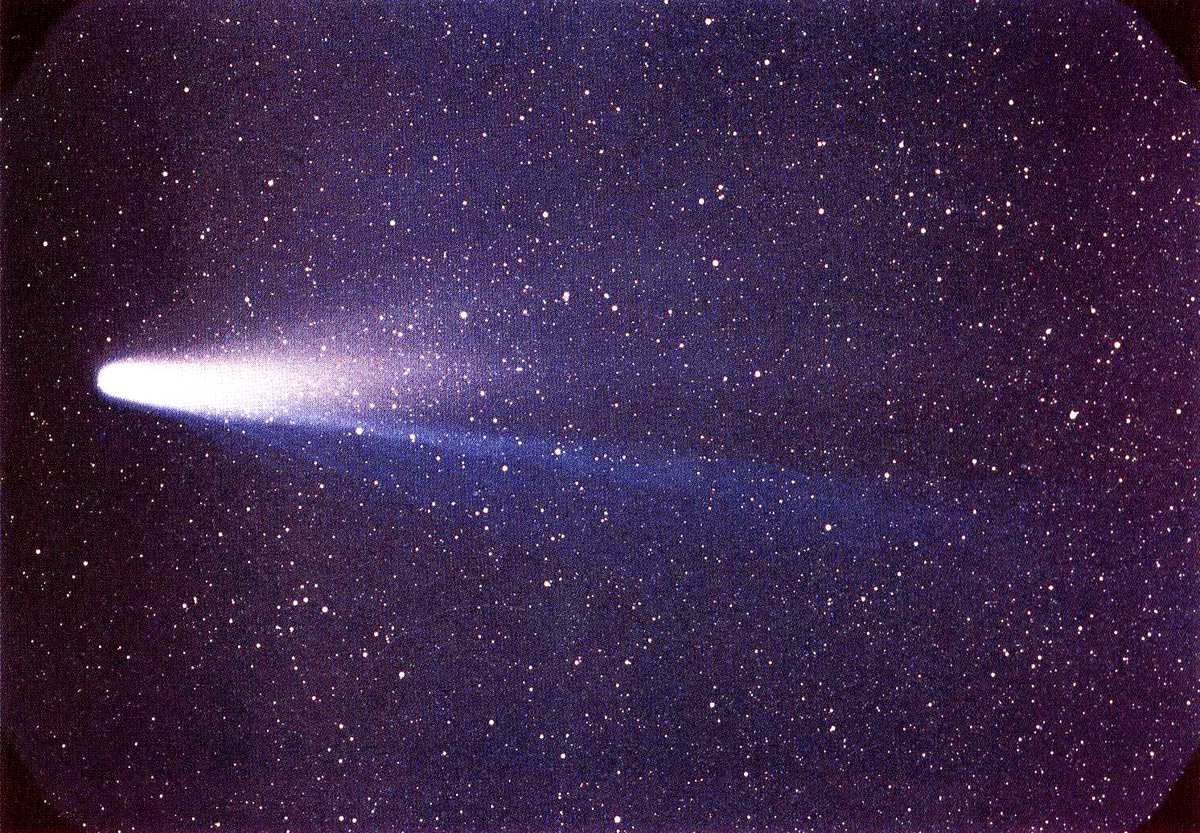
Two pieces look up. One follows a Japanese mission that sets out to land on a moon of Mars and bring a sample home, and the other covers when and where to watch a meteor shower and why Halley's Comet matters to it. Each ends with a trivia round.
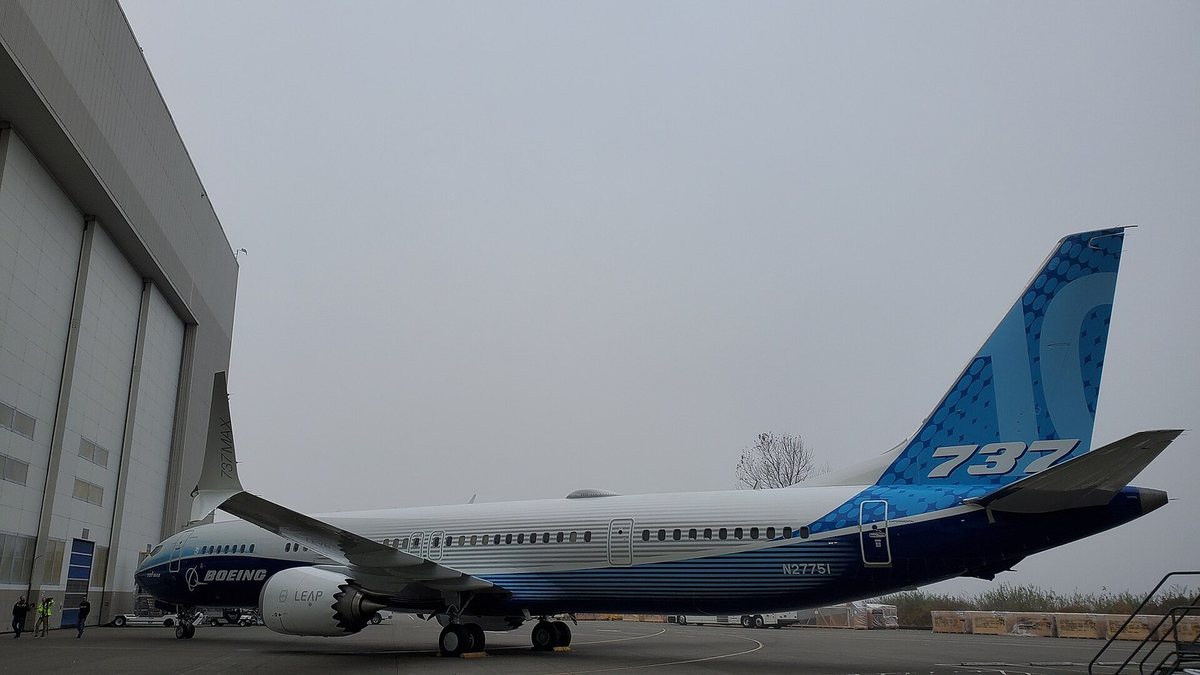
Two follow announcements and approvals, one on where Boeing's 737 MAX 7, MAX 10 and 777X each stand, and one on what is confirmed and what is only reported about Tesla, Starlink and phone service.
The original Xbox went on sale in North America on 15 November 2001. Why Microsoft built it, the Halo launch lineup, midnight in Times Square, the first sales, and a trivia round.
How Apollo 12 survived two lightning strikes after launch on 14 November 1969, the SCE to AUX call, the pinpoint landing at Surveyor 3, and a trivia round.
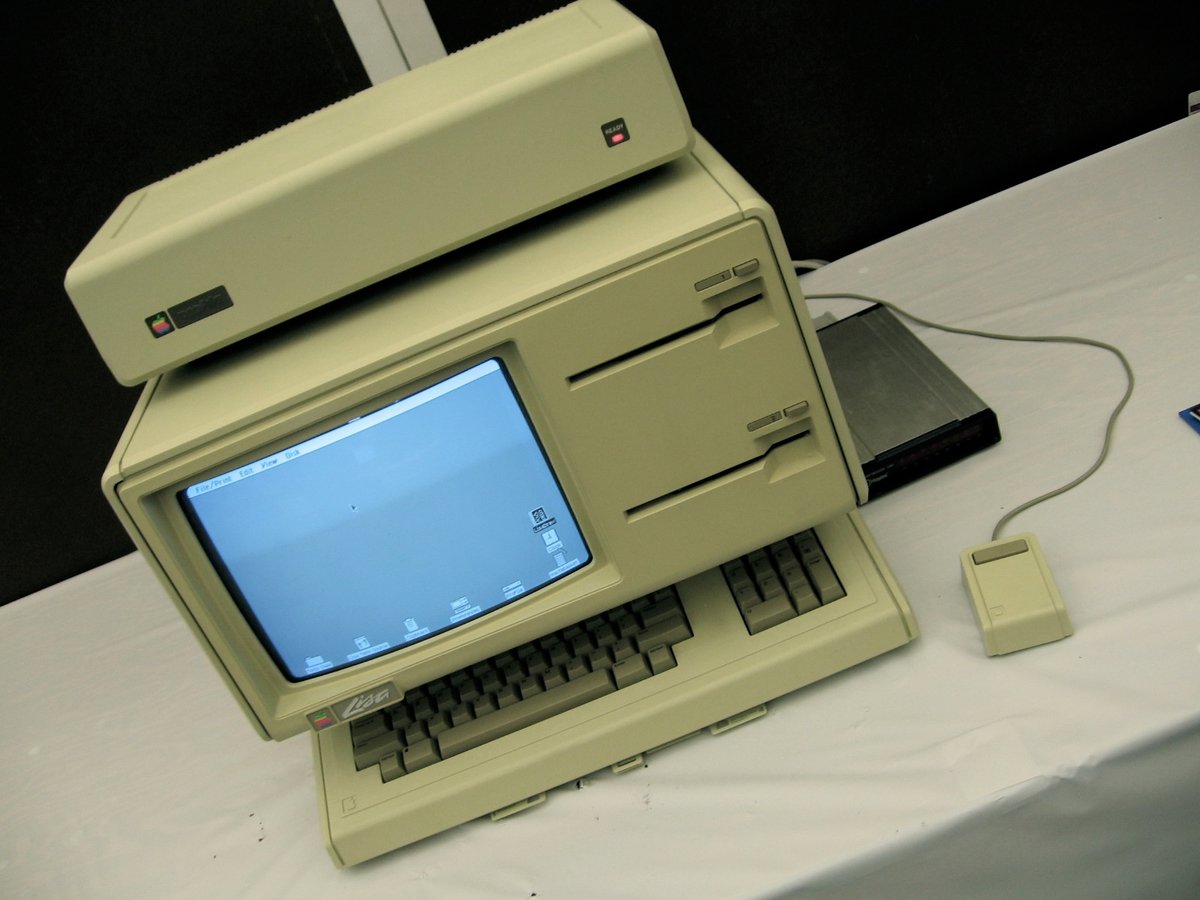
Microsoft announced Windows in New York on November 10, 1983. What it promised, the tiled screen that shipped in November 1985 for $99, and how long it took to catch on.
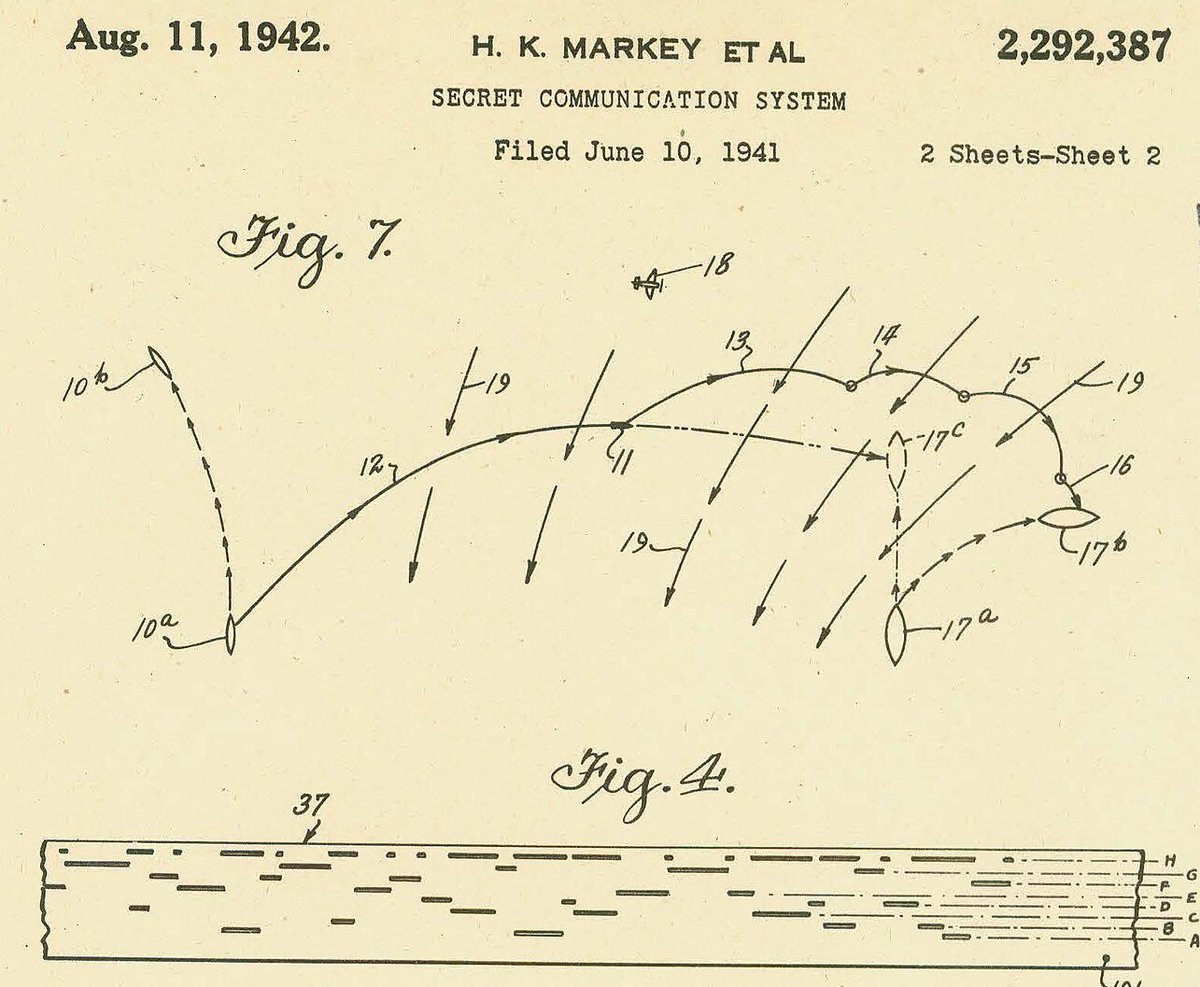
Hedy Lamarr was born November 9, 1914. What her 1942 frequency hopping patent with George Antheil describes, what the Navy did with it, and where the idea shows up in radio today.
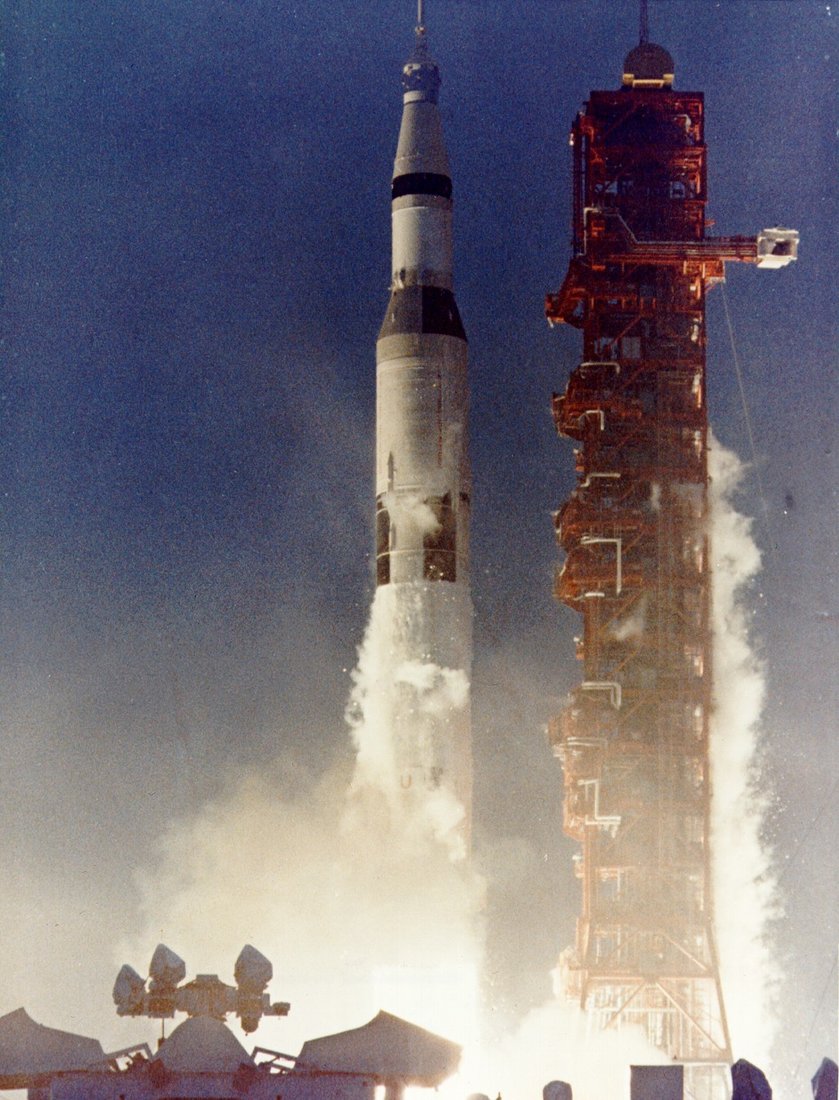
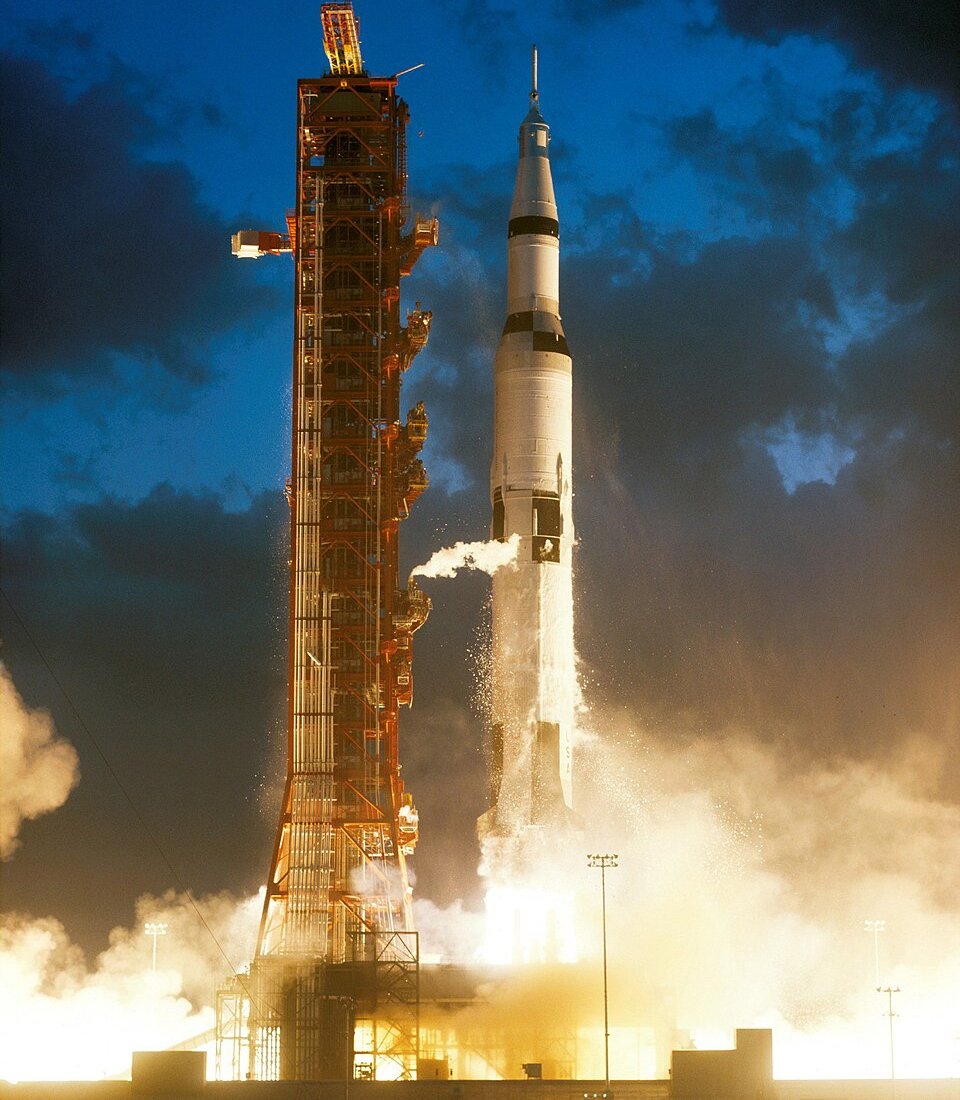
NASA's account of the first Saturn V flight on 9 November 1967: an all-up test, a restart, a hot reentry, a loud launch and a trivia round.
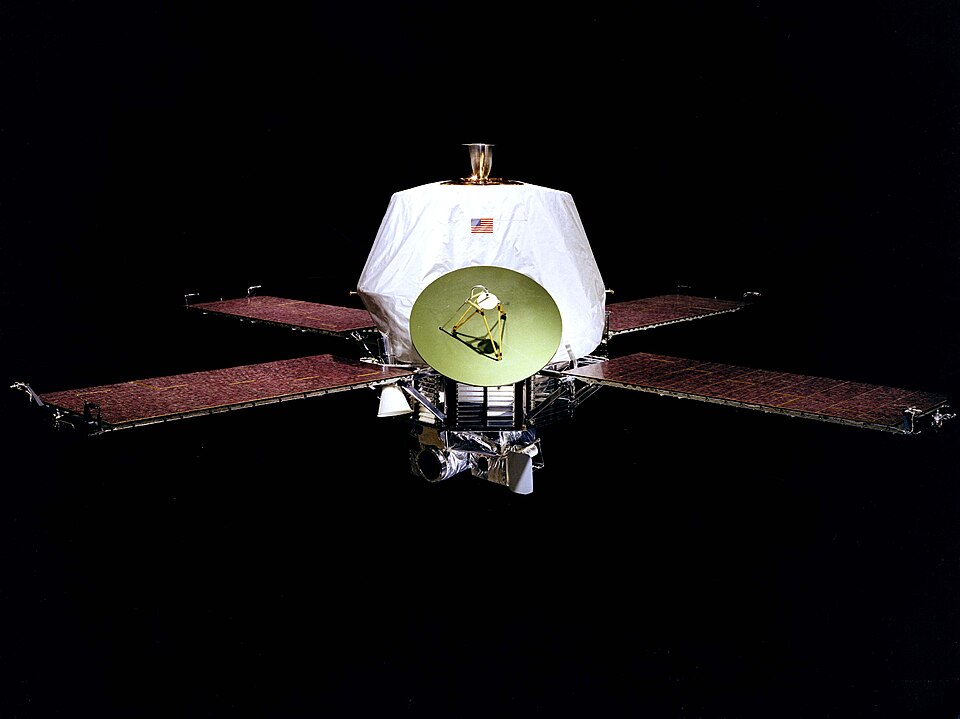
On November 14, 1971, NASA's Mariner 9 became the first spacecraft to orbit another planet. See what NASA's records say about the dust storm, the maps and where they differ, plus trivia.
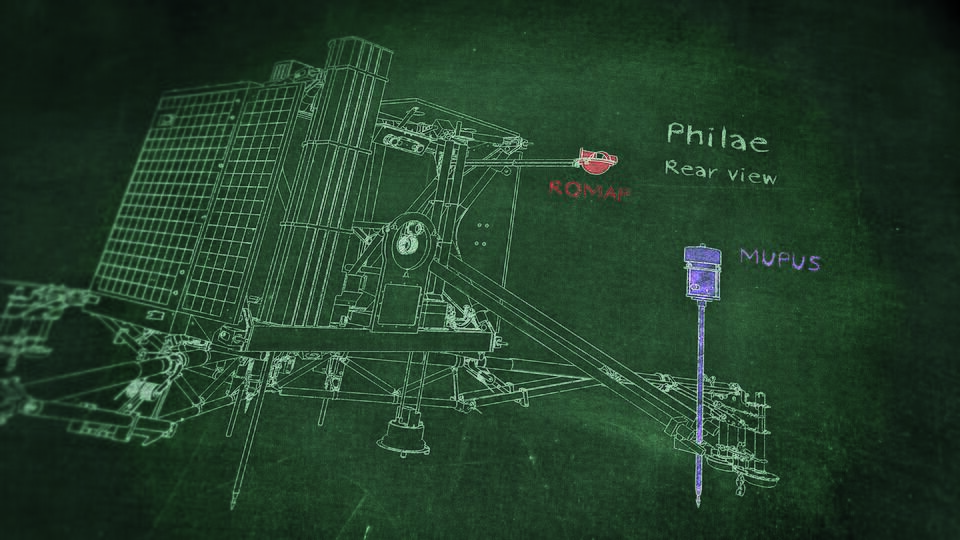
On November 12, 2014, ESA's Philae reached comet 67P. See what ESA and NASA wrote about the three touchdowns, the harpoons that did not fire and the wake-up in 2015, plus trivia.
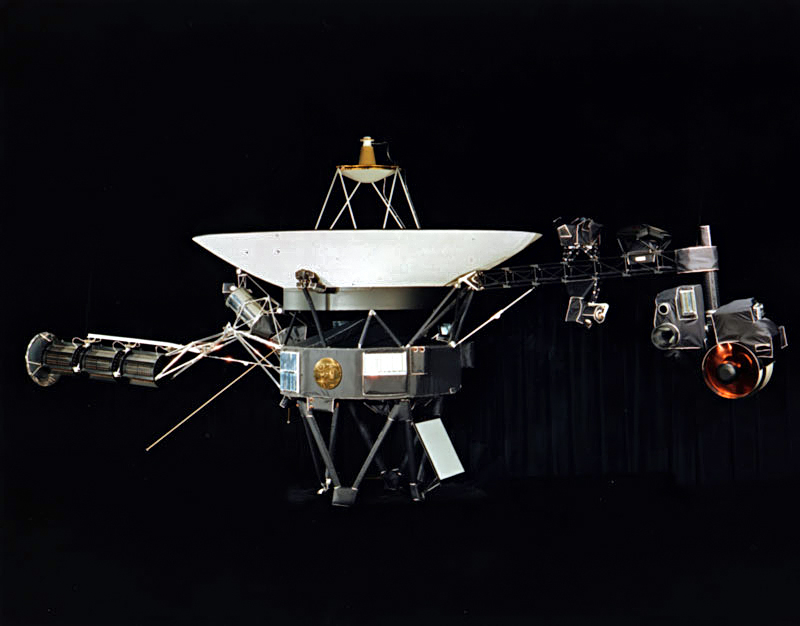
NASA's figures for Voyager 1's one light-day mark on November 18, 2026, plus its autumn power swap, a two-day signal gap and a trivia round.
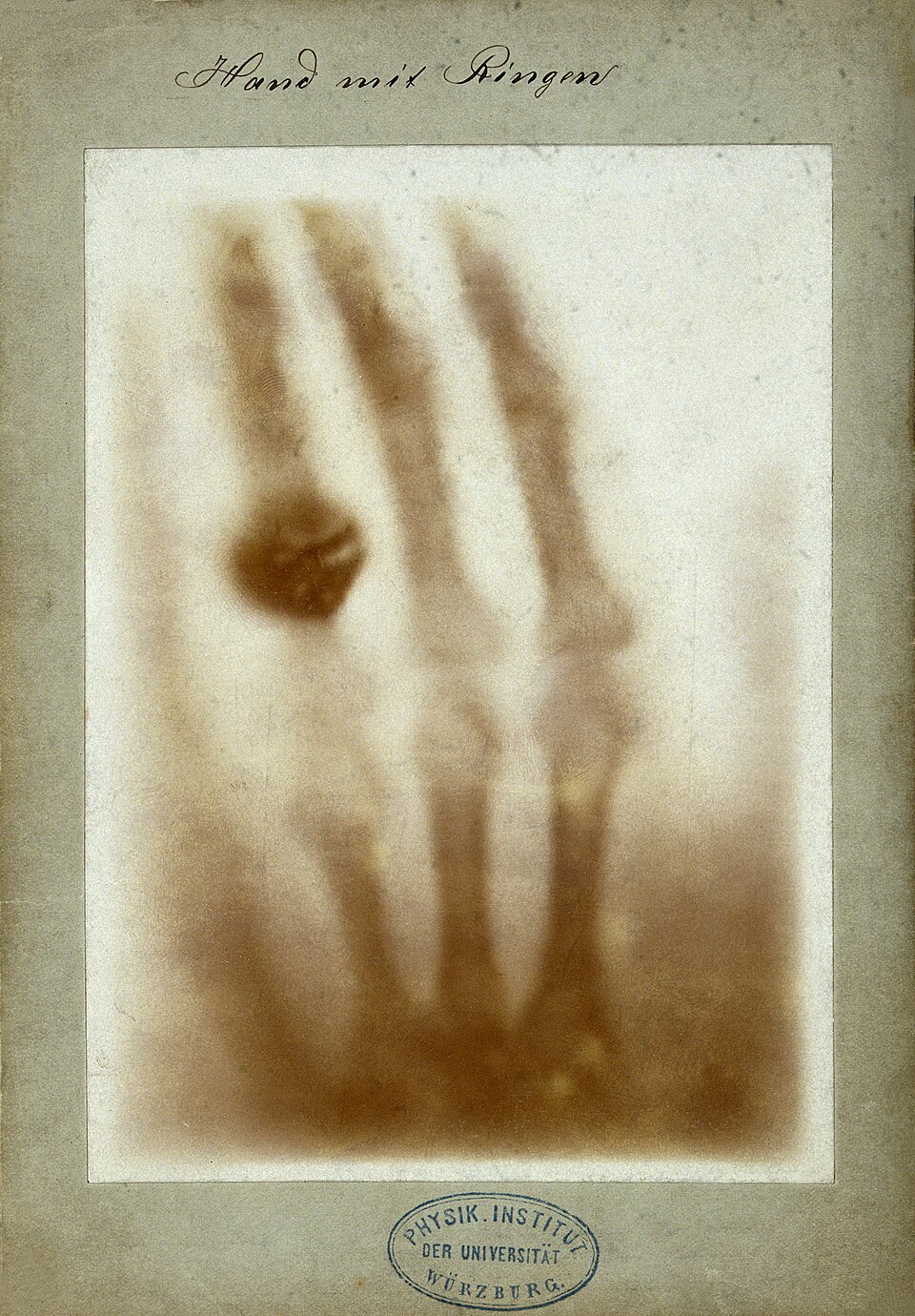
The Nobel Prize's account of 8 November 1895: a glowing plate, a hand with a ring, 90 envelopes and a newspaper scoop, plus a trivia round.
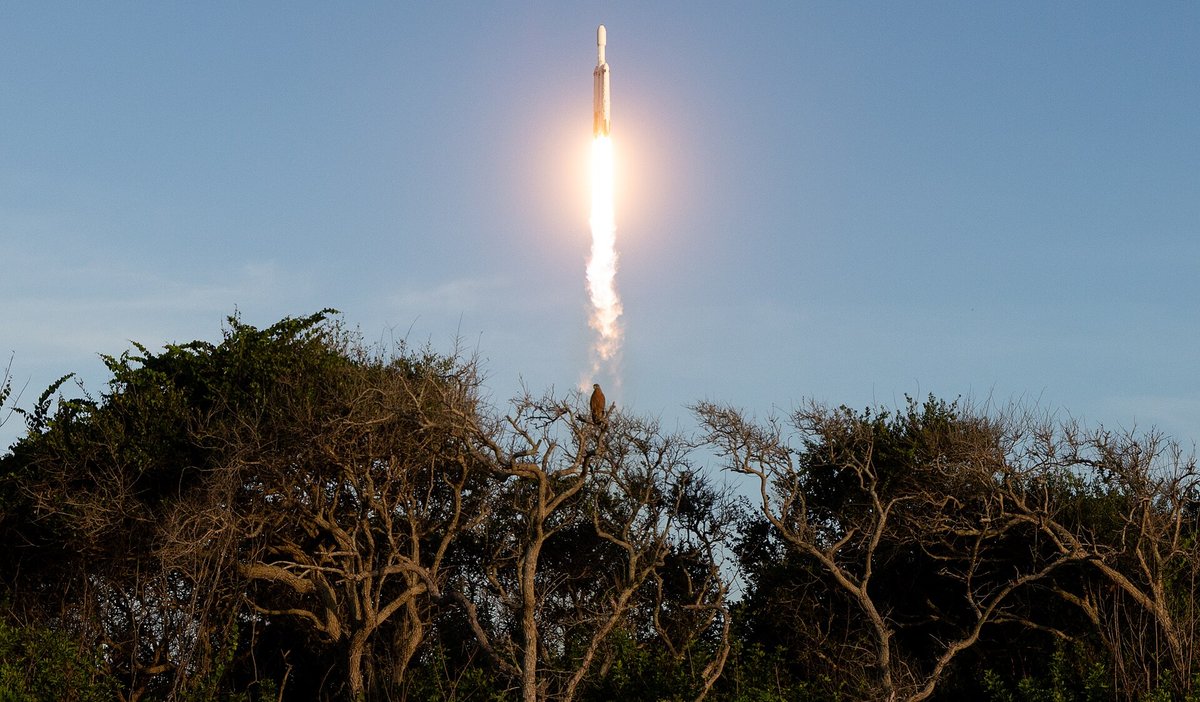
NASA's Roman Space Telescope launched August 30, 2026. What it is, who Nancy Grace Roman was, its L2 orbit and where commissioning stands, plus trivia.
Nature's first issue is dated 4 November 1869. What Lockyer, Huxley and others put in it, how the journal changed, and a trivia round.
On November 2, 2026, NIST published CSWP 50, a plain-language cybersecurity guide for one-person businesses. How it is built, what it lists, what it says it is not, and a trivia round.
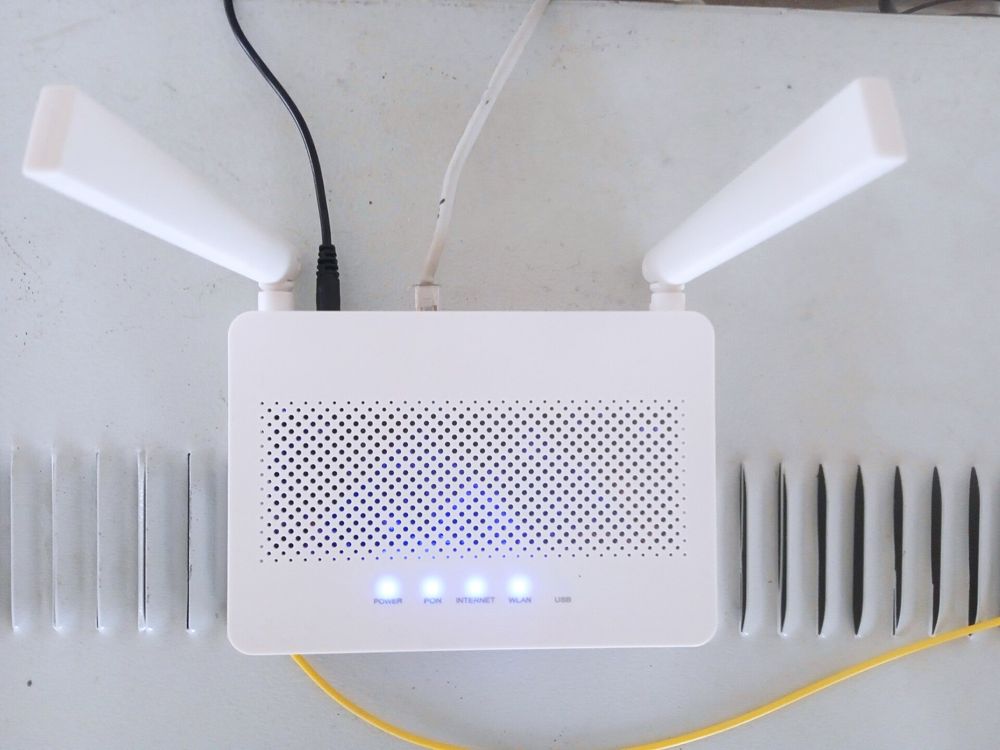
Sputnik 2 carried the dog Laika into orbit on November 3, 1957. Here is what NASA's history pages and RussianSpaceWeb say, where they disagree, and a trivia quiz.
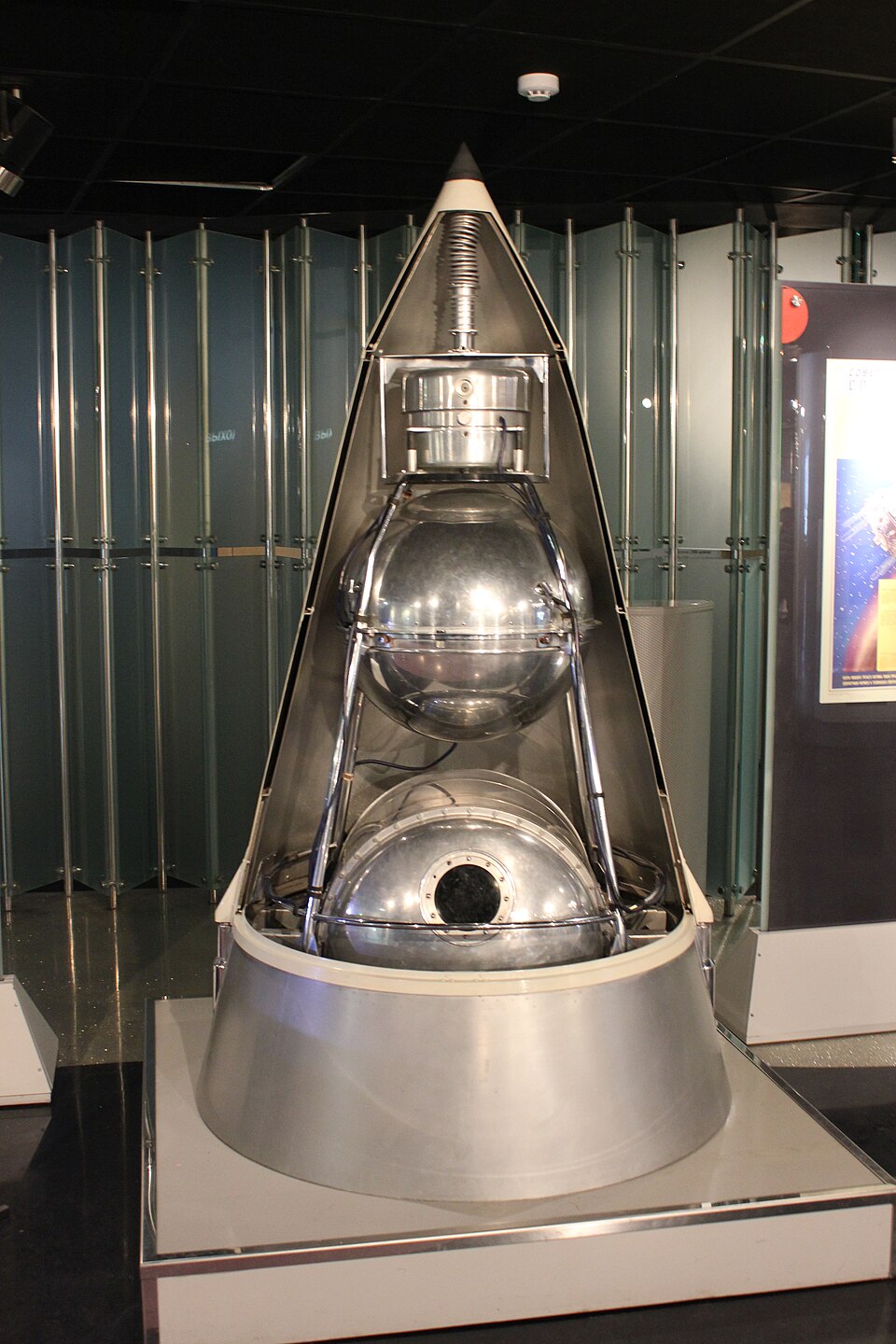
NASA's Juno crossed Jupiter's bow shock in December 2024 and found harmonic plasma waves, shocklets and signs of a shock that may rebuild itself.
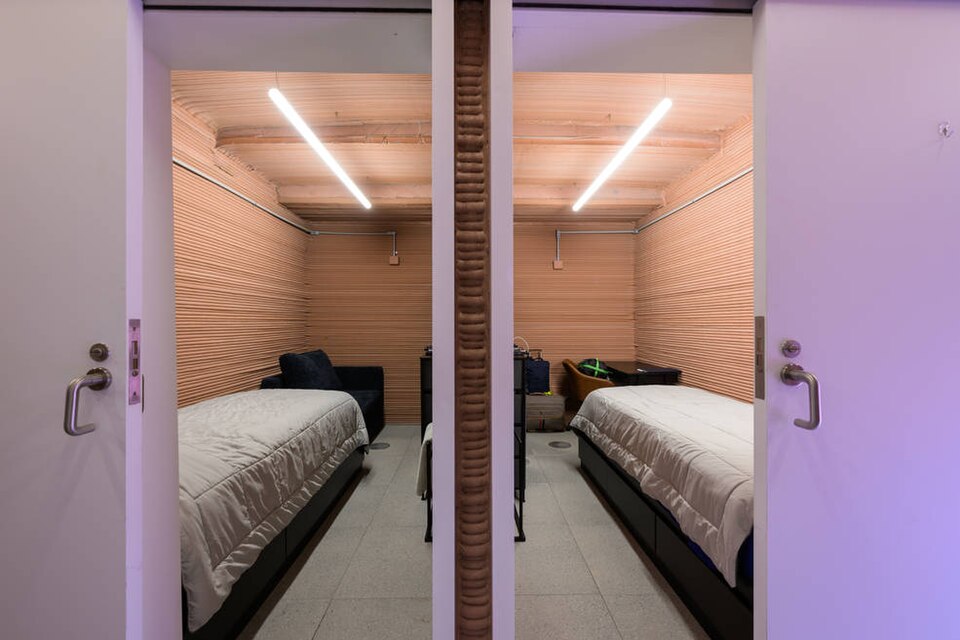
NASA says its four CHAPEA volunteers are scheduled to leave their Houston Mars habitat on October 31, 2026, after 378 days. See what the agency reports about the habitat, the blackout and what it will study, plus trivia.
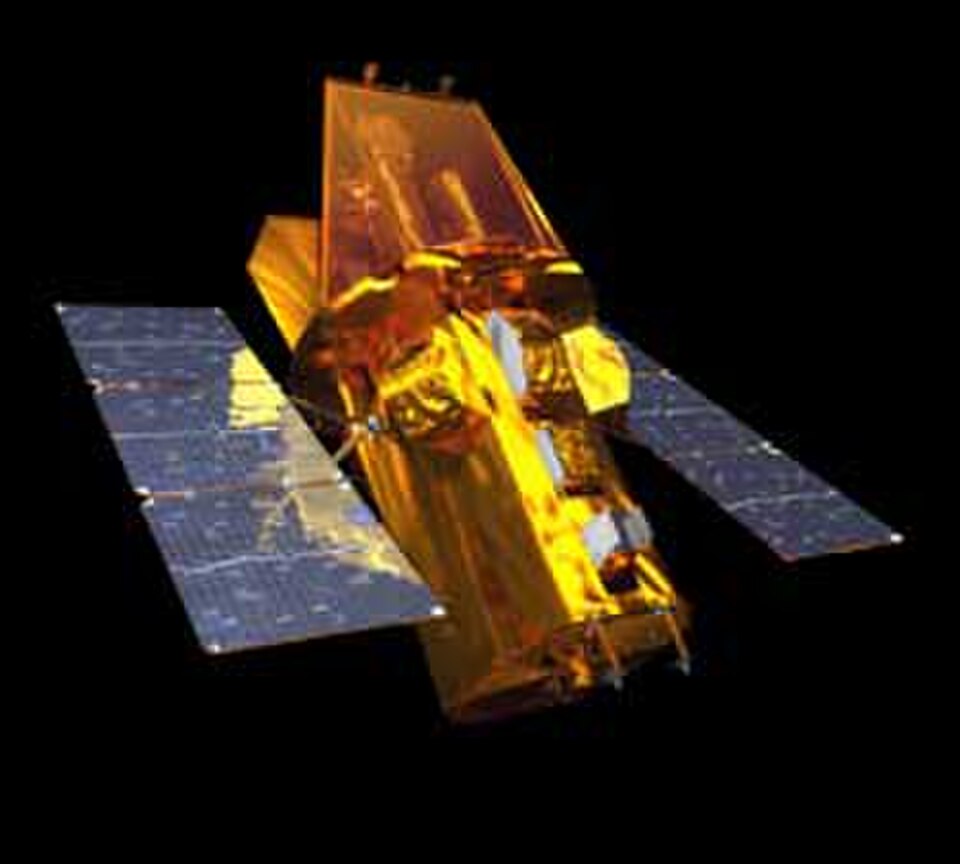
NASA says Swift's science mission is over. See what the agency reports about its final observation, the 0.03-second burst, its archive, and what NASA says it is exploring next, plus trivia.
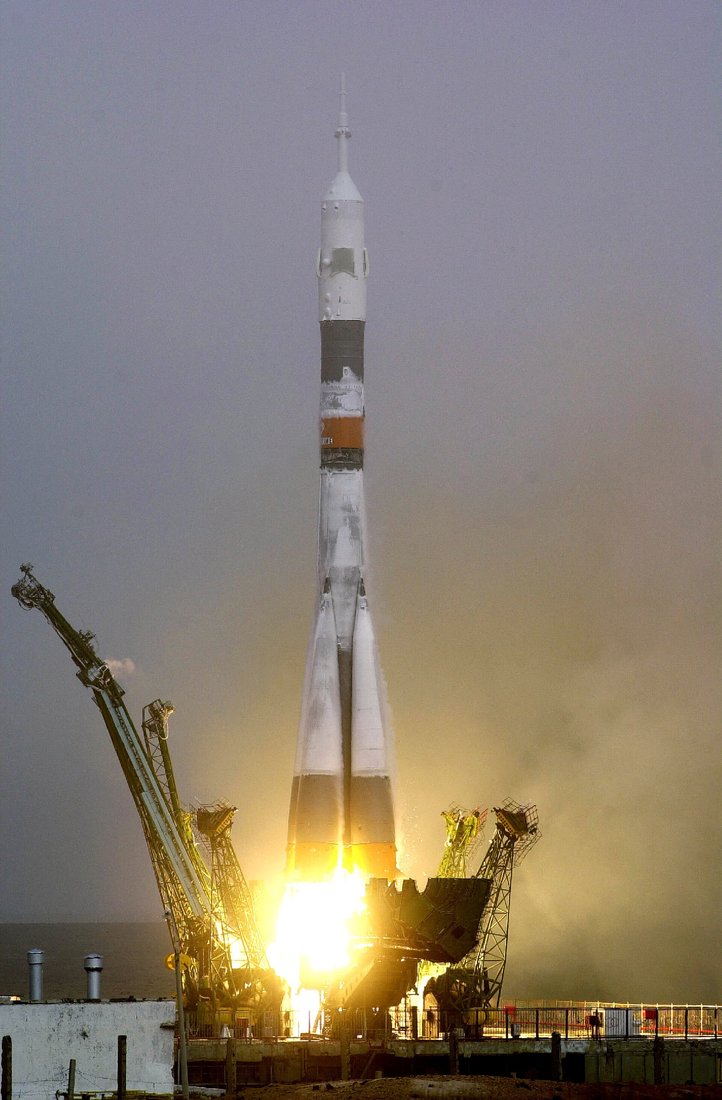
On October 31, 2000, a Soyuz carried Bill Shepherd, Yuri Gidzenko and Sergei Krikalev toward the space station. What NASA says about the launch, the move-in and the trip home, plus trivia.
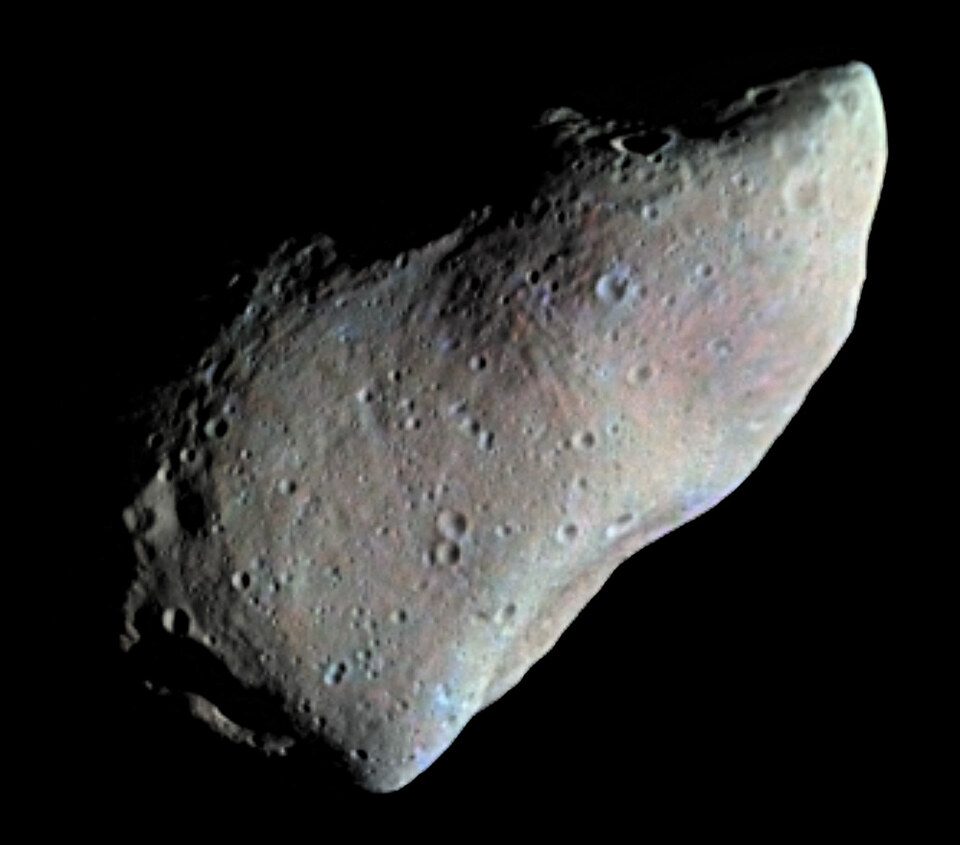
On October 29, 1991, NASA's Galileo passed asteroid Gaspra. See what NASA's pages say about the flyby, the craters and grooves, the stuck antenna and the Ida sequel, plus trivia.
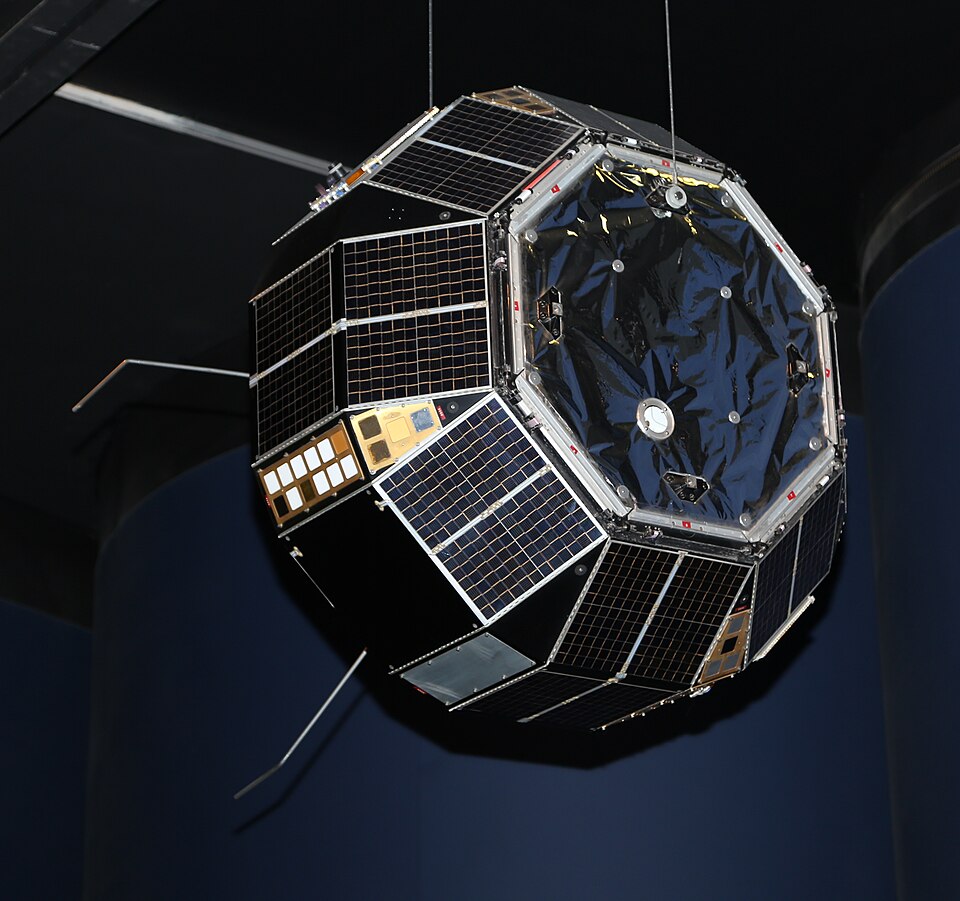
Prospero, a British satellite, was launched on October 28, 1971. See why its Black Arrow rocket was already cancelled, what it tested and where its flight spare is, plus trivia.
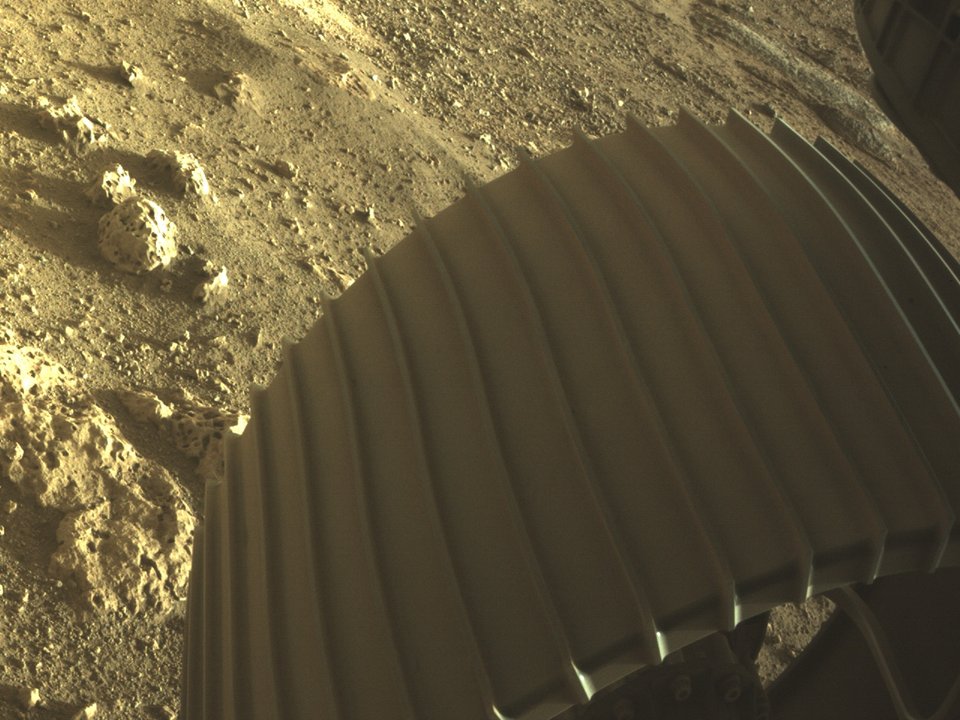
NASA says Perseverance found fine and ultrafine dust on calibration targets that include spacesuit swatches over 1,645 Martian days. What the release reports, what it leaves open, and a trivia round.
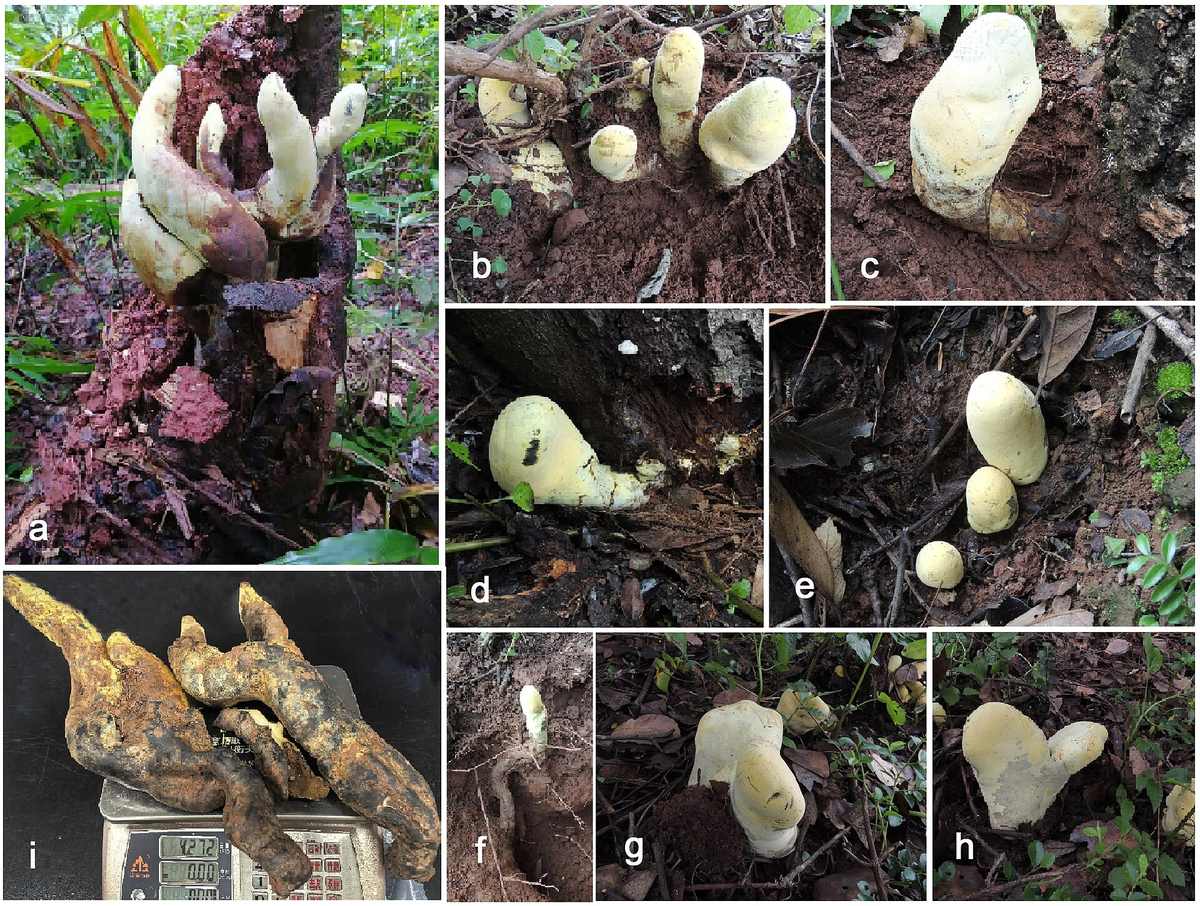
Scientists have named Dianjunus rex, a fungus from Yunnan, China, whose fruiting bodies reach up to about 50 cm and 2.2 kg. What the record claim covers, where it grows and how old its family is, plus a trivia round.
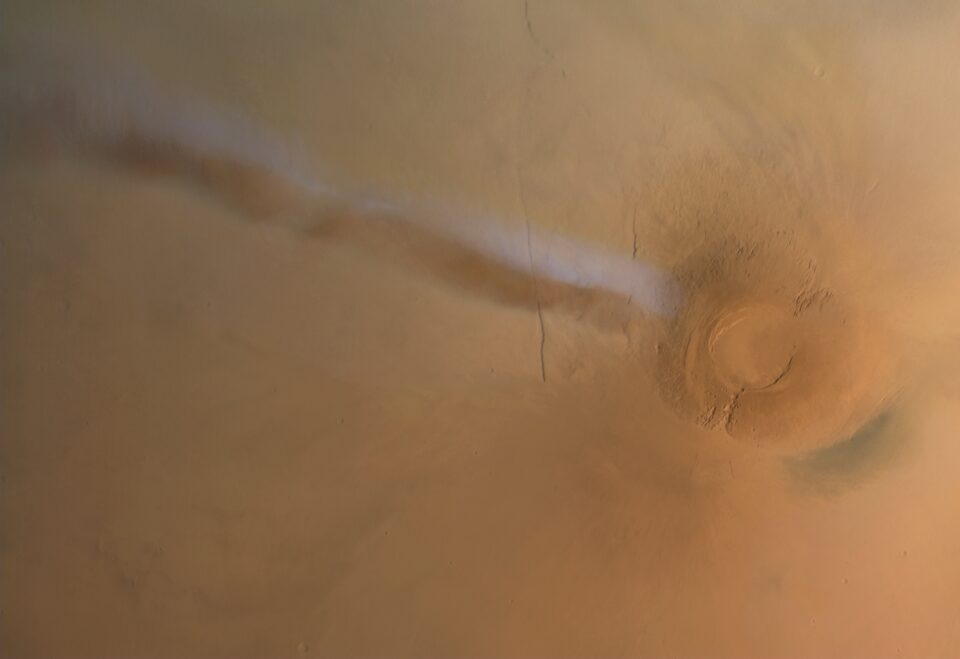
A team led from Paris says the 1800 km cloud off Arsia Mons appears in a model only with ice forming from vapor with no dust. What ESA and the paper say, plus a trivia round.
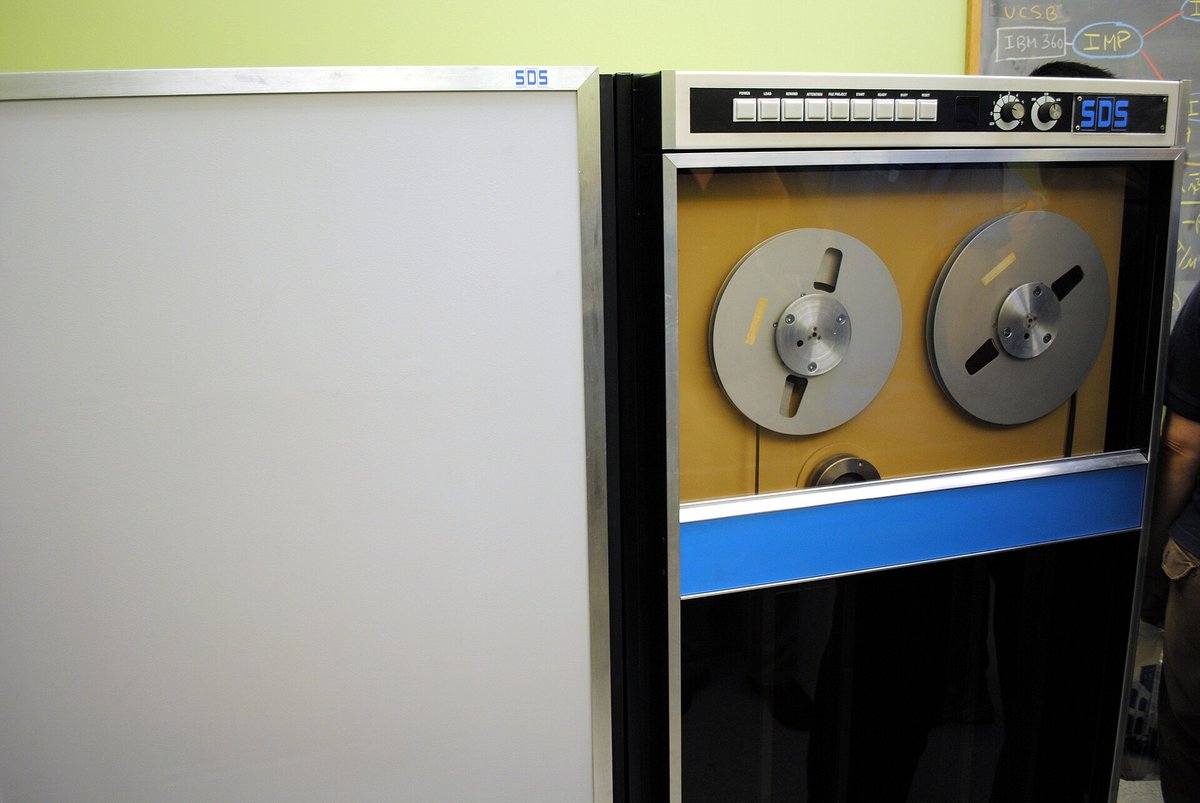
On 29 October 1969, a UCLA programmer tried to log in to a computer at the Stanford Research Institute. Two letters got through before the crash, and the network that became the internet had its first word.
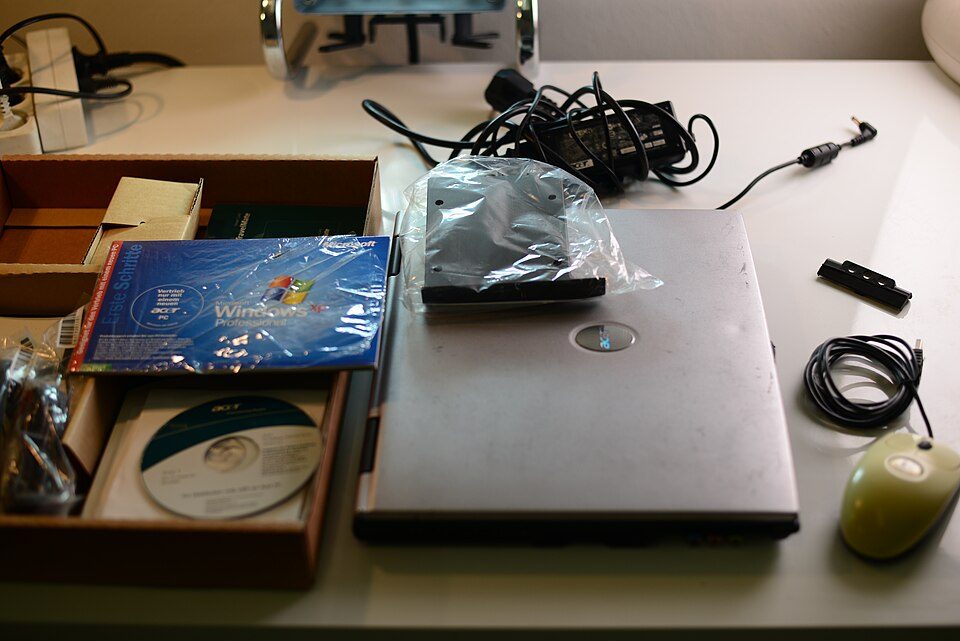
Windows XP launched on October 25, 2001. See how the New York launch went, what XP ran on and what Microsoft says about the end of support, plus trivia.
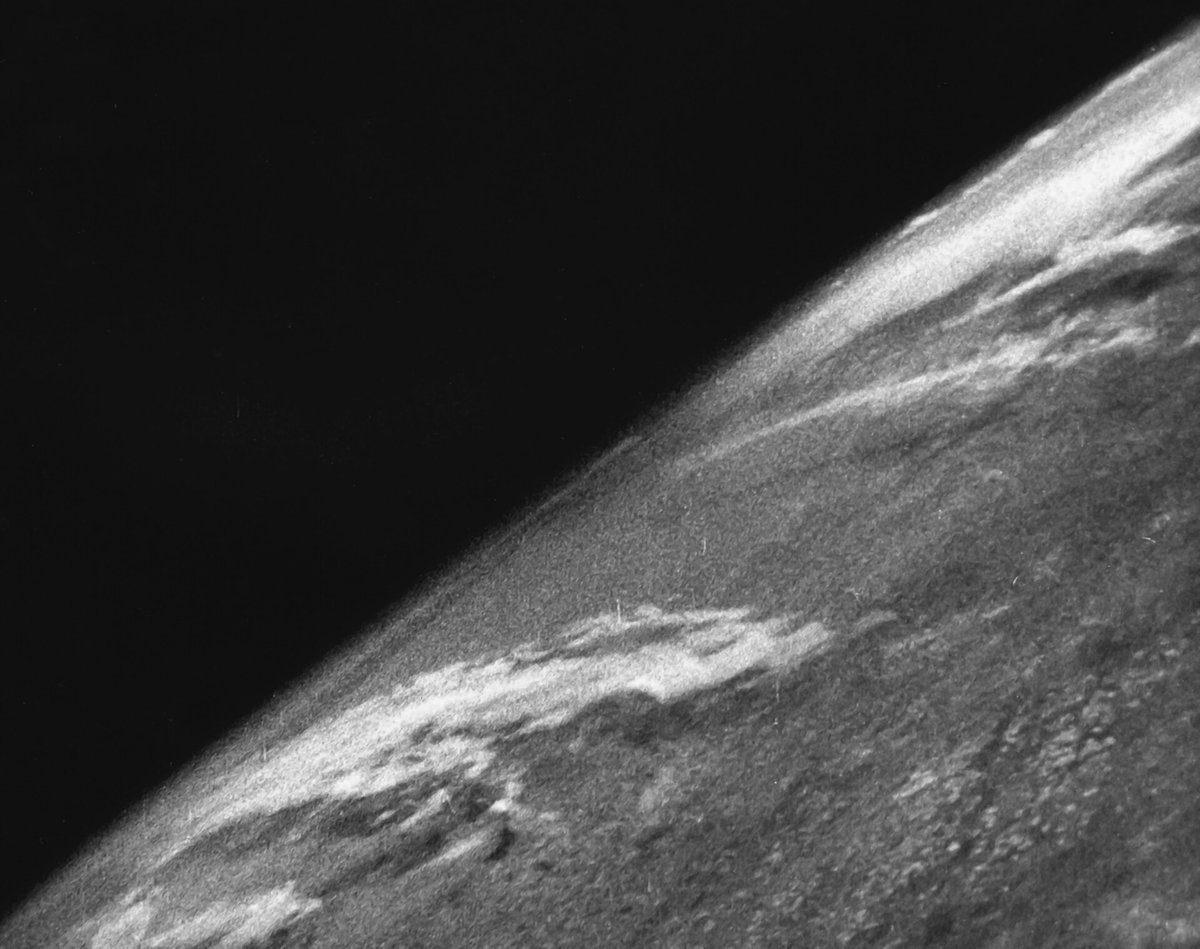
On 24 October 1946, a camera on a captured V-2 rocket over White Sands took the first pictures of Earth from space. Who built it, how high it went, how the film was found, what came after, and a trivia round.
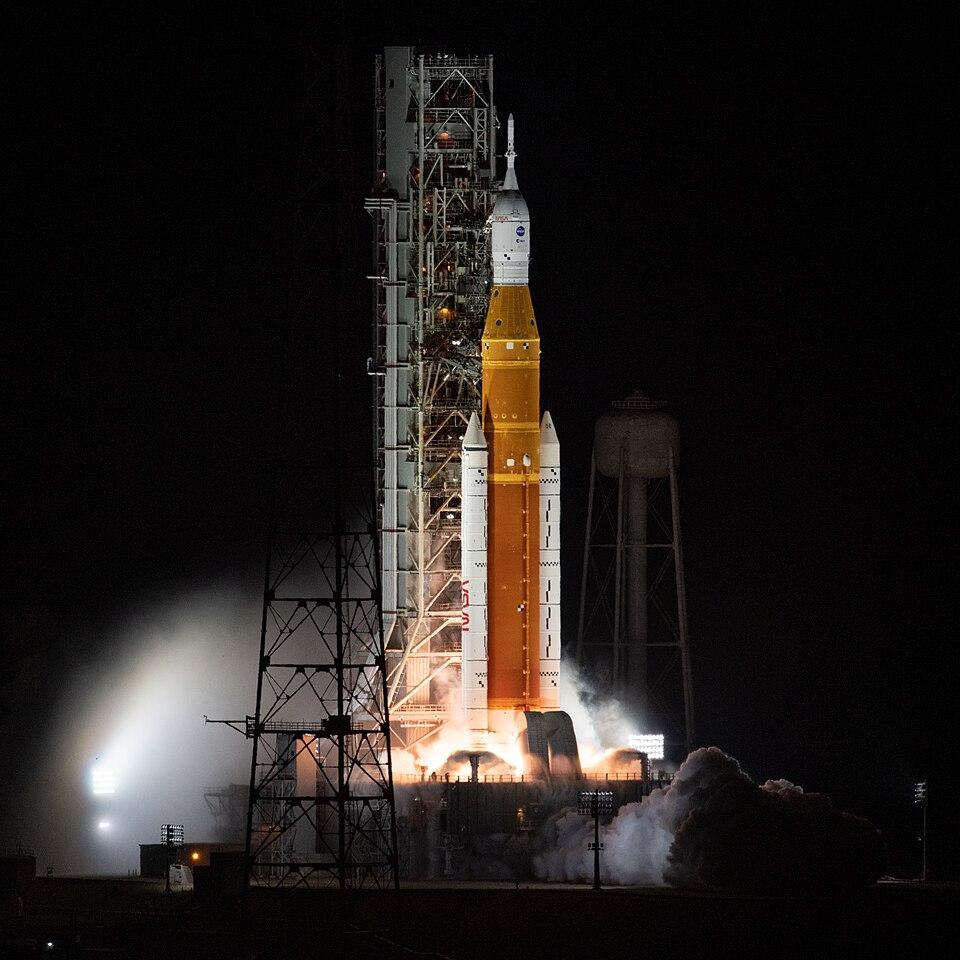
In its October 23, 2026 update, NASA described Artemis III as a 14-day test in Earth orbit with test versions of the Blue Origin and SpaceX landers, along with a changed plan for the 2028 landing. Plus a trivia round.
Glacier Monitoring Switzerland reports a 5.5 percent loss of Swiss glacier ice in 2026, second only to 2022, with record losses on four large glaciers and a five-question trivia round.

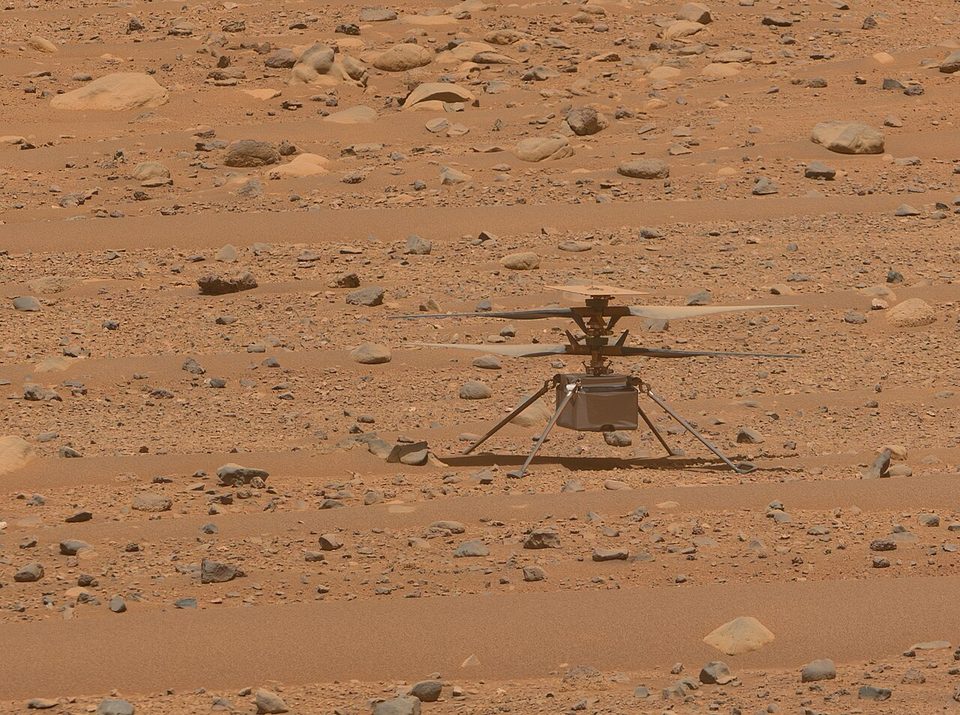
NASA's October 20, 2026 updates on an experimental Mars helicopter blade and the fission-powered SR-1 Freedom spacecraft meant to carry SkyFall's three helicopters, plus a trivia round on Ingenuity.
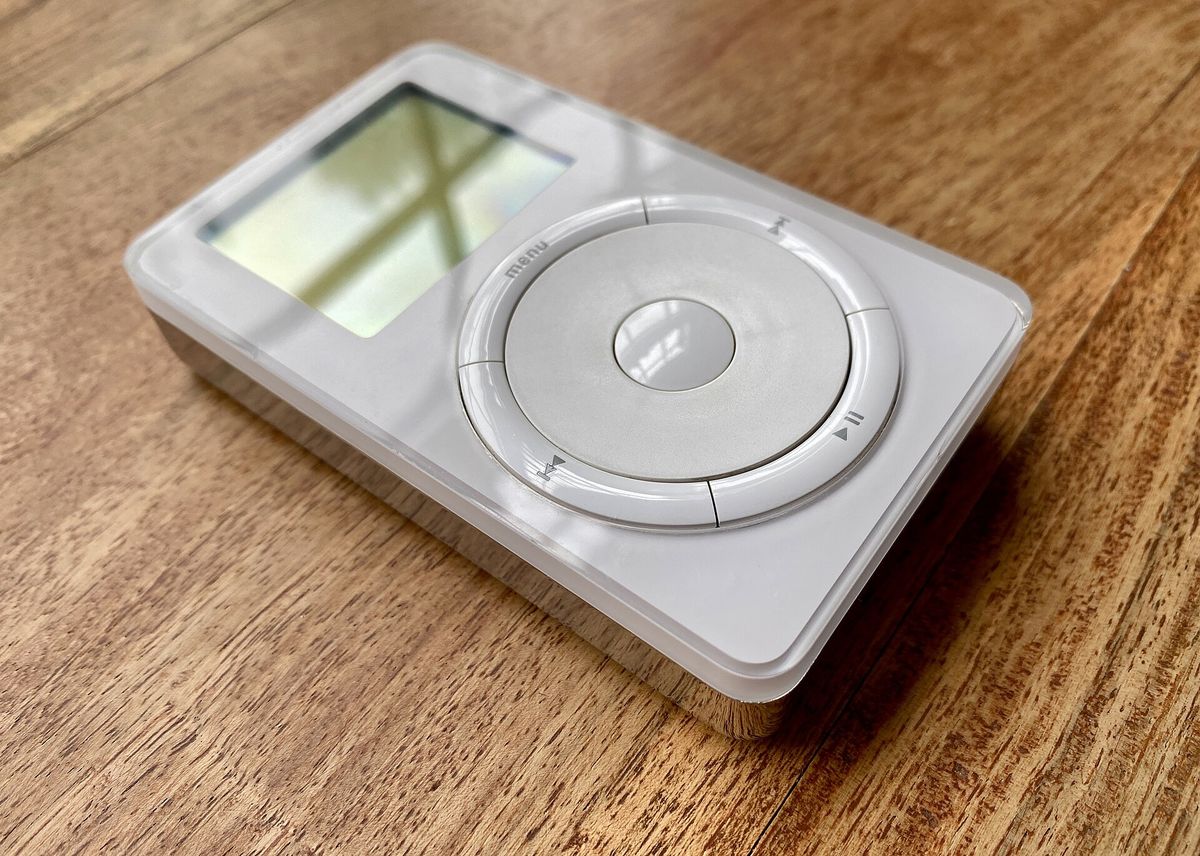
Apple announced the iPod on October 23, 2001, with up to 1,000 songs on a 5 GB drive. How it was built, how it reached Windows and the iTunes Store, how it ended in 2022, and a trivia round.
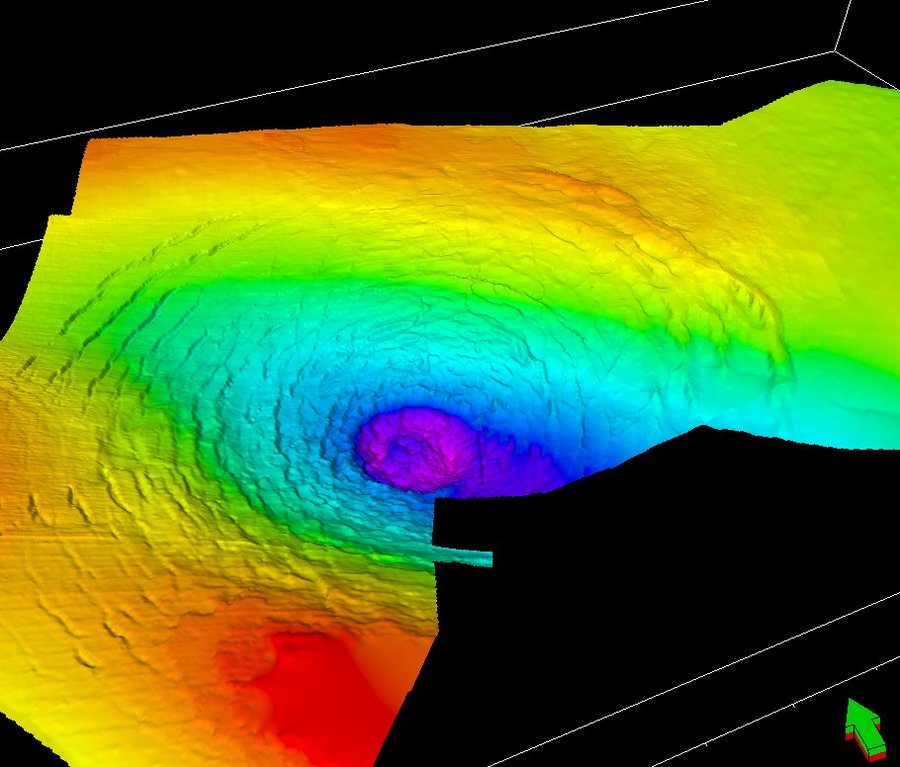
A buried crater off Yorkshire divided geologists for two decades. In 2025, shocked grains from an old well and new seismic images pointed to an asteroid or comet impact 43 to 46 million years ago. Plus a trivia round.
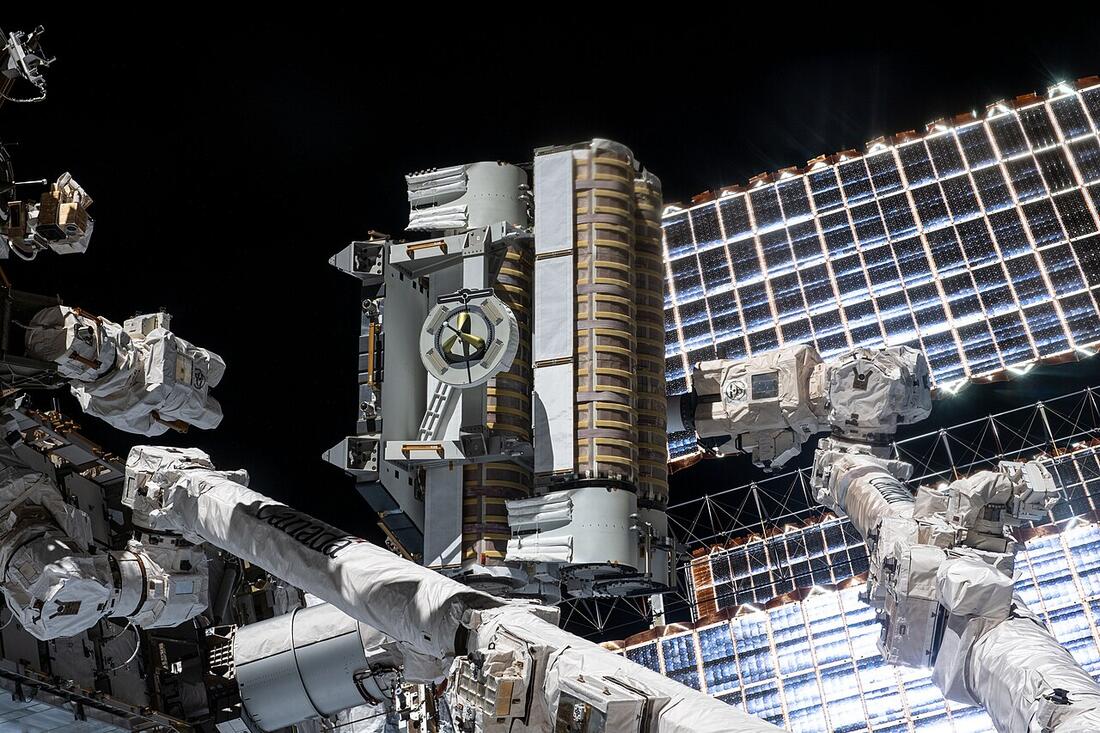
NASA plans two spacewalks, October 29 and November 5, to add the International Space Station's last roll-out solar arrays. Here is who is going, how the arrays unroll, and a trivia round.
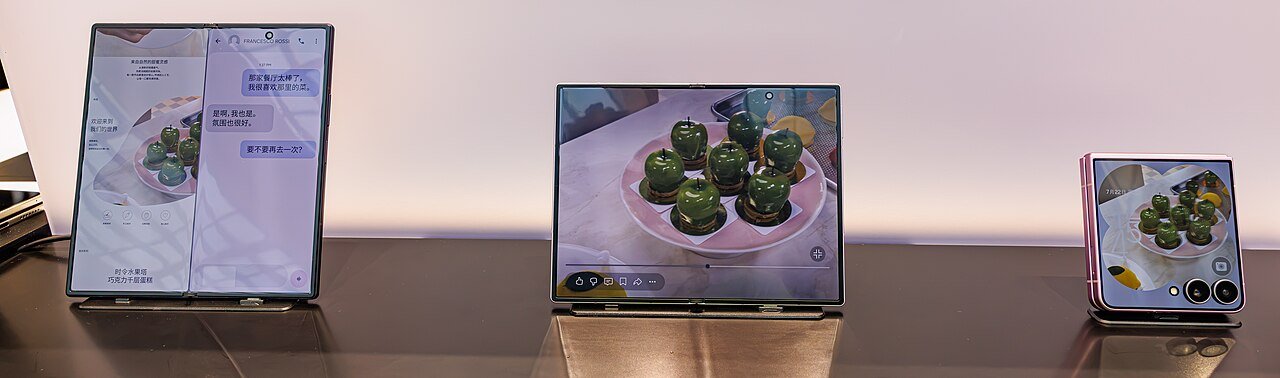
The Galaxy Z Fold8 Ultra, Fold8 and Flip8 with Samsung's own specs and launch prices, its July launch record, the TriFold, and what outlets have reported about the 2027 models, each report named and dated. Plus a trivia round.
Nvidia has not announced a GeForce RTX 60 series, including at its October 21 GTC Berlin keynote. What it has said about Rubin and the RTX 50 cards, what leakers have reported about timing, and a trivia round.

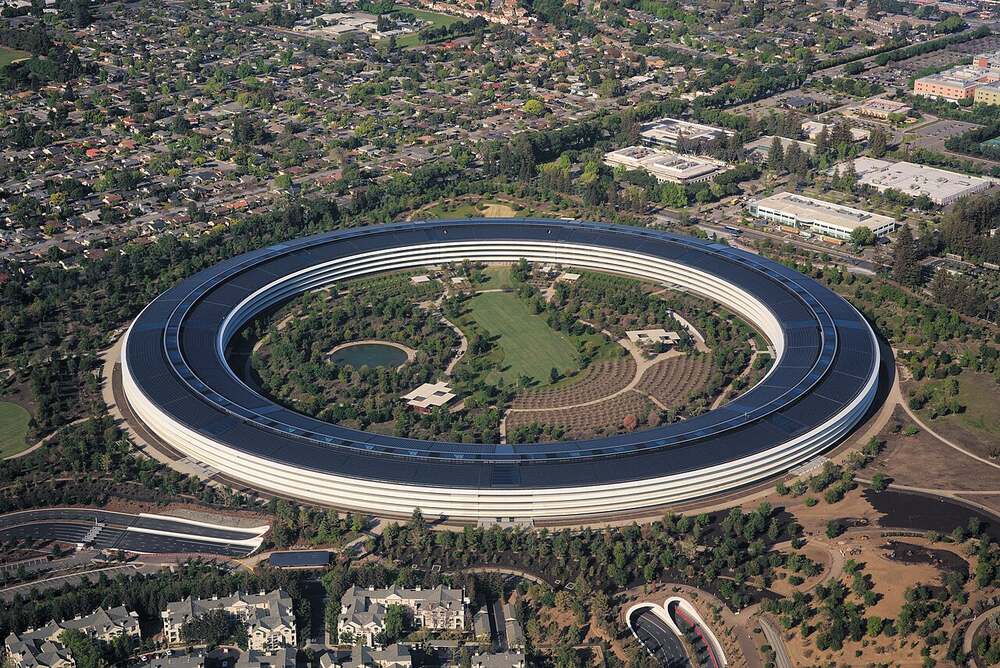
Apple's first foldable iPhone is official and went on sale October 23, with its price, size and date on Apple's own pages. The supply crunch, the January ship dates and the sales forecasts are reports. Here is which is which, plus a trivia round.
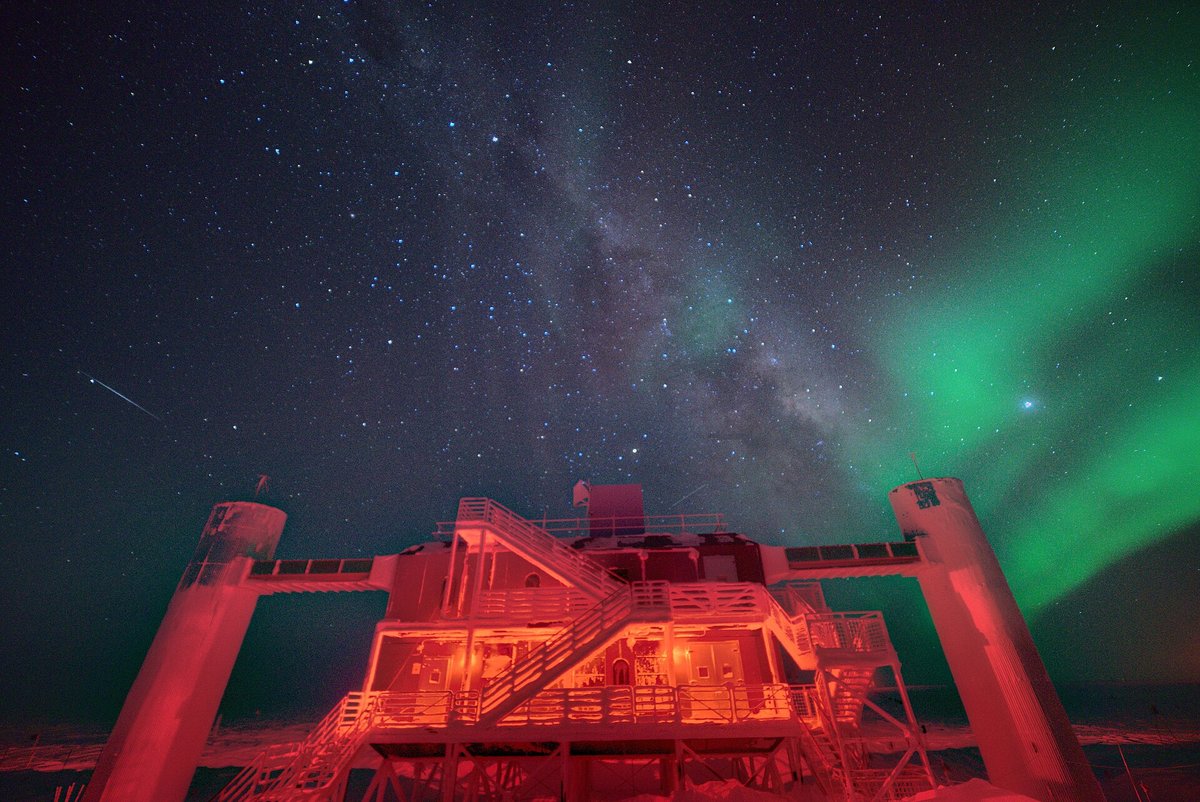
Francis Halzen won the 2026 Nobel Prize in Physics for IceCube, a neutrino telescope made from a cubic kilometer of South Pole ice that found the first high-energy neutrinos from deep space.
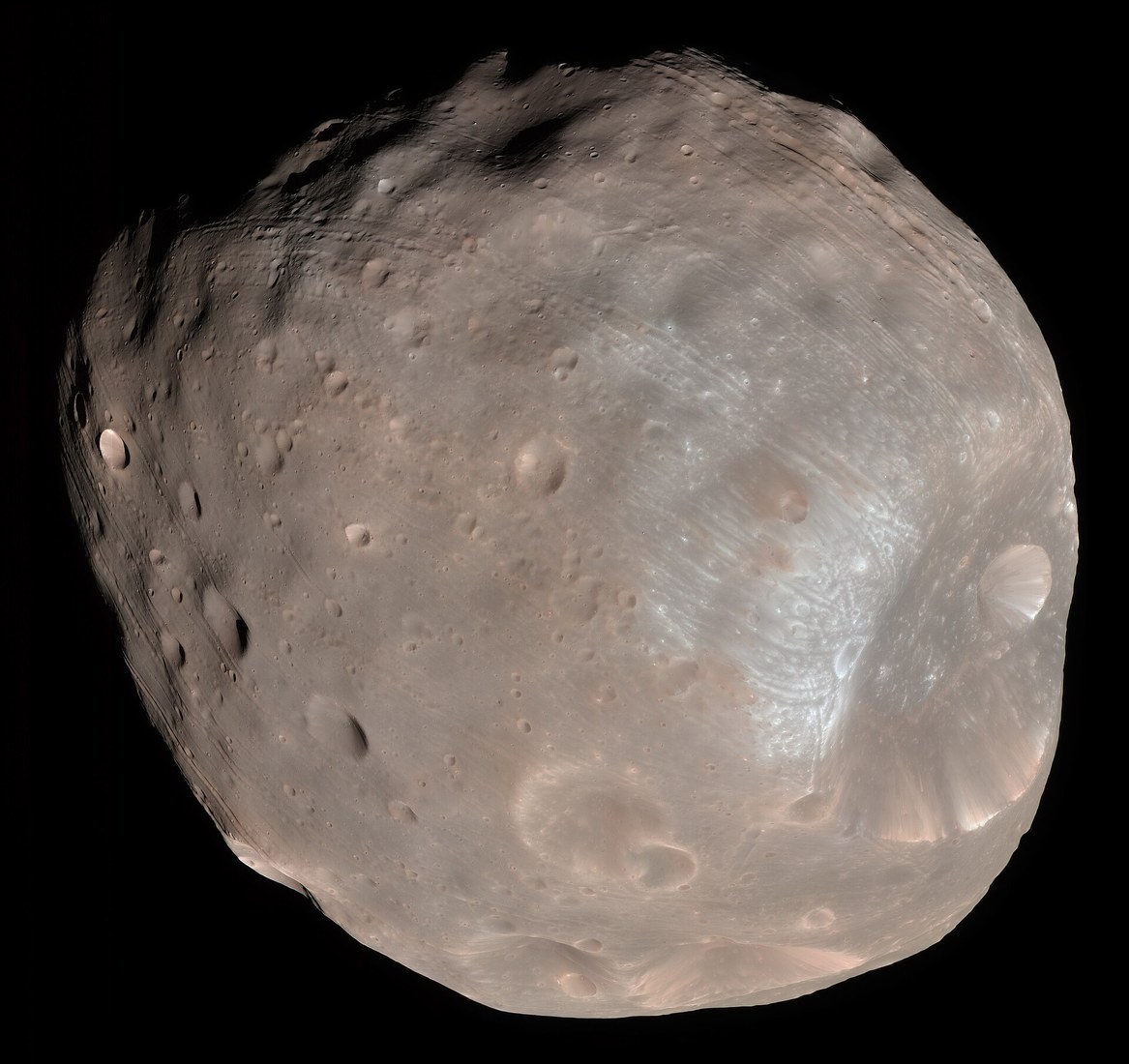
JAXA's MMX spacecraft launched on October 20, 2026 (Japan time) on its way to land on the Martian moon Phobos, collect a sample and fly it home in 2031. The mission, the Idefix rover, the origin puzzle, Japan's Hayabusa record and a trivia round.
The Orionids peaked on the night of October 21 into October 22, 2026, under a bright Moon. When to look, where to face, why the meteors come from Halley's Comet, the 1986 spacecraft fleet, Mark Twain and a trivia round.
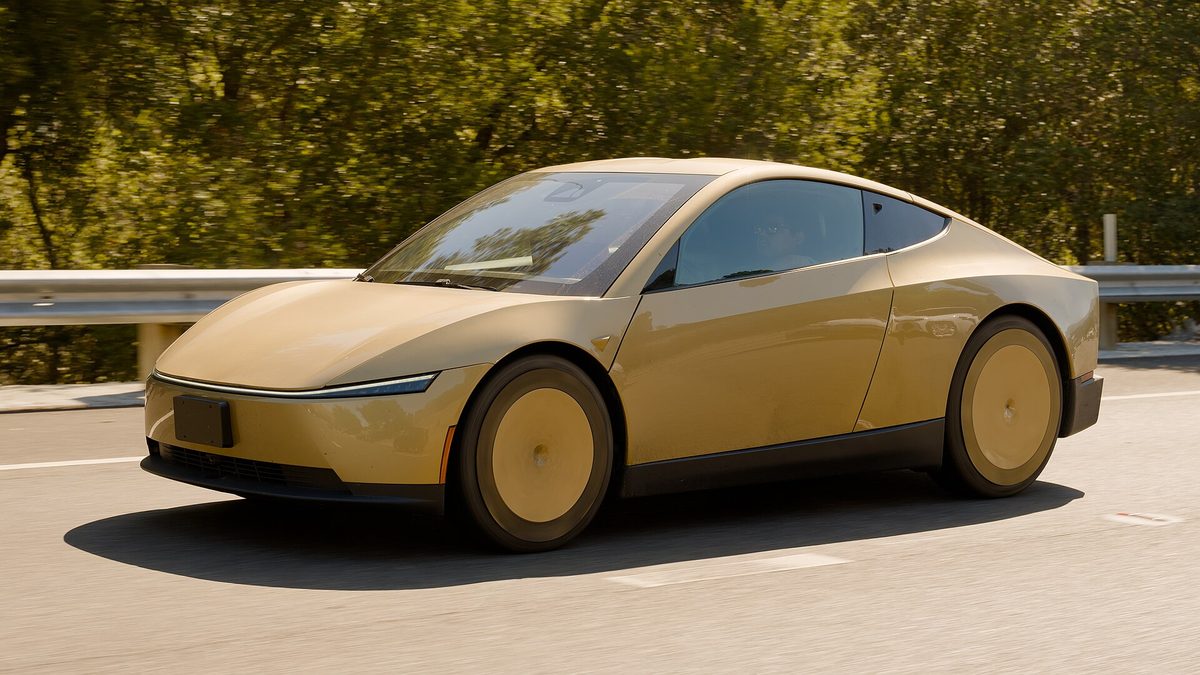
Musk says Starlink is going into Teslas wherever Starlink operates, and SpaceX just won approval for 15,000 phone satellites and agreed to buy nationwide airwaves. What is confirmed, what is reported, and a trivia round.
The MAX 7 is certified, the MAX 10 still awaits approval after a software pause, and the 777-9 is still in flight testing. The dates, the customers and who said what.