DOT Moves Flight Delay Cause Rule's Start to February 1, 2027
Key Points
- DOT published a final rule on September 3, 2026, that creates a separate reporting category for ten delay and cancellation causes Congress excluded from the Air Carrier code.
- DOT's economic analysis expects the rule to reduce how often airlines provide amenities and compensation, which airlines commit to for delays within their control, and says it cannot reliably estimate by how much.
- On October 15, 2026, DOT delayed the rule's effective date from October 19, 2026, to February 1, 2027.
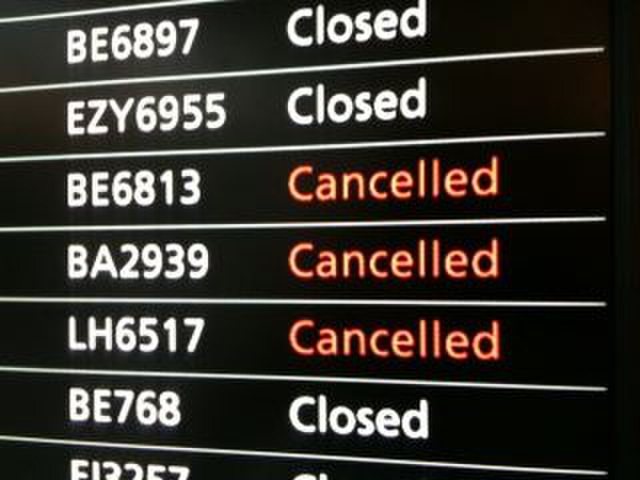

On September 3, 2026, the U.S. Department of Transportation published a final rule on how airlines report the causes of flight delays and cancellations. It was due to take effect on October 19, 20261. On October 15, DOT delayed the effective date to February 1, 20272. This is a reporting rule, and DOT's own analysis expects it to reduce how often airlines provide amenities and compensation to passengers1.
What the rule changes
Since 2002, airlines have reported to DOT each month the causes of flight delays of 15 minutes or more and of cancellations. Delays fall into five categories: Air Carrier, Extreme Weather, National Aviation System, Security and Late Arriving Aircraft1. The Air Carrier code is reserved for circumstances within the carrier's control, such as maintenance, crew scheduling or aircraft cleaning1.
The FAA Reauthorization Act of 2024 became law on May 16, 2024, and its Section 511(b) says ten events shall not be included in the Air Carrier code. The new rule adds a separate Section 511(b) reporting category for them1. The ten events, as the rule lists them, are1:
- Aircraft cleaning necessitated by the death of a passenger1.
- Aircraft damage caused by extreme weather, foreign object debris or sabotage1.
- A baggage or cargo loading delay caused by an outage of a bag system not controlled by a carrier or its contractor1.
- Cybersecurity attacks, provided the carrier complies with applicable cybersecurity regulations1.
- An unexpected shutdown or failure of government systems that directly affects an airline's ability to fly safely1.
- Overheated brakes due to a safety incident that resulted in emergency procedures1.
- Unscheduled maintenance, including in response to an airworthiness directive, that cannot be deferred or must be addressed before flight1.
- An emergency that required medical attention through no fault of the carrier1.
- The removal of an unruly passenger1.
- An airport closure due to the presence of volcanic ash, wind or wind shear1.
What it could mean for amenities and compensation
DOT's economic analysis says all reporting airlines that sell tickets commit, in their customer service plans, to providing amenities at no cost for lengthy controllable delays and controllable cancellations, and that some also commit to non-cash compensation1. Because the ten events will be excluded from the Air Carrier category once the rule takes effect, DOT expects the number of delays and cancellations for which airlines provide amenities and compensation to be reduced, and says it cannot reliably estimate by how much1.
AeroCorner reports that the rule does not touch the automatic refund for a cancelled or significantly changed flight, which comes from a separate 2024 DOT rule, and gives meals and hotels as examples of what airlines may still provide voluntarily3.
Why the start date moved
On September 21, 2026, Airlines for America, an airline trade group, asked DOT to extend the effective date to February 1, 2027, so that the new categories would apply to flights beginning January 1, 2027. The group explained that the delay would give DOT time to update the technical reporting directive of the Bureau of Transportation Statistics2. Airlines must file their reports for the whole of January 2027 in a way that reflects the new categories2. DOT said it found out only recently of the carriers' need for a delay and that there was not enough time to take comment before the rule would have taken effect2.
What is still to come
Section 511(a) of the same law separately requires the Bureau of Transportation Statistics (BTS) to begin a rulemaking on a new delay category for delays caused by instructions from the FAA Air Traffic Control System. Airlines for America has also filed a petition asking for additional changes. BTS plans to address both in future rulemaking1.
Trivia
- On what date did DOT publish the final rule in the Federal Register? September 3, 20261.
- How many events does Section 511(b) exclude from the Air Carrier code? Ten1.
- To what date did DOT delay the rule's effective date? February 1, 20272.
- Which trade group asked for the delay? Airlines for America2.
- In what year did the FAA Reauthorization Act that contains Section 511(b) become law? 20241.
Sources
- Cause of Airline Delay and Cancellation Categories Under Section 511(b) of the FAA Reauthorization Act of 2024, final rule, 91 Federal Register 56588, September 3, 2026. Accessed October 25, 2026.
- Cause of Airline Delay and Cancellation Categories Under Section 511(b) of the FAA Reauthorization Act of 2024; Delay of Effective Date, final rule, 91 Federal Register 65456, October 15, 2026. Accessed October 25, 2026.
- Tim de Vries, A New Federal Rule Narrows When Airlines Owe You a Meal or a Hotel, AeroCorner, September 5, 2026. Accessed October 25, 2026.