Nissan First Half: 80 Billion Yen Operating Profit, Net Loss
Key Points
- Nissan reported on November 11, 2026, that net sales for April to September 2026 rose 8.8 percent to 6,072.0 billion yen.
- Operating income was 80.0 billion yen, against an operating loss a year earlier, but the net loss attributable to owners was 39.7 billion yen.
- In the July to September quarter, operating income fell to 2.1 billion yen from 51.5 billion yen.
- Nissan kept its full-year profit forecast and revised its volume outlook, mainly for China.
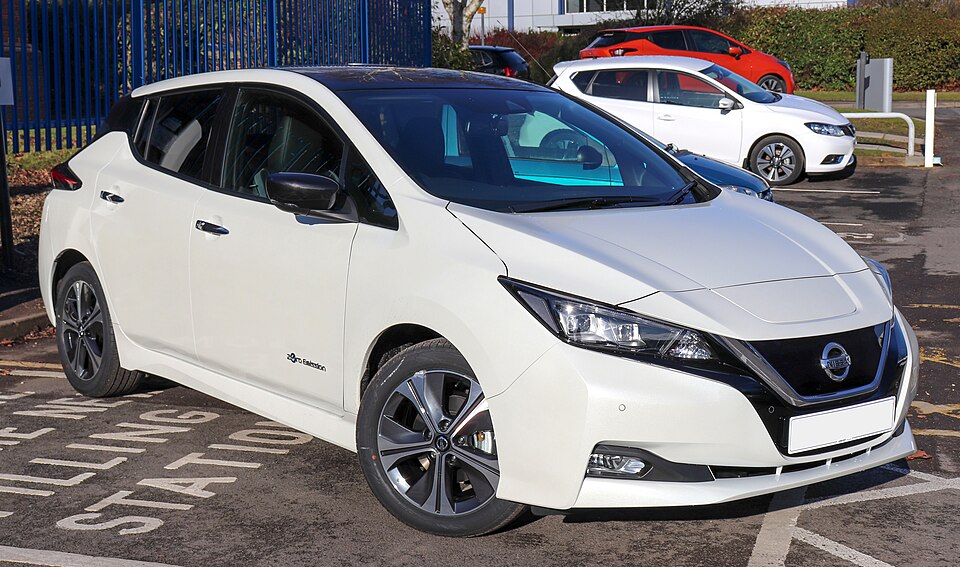

Nissan Motor Co. reported results for the six months from April 1 to September 30, 2026, on November 11, 2026. Net sales rose, the company moved from an operating loss to an operating income of 80.0 billion yen1, and it still booked a net loss of 39.7 billion yen attributable to owners of the parent1. Its full-year forecast was not changed.
The first-half numbers
Nissan's financial statements put net sales at 6,072.0 billion yen, up 8.8 percent, or 493.3 billion yen, from the same six months a year earlier1. Operating income was 80.0 billion yen, an improvement of 107.7 billion yen from last year1, when the company reported an operating loss of about 27.7 billion yen. Nissan's own explanation is that the improvement was affected by factors including favorable foreign exchange rates, as well as cost reductions in the automobile business, partially offset by an increase in raw material prices1. The company's summary table shows an average rate of 159 yen to the dollar, against 146 yen a year earlier2.
The net loss attributable to owners of the parent was 39.7 billion yen, against a loss of 221.9 billion yen a year earlier2, or a loss of 11.36 yen per share. Nissan's filing notes that these results are out of scope of review by certified public accountants or an audit firm1.
The second quarter on its own
The July to September quarter was weaker than the half-year total suggests. Net sales for the quarter were 3,107.8 billion yen, up 8.2 percent2, but operating income was 2.1 billion yen, down 95.9 percent from 51.5 billion yen in the same quarter of 20252. The quarter ended with a net loss of 43.5 billion yen, against a loss of 106.2 billion yen a year earlier2.
Where the volume came from
Group global retail sales were 1,410 thousand units, down 4.7 percent2. The company says the global industry volume decreased by 2.4 percent to 42.59 million units1 over the same period. The regions moved in different directions:
- United States: 469 thousand units, up 5.5 percent2. In its presentation Nissan lists first-half growth of 31 percent for the Rogue, 36 percent for the Frontier and 12 percent for the Pathfinder3.
- Japan: 197 thousand units, up 6.3 percent2. Nissan says the Elgrand and the Kicks had received 11,000 and 20,000 orders respectively by the end of October3.
- China: 237 thousand units, down 15.0 percent2. The presentation describes lower demand and a faster than expected shift to new energy vehicles3 and says China's total industry volume fell 22 percent in the half.
Nissan's own note says its China and Taiwan sales figures are results for the January to December period2, so the China line is not a strict April to September count.
Operating income by region also split. North America earned 114.0 billion yen against 2.5 billion yen a year earlier2, while Europe recorded an operating loss of 50.7 billion yen2.
Cash, costs and the outlook
Free cash flow in the automobile business was negative 492.9 billion yen, an improvement of 99.9 billion yen from last year1. Net cash for the automobile business at September 30 was 831.2 billion yen, down 339.2 billion yen from the end of the prior fiscal year1. Nissan says its Re:Nissan cost program delivered 110 billion yen of savings in the first half and 365 billion yen of cumulative reductions since the program launched3.
For the year ending March 31, 2027, Nissan kept its forecast of 13,000.0 billion yen in net sales, 200.0 billion yen in operating income and 20.0 billion yen in net income, with no dividend1. The filing notes that the forecast is based on judgements and estimates made using currently available information1 and that results could differ significantly. What did change is volume: the presentation says the volume outlook was revised primarily to reflect market conditions in China3, and the summary table now shows global retail sales of 2,970 to 3,000 thousand units2 for the year.
This article reports the company's own figures as published on November 11, 2026, and does not predict how the second half will go. The figures above come from Nissan's financial results filing, its summary tables and its results presentation, all published November 11, 2026, and this site earns nothing from any link on the page.
Trivia
- On what date did Nissan publish these first-half results? November 11, 20261.
- What was Nissan's operating income for the six months to September 30, 2026? 80.0 billion yen1.
- In which of the three markets named above did Nissan's retail sales fall 15.0 percent? China2.
- How many thousand units did Nissan retail in the United States in the first half? 469 thousand2.
- How much has Nissan said the Re:Nissan program has cut in cumulative costs since it launched? 365 billion yen3.
Sources
- Financial Results for the Six Months Ended September 30, 2026 (Japanese Accounting Standards) (Consolidated), Nissan Motor Co., Ltd., November 11, 2026. Accessed November 15, 2026.
- Consolidated Financial Information, FY2026 H1 summary tables, Nissan Motor Co., Ltd., November 11, 2026. Accessed November 15, 2026.
- FY2026 First Half Financial Results presentation, Nissan Motor Co., Ltd., November 11, 2026. Accessed November 15, 2026.