Rolling Stone's First Issue Is Dated November 9, 1967
Key Points
- The first issue of Rolling Stone carries the cover date November 9, 1967, which falls on Monday, November 9, 2026.
- Its cover showed John Lennon as Private Gripweed from How I Won the War, and its lead story asked where the money from the Monterey Pop Festival went.
- Jann Wenner said he borrowed $7,500 to start the magazine, working from a loft at 746 Brannan Street in San Francisco.
- Wenner recalled printing 40,000 copies and 35,000 coming back, a figure from his own memory for CBS News.
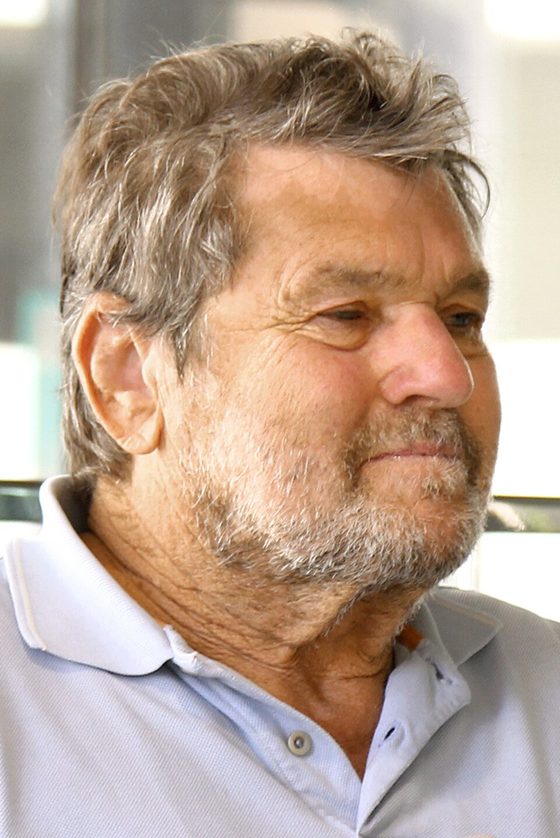

The first issue of Rolling Stone carries the cover date November 9, 19671. That date falls on Monday, November 9, 2026, the anniversary of a San Francisco magazine that began as a mix of record reviews, band news and a hard look at where a famous festival's money went. Editor Jann Wenner and music critic Ralph J. Gleason launched it in late 1967, a few months after the Summer of Love1.
The issue is worth a closer look because so much of what the magazine later became is already there: a film star on the cover, a music-business investigation up front, album reviews in the back and a founder's letter that tells readers what the whole thing is for.
What was on the front page
The cover lines listed for issue #1 are John Lennon, How I Won the War, and The High Cost of Love and Music: Where's the Money from Monterey?1 Rolling Stone's own fiftieth anniversary history says the lead story was about missing money from the Monterey Pop Festival4, and that Wenner wanted investigative reporting from the start.
The cover photograph showed Lennon as Private Gripweed, the character he played in How I Won the War2. The magazine's anniversary history describes the image as Lennon in his World War II serviceman outfit from Richard Lester's film, and quotes Wenner saying it was the best thing the staff had4.
Inside the first issue
The music reviews in issue #1 covered records by Arlo Guthrie and Traffic1. The uDiscover Music account adds an interview with Donovan, a San Francisco photo story on the Grateful Dead and London coverage of The Who and Pink Floyd2. A story headlined Byrd Is Flipped told how Jim McGuinn removed David Crosby from The Byrds2.
That account describes the publication as sort of a magazine and sort of a newspaper2. PBS describes the original as newsprint1, and Wikipedia calls the early issues a tabloid-sized newsprint publication5.
The letter from the editor
Wenner opened his letter in the first issue by writing that readers were probably wondering what the staff were trying to do2. He wrote that the staff had begun a new publication reflecting what they saw as the changes in rock'n'roll2.
According to uDiscover Music, Wenner explained the name by pointing to the old saying that a rolling stone gathers no moss2. That account adds that Muddy Waters used the phrase for a song, that The Rolling Stones took their name from that song, and that Like a Rolling Stone was the title of Bob Dylan's first rock and roll record2. Rolling Stone's anniversary history, though, says the name came from Gleason's essay Like a Rolling Stone in The American Scholar4, and CBS News describes Gleason as the magazine's mentor figure who suggested the name3. The accounts differ on where the name came from, and this article does not settle it.
How it was made
Rolling Stone's anniversary history describes a team that was small and mostly volunteers, working from a loft at 746 Brannan Street in San Francisco4. The loft's owner offered free space in exchange for the staff using the owner's printing services4. The same history names Baron Wolman as the staff photographer, who agreed to work for stock in the company and the rights to his photographs4.
Looking back for CBS News, Wenner said he borrowed $7,500 from his mother, his mother-in-law, his stepmother, a friend from Berkeley and Gleason3. The anniversary history gives the same $7,500 total and says investors included Wenner's own parents and Gleason4. It also describes Wenner, then 21, as a Berkeley dropout4.
The print run
Wenner told CBS News that he printed 40,000 copies of the first issue, and recalled that 35,000 of them were shipped back3. That figure is his memory decades later, and no second count appears in the sources, so treat it as his account rather than an audited number.
A date that depends on who you ask
Issue #1 is labeled November 9, 19671, and CBS News captions its image of the first issue with the same date3. Rolling Stone's anniversary history says the issue was ready for print in October 1967 while its image caption gives November 94, and the article does not explain the gap. The safest wording is the one used here: the first issue is dated November 9, 1967.
PBS lists the price as 35 cents1, while uDiscover Music says 25 cents2. The two sources disagree, so the price of the first copy is left as an open question here.
After San Francisco
In 1977 the magazine moved its headquarters from San Francisco to New York City5.
Trivia
- Which musician was on the cover of the first issue? John Lennon, shown as Private Gripweed from How I Won the War2.
- At what San Francisco street address was the first office, a loft? 746 Brannan Street4.
- How much money did Wenner say he borrowed to start the magazine? $7,5003.
- Which band's membership change was the subject of the story headlined Byrd Is Flipped? The Byrds, after Jim McGuinn removed David Crosby2.
- In what year did the magazine move its headquarters to New York City? 19775.
Sources
- Rolling Stone Issue #1, The Sixties, PBS (OPB). Accessed November 7, 2026.
- On The Cover Of The Rolling Stone, uDiscover Music. Accessed November 7, 2026.
- Jann Wenner on Rolling Stone magazine at 50, CBS News. Accessed November 7, 2026.
- Rolling Stone at 50: Making the First Issue, Rolling Stone (Australia edition). Accessed November 7, 2026.
- Rolling Stone, Wikipedia. Accessed November 7, 2026.