NASA Recasts Artemis III as a 2027 Earth-Orbit Test of Moon Landers
Key Points
- NASA says Artemis III will launch in 2027 with four astronauts to low Earth orbit to practice docking with test versions of the landers Blue Origin and SpaceX are building.
- NASA calls Artemis IV the first Artemis mission on the lunar surface, with the agency aiming to land astronauts in 2028.
- Based on lander readiness, NASA will decide whether Blue Origin or SpaceX carries the first crew to the surface.
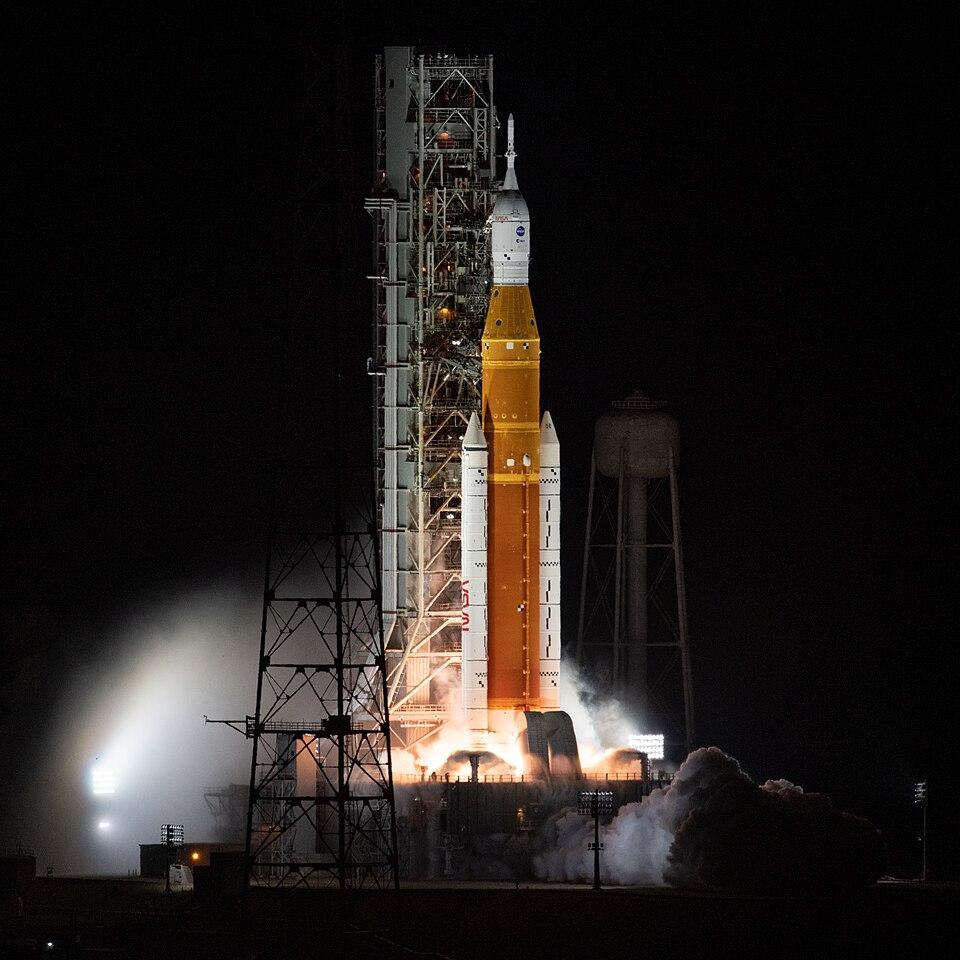

On Friday, October 23, 2026, NASA Administrator Jared Isaacman and other agency leaders laid out how the agency plans to land American astronauts on the Moon in 20281. The update covered Artemis III and the work to prepare Artemis IV, which NASA calls the first Artemis mission on the lunar surface. Artemis III was once meant to carry a Starship landing, and NASA has redefined it as a test of rendezvous and docking in low Earth orbit3.
Artemis III stays in Earth orbit
Artemis III is set to launch in 2027 with NASA astronauts Randy Bresnik, Frank Rubio and Andre Douglas and ESA astronaut Luca Parmitano aboard Orion, bound for low Earth orbit2. Over a planned 14 days, the crew and flight controllers will practice rendezvous, docking, habitation and other procedures with test versions of the landers that Blue Origin and SpaceX are building. NASA says the point is to lower risk and prove the hardware before it tries a crewed landing.
Jeremy Parsons, NASA’s Artemis program manager, said the mission will launch three spacecraft on three different rockets and test how they work together, something NASA has never attempted2.
Two dockings, two landers
The mission begins with Blue Origin launching a test version of its Blue Moon Mark 2 lander into a circular orbit about 273 miles above Earth, where it can stay for up to 30 days2. NASA plans to launch Orion on its SLS rocket from Kennedy Space Center days later, once the lander is confirmed healthy and ready. After docking, astronauts will spend about two days inside the Blue Moon test version, checking its cabin, controls and life-support systems.
Next comes SpaceX. A test version of Starship Version 3 will launch from Florida into a lower orbit, and Orion will dock with it for a test expected to last up to two hours, with the crew staying out of Starship2. Orion then has up to five more days in orbit for other tests before splashing down in the Pacific Ocean off California, where NASA personnel and the U.S. Navy will recover the crew.
How the 2028 landing changes
NASA says the landers and Orion will no longer meet in the orbit around the Moon that NASA had planned (a near-rectilinear halo orbit). Instead, each company gets its own meeting orbit3. Both companies must fly an uncrewed demonstration with their crewed landers first, and NASA will certify the systems before any crewed mission.
SpaceX still plans to refuel in orbit, with a series of tanker Starships filling a depot Starship in low Earth orbit. Under the revised plan, the Starship lander will dock with Orion in Earth orbit and then push the docked pair to low lunar orbit, and NASA is modifying Orion to allow this3. Blue Origin, for its part, will put off refueling in orbit and instead use three transfer stages to send its Blue Moon Mark 2 Alpha lander to an elliptical polar orbit around the Moon.
Based on lander readiness, NASA will decide which company is first selected to carry astronauts to the surface and back in 2028, with a second crewed landing opportunity to follow3. NASA is targeting two Moonwalks of about two hours each on the first surface missions, in spacesuits from Axiom Space. Under the original contracts, Starship was assigned to Artemis III and IV and Blue Moon to Artemis V. Now neither lander is tied to a specific landing mission.
Trivia
- Which ESA astronaut is assigned to Artemis III? Luca Parmitano2.
- How long is the Artemis III mission planned to last? 14 days2.
- How long can the Blue Moon test version stay in orbit? Up to 30 days2.
- Which mission does NASA call the first Artemis mission on the lunar surface? Artemis IV1.
- Under the original contracts, which mission was Blue Moon assigned to? Artemis V3.
Sources
- NASA Shares Artemis Acceleration Plans for Moon Missions, NASA, October 23, 2026. Accessed October 24, 2026.
- NASA’s Artemis III Mission to Test Future Moon Lander Operations, NASA, October 23, 2026. Accessed October 24, 2026.
- NASA, Partners Accelerate Lander Development for 2028 Moon Missions, NASA, October 23, 2026. Accessed October 24, 2026.