October 2026 Jobs Report: 165,000 Added, Unemployment 4.1%
Key Points
- The Bureau of Labor Statistics reported on November 6, 2026 that total nonfarm payroll employment rose by 165,000 in October, and the unemployment rate changed little at 4.1 percent.
- August was revised up by 53,000 to +186,000 and September by 31,000 to +60,000, a combined 84,000 higher than previously reported.
- Employment increased in professional and business services, health care, and transportation and warehousing.
- Average hourly earnings for all private nonfarm employees rose 14 cents, or 0.4 percent, to $38.00, and are up 3.1 percent over the 12 months ending in October.
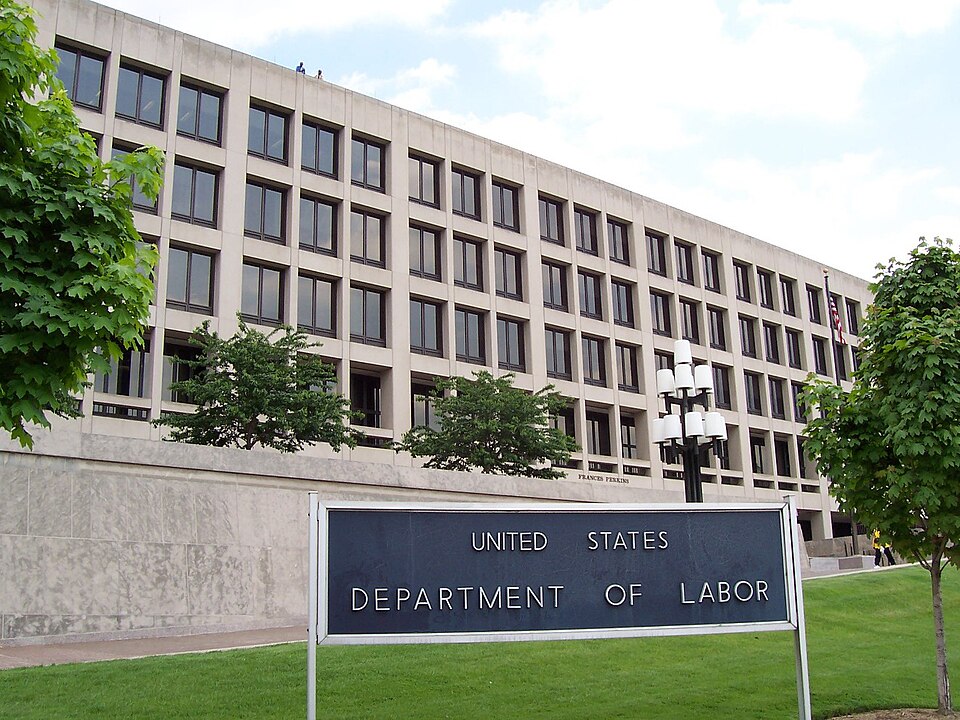

Total nonfarm payroll employment rose by 165,000 in October 20261, and the unemployment rate changed little at 4.1 percent1, the U.S. Bureau of Labor Statistics reported in its Employment Situation release on Friday, November 6, 2026, at 8:30 a.m. ET. This page walks through what the release says, which numbers are survey estimates and which are revisions, and ends with five trivia questions.
Everything below comes from that one release. Where a figure is a change from the month before, it says so, and where the Bureau calls a change small, this page uses its wording.
Two surveys, two sets of numbers
The release presents statistics from two monthly surveys1. The household survey measures labor force status, including unemployment, by demographic characteristics. The establishment survey measures nonfarm employment, hours, and earnings by industry. The 165,000 payroll gain comes from the establishment survey, and the 4.1 percent unemployment rate comes from the household survey, so the two figures answer different questions: how many jobs employers report, and how many people say they are looking for work.
The payroll gain
The October gain of 165,000 was higher than the average monthly gain of 48,000 over the prior 12 months1, according to the release. By industry, employment increased in professional and business services, in health care, and in transportation and warehousing1. The release gives the October changes as professional and business services up 70,000, health care up 42,000, and transportation and warehousing up 25,000. Manufacturing is listed at up 19,0001. The Bureau describes the other major industries, including construction, retail trade and government, as showing little change over the month.
These payroll numbers are estimates from a survey of employers, not a count of every job, which is why the Bureau revises them as more reports arrive.
Revisions to August and September
Revisions matter in this release. August was revised up by 53,000, from +133,000 to +186,0001, and September was revised up by 31,000, from +29,000 to +60,0001. Together, the Bureau says, August and September are 84,000 higher than previously reported1. The release attributes monthly revisions to late reports from businesses and government agencies and to recalculated seasonal factors. In plain terms, the earlier readings for those two months were lower than the later ones, and September in particular moved from +29,000 to +60,000.
Unemployment and the household survey
Both the unemployment rate, at 4.1 percent, and the number of unemployed people, at 7.1 million1, changed little in October, per the release. The labor force participation rate was 61.9 percent and the employment-population ratio was 59.3 percent. The Bureau counts people as unemployed only if they actively looked for work in the four weeks before the survey or were on temporary layoff.
Among the major worker groups, the release lists these unemployment rates for October: adult men 3.9 percent, adult women 3.6 percent, teenagers 13.9 percent, White workers 3.7 percent, Black workers 6.6 percent, Asian workers 2.8 percent and Hispanic workers 4.7 percent. The Bureau describes the October moves in these rates as little or none. Long-term unemployed workers, those jobless for 27 weeks or more, numbered 2.0 million, or 27.6 percent of all unemployed people1.
Pay and hours
Average hourly earnings for all employees on private nonfarm payrolls rose 14 cents, or 0.4 percent, to $38.001 in October. Over the 12 months ending in October, the release says they rose 3.1 percent. For production and nonsupervisory employees, hourly earnings rose 12 cents, or 0.4 percent, to $32.75.
On hours, the average workweek for all employees on private nonfarm payrolls was 34.4 hours, unchanged1. For production and nonsupervisory employees it was 33.8 hours, down 0.1 hour, and in manufacturing it was 40.5 hours, unchanged.
Reading the numbers
A single month of data is a snapshot. The payroll gain, the unemployment rate and the earnings change all come from surveys, and the release itself shows that earlier months can be revised by tens of thousands of jobs. Comparing 165,000 with the 12-month average of 48,000 uses the Bureau's own comparison, and this page draws no forecast from it and gives no advice about spending, saving or investing. The next report, for November 2026, is scheduled for Friday, December 4, 2026, at 8:30 a.m. ET1.
Trivia
- How many jobs did total nonfarm payroll employment add in October 2026, according to the Bureau of Labor Statistics? 165,000.1
- What was the unemployment rate for October 2026, and how many people were unemployed? 4.1 percent, or 7.1 million people.1
- By how much was August 2026 revised, and what were the old and new figures? Up 53,000, from +133,000 to +186,000.1
- Which industry added the most jobs in October 2026, and how many? Professional and business services, up 70,000.1
- What were average hourly earnings for all private nonfarm employees in October 2026, and how much did they rise over the 12 months ending in October? $38.00, up 14 cents in the month, and up 3.1 percent over 12 months.1
Sources
- U.S. Bureau of Labor Statistics, The Employment Situation, October 2026 (November 6, 2026). Accessed November 6, 2026.