NSW Passes Law Creating the Great Koala National Park
Key Points
- The NSW Parliament passed the law creating the Great Koala National Park on October 23, 2026, adding 178,000 hectares of state forest and other Crown land to the national parks estate.
- The government says the transferred area is home to "around 12,000 koalas" and more than 100 other threatened species.
- Koalas in Queensland, New South Wales and the Australian Capital Territory have been listed as endangered under federal law since 12 February 2022.
- The government says the park is on track to open before the end of 2026.
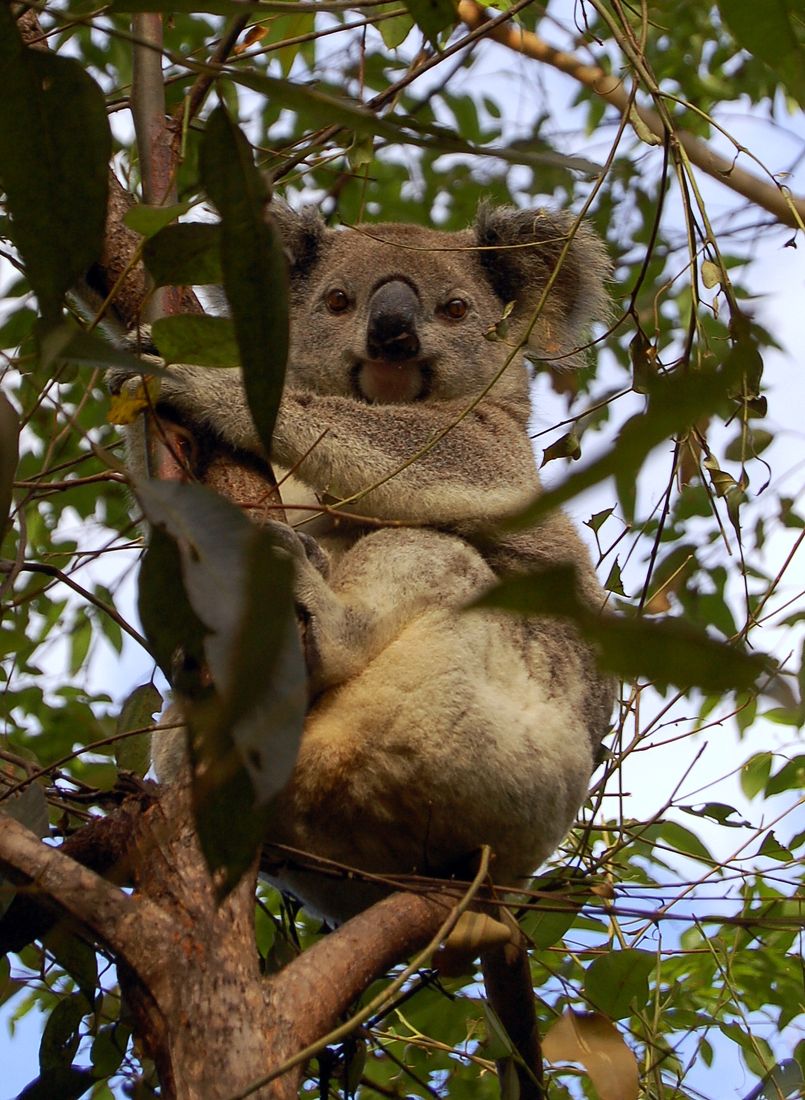

The New South Wales Parliament passed the law that creates the Great Koala National Park2 on October 23, 2026. The bill adds 178,000 hectares of state forest and other Crown land (about 687 square miles) to the state's national parks estate, and the government says the park is on track to open before the end of 2026.
What the law does
The bill is the National Park Estate (Great Koala National Park Reservations) Bill 20264, according to the NSW National Parks and Wildlife Service (NPWS). The new reserves will be a mix of national parks, nature reserves, regional parks and Aboriginal Areas, with most of the area national park, and the bill proposes names from traditional languages for the reserves.
The new land joins existing reserves on the Mid North Coast. Together they form one of the largest protected areas in NSW2, spanning more than 475,000 hectares (roughly 1,830 square miles), the government release says. The ABC put the combined park at about 478,000 hectares between Kempsey and Grafton1. The ABC also reported that the Legislative Council debated the bill for more than 14 hours and considered about 160 amendments.
"This is a defining moment for conservation in NSW," Environment Minister Penny Sharpe said in the October 23 release2.
Why koalas
The government says the transferred area is home to around 12,000 koalas2 and more than 100 other threatened species. NPWS lists 66 threatened animal species and 37 threatened plant species4 in the area, including gliders, glossy black cockatoos and spider orchids. When the boundary was announced in September 2025, the government said the park would also protect 36,000 greater gliders3.
Koalas in Queensland, New South Wales and the Australian Capital Territory have been listed as endangered under the federal Environment Protection and Biodiversity Conservation Act since 12 February 20225, when their status was raised from vulnerable, the Environmental Defenders Office reported. NPWS says koalas are endangered in NSW and that, without action, koalas are on track to be extinct in the wild in NSW by 20504.
That 2050 warning goes back at least six years. When its report came out on 30 June 2020, committee chair Cate Faehrmann said "without urgent government intervention the koala will become extinct in NSW before 2050," and named the Great Koala National Park on the mid-north coast6 as one of two new parks the committee wanted the government to investigate.
The park area is also significant to the Gumbaynggirr and Dunghutti peoples4, NPWS says, and an Aboriginal Advisory Panel is helping shape its future. The government says those communities will continue to guide its management2.
A proposal that took three elections
Labor took the park to the 2015 and 2019 state elections1 without winning, the ABC reported, and made it a key promise again at the 2023 state election.
On 7 September 2025, National Threatened Species Day, the government announced the proposed boundary: 176,000 hectares of state forest3 joined to existing parks to make a 476,000 hectare reserve. A temporary moratorium on timber harvesting inside that boundary took effect the next day, 8 September 2025. The government said it would affect 6 of more than 25 timber mills in the region and about 300 jobs.
The same release set out the money. NPWS was to get an extra A$60 million (about US$42 million at the Reserve Bank of Australia's 23 October 2026 rate7 of US$0.7006) to establish the park, on top of A$80 million announced in 20233 (about US$56 million), plus A$6 million (about US$4.2 million) for tourism and small business opportunities on the Mid North Coast. The area has grown slightly since then, and the October 2026 release gives 178,000 hectares.
The carbon credit step
In 2025 the government said the park's final creation depended on registering a carbon project under the federal Improved Native Forest Management method3. The ABC reported that the federal approval lets the state generate carbon credits for ending native forest logging in the state forest areas, and that on Thursday, October 22, the Clean Energy Regulator announced it had registered the project, designating more than 117,000 hectares1 (about 450 square miles) for carbon protection. The government says credits from the project will not be available to coal and gas projects2.
Workers and the timber industry
The government release describes a support package for affected workers and businesses that includes redundancy payments, retraining, upskilling2 and other financial assistance. About 100 new NPWS jobs are being created for park operations, fire management and conservation, eligible Forestry Corporation of NSW employees can move into NPWS roles if they choose, and eight Aboriginal rangers will be employed through community-controlled organisations.
The industry has felt the change already. The ABC reported that the Forestry Corporation of NSW said it would cut more than 30 jobs in Coffs Harbour1, linked to the park. Timber NSW president Andrew Hurford told the ABC the logging ban had a "creeping impact" on the industry, with staff laid off and support firms left with no forward orders.
Conservationist Ashley Love told the ABC the park was "a big step forward"1, while pointing to gaps and connectivity problems in the area, and said he would keep pushing for more of the surrounding forest to be protected.
What happens next
As of October 25, 2026, NPWS says it has started recruiting for about 100 additional roles, and the government expects the park to commence before the end of 20264. Plans of management under the National Parks and Wildlife Act 1974 will guide long-term management, with opportunities for community input, and NPWS says an updated interactive map will be available shortly. Existing activities such as bushwalking, camping, cycling, 4WD touring, horse riding and motorbike riding will continue where they are lawful and safe.
Trivia
- Which is the largest national park in New South Wales? Kosciuszko National Park9, which stretches from Jindabyne to Tumut, according to NPWS.
- In what year was Royal National Park established? 187910, which NPWS says makes it the world's second-oldest national park.
- What are the koala's closest relatives? Wombats8, according to the Australian Museum.
- What is the koala's scientific name? Phascolarctos cinereus8, in the family Phascolarctidae.
- About how long does a koala joey stay in its mother's pouch before it is gradually weaned from milk? About six months8, the Australian Museum says.
- Which other new national park did the 2020 NSW upper house koala inquiry ask the government to investigate? A Georges River National Park6 in Sydney's South West.
- How much koala habitat burned across NSW, Queensland and the ACT in the 2019 to 2020 bushfire season? 3.5 million hectares5, according to the Environmental Defenders Office.
- About an hour from Coffs Harbour, which World Heritage-listed national park has its rainforest centre at The Glade picnic area? Dorrigo National Park11, part of the Gondwana Rainforests of Australia World Heritage Area.
Sources
- Samuel O'Brien, Great Koala National Park established after more than a decade of campaigning, ABC Coffs Coast, 23 October 2026. Accessed October 25, 2026.
- NSW Government, Historic day for koalas as landmark legislation passes NSW Parliament, ministerial media release, 23 October 2026. Accessed October 25, 2026.
- NSW Government, The Great Koala National Park, ministerial media release, 7 September 2025. Accessed October 25, 2026.
- NSW National Parks and Wildlife Service, Great Koala National Park. Accessed October 25, 2026.
- Cerin Loane, Koalas formally declared at greater risk of extinction in NSW, QLD and ACT following 2019-2020 bushfires: update and summary of implications, Environmental Defenders Office, 15 February 2022. Accessed October 25, 2026.
- NSW Legislative Council Portfolio Committee No 7, Planning and Environment, Koala Report Release must be a Gamechanger for More Habitat Protection or Koalas on Track for Extinction, media release, 30 June 2020. Accessed October 25, 2026.
- Reserve Bank of Australia, Exchange Rates, daily table. Accessed October 25, 2026.
- Koala, The Australian Museum. Accessed October 25, 2026.
- Kosciuszko National Park, NSW National Parks and Wildlife Service. Accessed October 25, 2026.
- Royal National Park, NSW National Parks and Wildlife Service. Accessed October 25, 2026.
- Dorrigo National Park, NSW National Parks and Wildlife Service. Accessed October 25, 2026.