India Caps Trade Margins on 137 Cancer Drugs, Effective November 9
Key Points
- On October 17, 2026, India's National Pharmaceutical Pricing Authority capped trade margins on 137 non-scheduled anti-cancer drugs at 30%, with the new prices effective November 9, 2026.
- The ministry expects retail prices to fall by up to 70%, depending on each drug's current price structure.
- The Guardian reported that India's supreme court, hearing a case begun by a Kerala breast cancer patient, called the markups "carnage" and "extortion."
- The supreme court has asked the government why the cap covers only cancer drugs, with a response due October 27, 2026.

India has capped what distributors, pharmacies and hospitals can add to the price of 137 cancer drugs. On Saturday, October 17, 2026, the National Pharmaceutical Pricing Authority (NPPA) announced trade margin rationalisation1 for the medicines, and the new prices take effect on November 9, 2026. The ministry expects retail prices to fall by up to 70%, depending on how each drug is priced now.
What the rule does
The NPPA works under the Department of Pharmaceuticals. It capped trade margins on the 137 non-scheduled anti-cancer formulations at 30 per cent2, using Paragraph 19 of the Drugs (Prices Control) Order, 2013, after a gazette notification issued the same Saturday. Trade margins are the markups added in the distribution and retail channels. An expert committee set up under the Directorate General of Health Services, made up of oncologists, medical specialists, hospital experts and government officials, recommended the 137 drugs2, and the list is to be updated periodically.
The ministry said retailers and hospitals must charge the reduced prices and display them1 in their pharmacies, and that patients can check revised prices on the Pharma Sahi Daam app and the NPPA website. State drug controllers are to enforce compliance1 among manufacturers, dealers, retailers, hospitals and medical institutions. According to the ministry statement, drugmakers must also publish revised price lists on their websites2, and must keep production and supply at current levels so the medicines stay available.
A margin cap with a 2019 precedent
The step builds on a pilot. In 2019 the NPPA capped trade margins on 42 anti-cancer drugs at 30%, and the ministry says that exercise was followed by MRP reductions of up to 90% across 526 brands1 of non-scheduled anti-cancer medicines. The ministry describes the new measure as one meant to control excessive margins in distribution and retail while protecting legitimate manufacturer revenue and preventing artificial shortages1.
The court case behind it
The Guardian reported on October 23, 2026 that the change was prodded by findings of India's supreme court3. The case began with Sarojam Radhakrishnan, a former bank employee in Kerala who was diagnosed with breast cancer in 2021. Her prescribed targeted treatment cost more than 63,000 rupees (about £500) a month, and in 2022 she filed a petition in the Kerala high court asking the government to step in. When the case reached the supreme court, the judges called the situation "carnage" and "extortion." At a hearing on September 29, 2026, they noted that a life-saving cancer drug supplied to hospitals at 2,700 rupees carried a marked-up price of 27,000 rupees. Radhakrishnan died in September 2022, while the Kerala case was still pending.
The Guardian also reported that analysis by the NPPA found trade markups on some cancer drugs averaging 170%, with extreme examples above 700%3. A 30% cap on 42 drugs had been in place for some years, and the government has now extended it to 137 others. A Department of Pharmaceuticals statement quoted by the paper expects the measure to help cancer patients save 2,500 crore rupees (about £199 million) a year3 in out of pocket spending.
What is still open
The supreme court has asked the government why the cap applies only to cancer drugs and not to all non-patented drugs, and gave it until October 27, 2026 to respond, the Guardian reported. The paper also quoted Jyotsna Singh of the Working Group on Access to Medicines and Treatments, who said companies and hospitals were likely to look for legal loopholes and that hospitals might offset lower drug prices by raising charges on other items. The Guardian put India's yearly total at about 1.56 million new cancer cases, up from 1.39 million in 20203. The ministry says the fall will depend on each drug's existing price structure, hence "up to" 70%.
Trivia
- At what percentage did the NPPA cap trade margins on the 137 drugs? 30 per cent2, under Paragraph 19 of the Drugs (Prices Control) Order, 2013.
- In the 2019 pilot, MRP cuts of up to 90% followed across how many brands? 526 brands1 of non-scheduled anti-cancer medicines, after margins on 42 drugs were capped at 30%.
- Which app can patients use to check revised drug prices? The Pharma Sahi Daam app1, alongside the NPPA website.
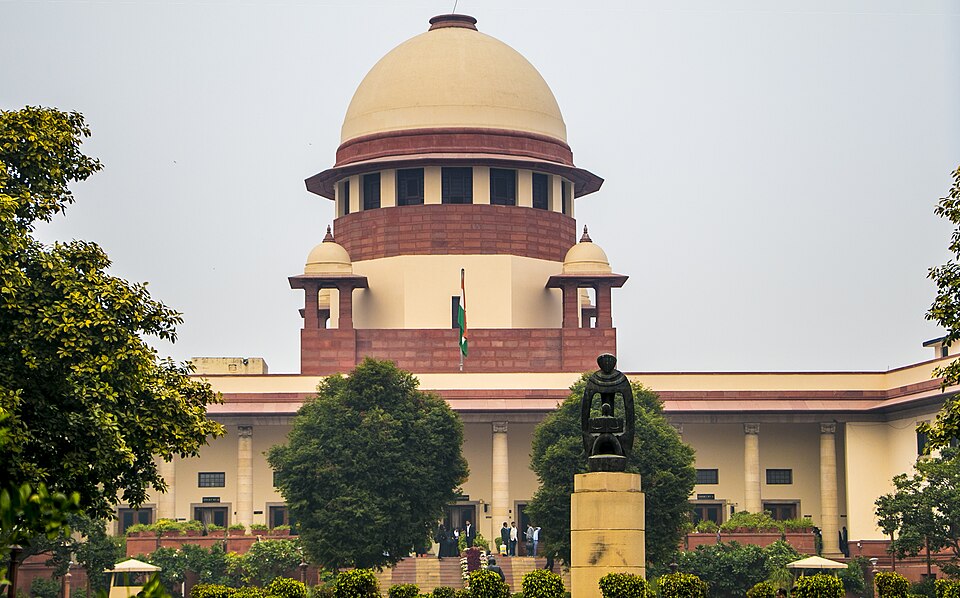
- In what year did India's Supreme Court move into its present building in New Delhi? 19584. The court itself came into existence on January 26, 1950, and held its first proceedings on January 28, 1950.
- The judges noted a cancer drug supplied to hospitals at 2,700 rupees carried what marked-up price? 27,000 rupees3, ten times the supply price.
Sources
- News On AIR (Akashvani), NPPA undertakes Trade Margin Rationalisation for 137 non-scheduled anti-cancer drugs in public interest, October 17, 2026. Accessed October 26, 2026.
- The Daily Pioneer, Government caps margins on 137 anti-Cancer drugs, October 2026. Accessed October 26, 2026.
- Amrit Dhillon, India slashes cost of cancer drugs after court rules mark-ups are 'extortion', The Guardian, October 23, 2026. Accessed October 26, 2026.
- Supreme Court of India, Wikipedia. Accessed October 26, 2026.