2026 401(k) and IRA Contribution Limits Set by the IRS
Key Points
- The IRS set the 2026 401(k) employee contribution limit at $24,500 and the IRA limit at $7,500.
- People aged 50 and older can add an $8,000 catch-up to a 401(k), 403(b), governmental 457 or Thrift Savings Plan, and those aged 60 to 63 have a higher catch-up limit of $11,250.
- The IRS adjusts the main limits each year for cost-of-living increases, and Section 415 of the tax code requires it.
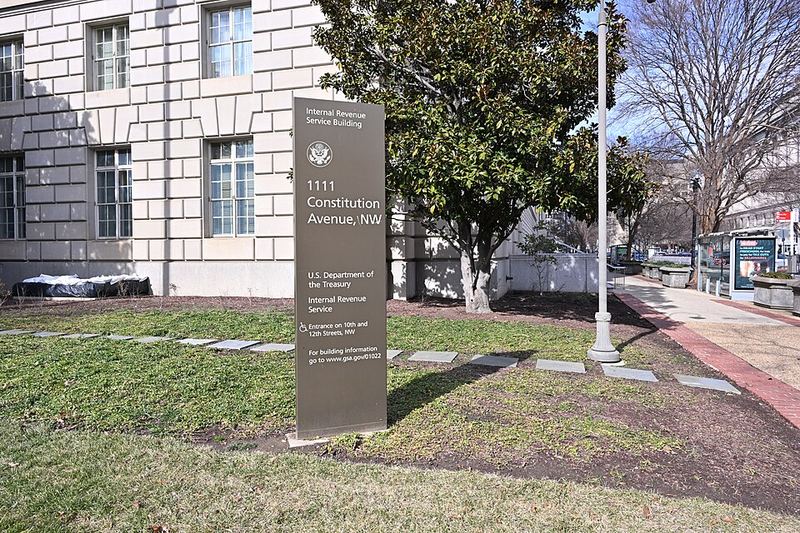

The IRS set the 401(k) employee contribution limit at $24,500 for 2026, up from $23,500 for 2025, and the IRA limit at $7,500, up from $7,0001. The agency announced them on November 13, 20251.
Workplace plans
The $24,500 limit covers 401(k), 403(b) and governmental 457 plans and the federal Thrift Savings Plan1. People aged 50 and older can add a catch-up contribution of $8,000, up from $7,500, which brings the yearly total to $32,5001. For people aged 60 to 63, a higher catch-up limit of $11,250 applies instead of the $8,000, unchanged from 20251.
In the notice's legal language, the $24,500 is the limit under section 402(g)(1) on the exclusion for elective deferrals2. A separate limit under section 457(e)(15) covers deferrals to the deferred compensation plans of state and local governments and tax-exempt organizations, and it also rose from $23,500 to $24,5002. The notice also lists a cap under section 415(c)(1)(A) for defined contribution plans, which rose from $70,000 to $72,000 and is a different figure from the employee limit2.
Notice 2025-67 also raises, from $145,000 to $150,000, the Roth catch-up wage threshold for 2025, which decides whether 2026 catch-up contributions to most employer plans must be designated as Roth contributions2. For SIMPLE retirement accounts, the general limit rose to $17,000 from $16,500, and the catch-up for people 50 and older in most SIMPLE plans rose to $4,000 from $3,5001.
IRAs
The IRA catch-up for people 50 and older rose to $1,100 from $1,000, and the IRS notes that this catch-up is also adjusted for cost of living under the SECURE 2.0 law1.
The IRS table of annual adjustments shows how the main figures have moved since 2023. The 401(k) employee limit was $22,500 in 2023, $23,000 in 2024, $23,500 in 2025 and is $24,500 for 2026. The IRA limit was $6,500 in 2023, $7,000 in 2024 and 2025, and is $7,500 for 20263. The standard catch-up for most workplace plans was $7,500 in 2023, 2024 and 2025 before the 2026 increase to $8,000, and the IRA catch-up stayed at $1,000 from 2023 through 2025 before the change to $1,1003.
Income limits
The income range over which the traditional IRA deduction phases out is $81,000 to $91,000 for single filers covered by a workplace plan, up from $79,000 to $89,000. For married couples filing jointly, when the spouse making the contribution is covered, it is $129,000 to $149,000, up from $126,000 to $146,0001.
The Roth IRA income phase-out is $153,000 to $168,000 for single filers and heads of household, up from $150,000 to $165,000, and $242,000 to $252,000 for married couples filing jointly, up from $236,000 to $246,0001. The Saver's Credit income limits are $80,500 for married couples filing jointly, $60,375 for heads of household and $40,250 for other filers1.
A deduction for traditional IRA contributions is available when the taxpayer meets certain conditions. If either the taxpayer or the taxpayer's spouse was covered by a retirement plan at work during the year, the deduction may be reduced, or phased out, until it is eliminated, depending on filing status and income. If neither is covered by a plan at work, the phase-outs of the deduction do not apply1. For an IRA contributor who is not covered by a workplace plan but is married to someone who is, the phase-out range is $242,000 to $252,000, up from $236,000 to $246,0001. For a married individual filing a separate return who is covered by a workplace plan, the range is not adjusted for cost of living and remains $0 to $10,0001. The same is true of the Roth IRA range for a married individual filing a separate return, which remains $0 to $10,0002.
How the limits are set
The IRS explains that the tax code caps what can go into retirement plans and IRAs, and that Section 415 has the caps raised each year to follow the cost of living3. Under Section 415(d), the adjustments follow procedures similar to those used to adjust Social Security benefit amounts2. The IRS published the technical details in Notice 2025-671.
What to know
The figures answer three separate questions. One is how much can go into an account in a year, which is the $24,500, $7,500 and catch-up numbers. Another is whether a traditional IRA contribution is deductible, which depends on workplace plan coverage, filing status and income. A third is whether income is low enough for the Saver's Credit. The notice describes each of these as its own limit under its own section of the tax code2.
These are general figures and not advice on how much anyone should save. Whether a deduction, credit or Roth contribution applies depends on a person's own tax situation, and the IRS pages above carry the full rules.
Trivia
- What is the 2026 401(k) employee contribution limit? $24,5001.
- What is the 2026 IRA contribution limit? $7,5001.
- What is the 2026 catch-up limit for 401(k) savers aged 60 to 63? $11,2501.
- On what date did the IRS announce the 2026 limits? November 13, 20251.
- Which IRS notice carries the technical details of the 2026 limits? Notice 2025-672.
Sources
- 401(k) limit increases to $24,500 for 2026, IRA limit increases to $7,500, IRS news release IR-2025-111, November 13, 2025. Accessed October 31, 2026.
- Notice 2025-67, 2026 Amounts Relating to Retirement Plans and IRAs, as Adjusted for Changes in Cost-of-Living, Internal Revenue Service. Accessed October 31, 2026.
- COLA increases for dollar limitations on benefits and contributions, Internal Revenue Service, page last reviewed August 24, 2026. Accessed October 31, 2026.