Nestlé Organic Growth Hits 4% in Third Quarter, Led by Volume
Key Points
- Nestlé reported third quarter 2026 organic growth of 4.0%, with real internal growth of 2.8% and pricing of 1.1%, which the release called “moderating as expected”.
- Over nine months, organic growth was 3.7%, but sales were flat in francs, at CHF 65,865 million (about $79.9 billion), mainly because currency movements cut reported growth by 3.7%.
- Petcare grew 5.3% and food and snacks 5.0% in the quarter, while coffee grew 3.4% as it lapped the strongest quarterly growth rate of 2025.
- Nestlé kept its 2026 outlook of organic growth “in the range of 3% to 4%”.
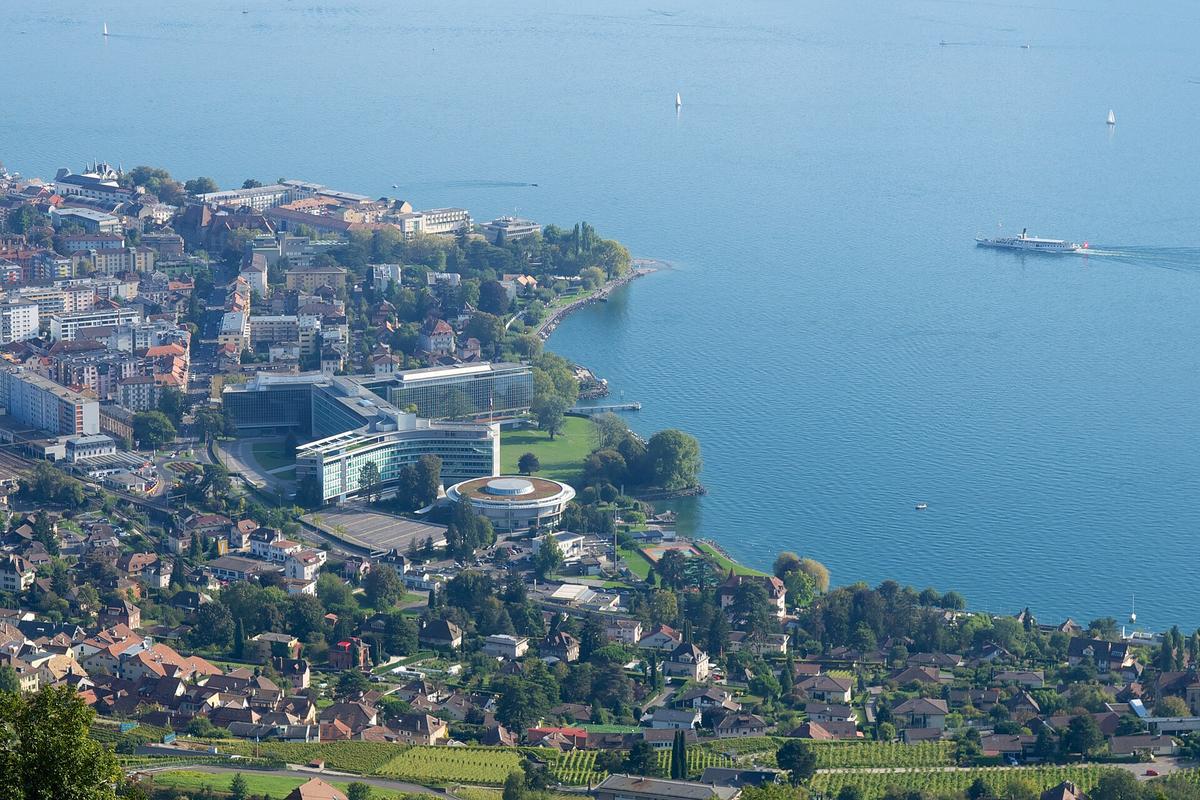

Nestlé sold more food, coffee and pet food in the third quarter of 2026, and leaned less on price increases to grow. In results published from its home in Vevey, Switzerland, on 22 October 2026, the company reported organic growth of 4.0% for July to September, with real internal growth of 2.8% and pricing of 1.1%1. Its chief executive, Philipp Navratil, said, “Our execution is driving stronger growth.”1
For the first nine months of the year, Nestlé reported organic growth of 3.7%, with real internal growth of 1.9% and pricing of 1.8%1. Sales over those nine months came to CHF 65,865 million, against CHF 65,869 million a year earlier1, so reported sales were flat even though the business grew underneath.
What organic growth and RIG mean
Organic growth is the measure Nestlé leads with. In the company’s own definitions, it combines real internal growth and pricing, after removing the impact of acquisitions, divestitures and exchange rate movements3. Real internal growth, or RIG, “represents the impact on sales of volume increases or decreases, weighted by the relative value per unit sold”3, so it rises when people buy more, or buy more of the pricier products in the range. Pricing “represents the portion of sales growth caused by changes in prices over the period”3.
Nestlé says pricing shows, among other things, “the degree to which cost changes have been passed to customers”3. A quarter led by RIG means more of the growth came from selling more, and a quarter led by pricing means more of it came from charging more. In the third quarter, more than two thirds of Nestlé’s organic growth came from RIG, and pricing of 1.1% was, in the release’s words, “moderating as expected”1. Over nine months the two parts were close to even.
The finance chief, Anna Manz, said price rises in 2026 had been incremental compared with significant rises in 20252, Reuters reported, and added, “We’ll take pricing to the extent we can without damaging medium-term consumer penetration.”2 A year earlier, in the third quarter of 2025, the Swiss news agency Keystone-SDA reported price increases of 2.8% and real internal growth of 1.5%5, close to the reverse of this year’s mix.
Sales in francs and dollars
Nestlé reports in Swiss francs (CHF). The Federal Reserve’s H.10 release of 19 October 2026 lists 0.8243 Swiss francs per US dollar4 for 16 October 2026, the latest rate it gave before the results. At that rate, nine month sales of CHF 65,865 million come to about $79.9 billion, and third quarter sales, which the release puts at CHF 22,756 million, up from CHF 21,641 million1, come to about $27.6 billion.
Currency explains why the business grew while the nine month total did not. Over nine months, the release shows foreign exchange cutting reported growth by 3.7%1, which almost exactly cancelled the 3.7% organic growth. In the third quarter alone the effect reversed, and “Foreign exchange movements had a positive impact of 1.5%.”1
Results by region
Nestlé runs three geographic zones plus two businesses it manages globally. The release says RIG was positive across all zones and globally managed businesses1 in the third quarter. Nine month sales below are converted at the rate above.
- Zone Americas: organic growth of 3.3%, with RIG of 2.4%1. Nine month sales were CHF 28,735 million, about $34.9 billion.
- Zone Asia, Oceania and Africa: organic growth of 6.4%, with RIG of 5.0%1. Nine month sales were CHF 15,706 million, about $19.1 billion.
- Zone Europe: organic growth of 1.2%, with RIG of 1.0%1. Nine month sales were CHF 13,724 million, about $16.6 billion.
- Nespresso: organic growth of 2.5%1, on nine month sales of CHF 4,740 million, about $5.8 billion.
- Nestlé Waters and Premium Beverages: organic growth of 12.3%, with RIG of 7.3%1, on nine month sales of CHF 2,814 million, about $3.4 billion.
Grouped another way, emerging markets grew 6.8% organically in the quarter, with RIG of 4.3%, while developed markets grew 2.2%1. In Europe, the company said “the hot weather was an additional headwind for confectionery demand”1.
Coffee, pet food and the rest
Coffee is the second largest category in the release by nine month sales, at CHF 18,281 million, with organic growth of 6.1%1, about $22.2 billion, just behind food and snacks. Third quarter coffee growth slowed to 3.4%1, which the release puts down to the fact that “we lapped the strongest quarterly growth rate of 2025”1. In the United States, it said, coffee RIG “recovered progressively from the initial impact of price increases taken earlier in the year”1.
- Petcare: organic growth of 5.3%, with RIG of 4.3%1, helped by “continued momentum in cat”1.
- Food and snacks: organic growth of 5.0%, with RIG of 5.4%1, supported by “strong performance in Americas confectionery and improving trends in US frozen foods”1. Confectionery is reported inside this category, with no figures of its own.
- Nutrition: organic growth of 0.3%, with RIG of minus 1.1%1, as “strength in medical nutrition was offset by softer performance in adult and kids & all family nutrition”1.
The release also notes an earlier infant formula recall. It said the recall reduced group organic growth by 20 basis points in the quarter1 (0.2 percentage points) and that its impact “continued to ease”1.
The release also recalls that on 1 September 2026 Nestlé agreed to divest its mainstream vitamins, minerals and supplements business to Yellow Wood Partners for USD 1.0 billion1, with the deal “expected to close by the first half of 2027”1, subject to regulatory approvals.
What Nestlé expects for 2026
Nestlé kept its outlook for the full year. The company said it expects organic growth “in the range of 3% to 4%, with RIG accelerating versus 2025”1, an underlying trading operating profit margin “expected to improve versus 2025”1, and free cash flow “expected to be above CHF 9 billion”1, about $10.9 billion at the rate above.
How the market read it
Reuters reported that the quarter’s organic growth was “above analyst expectations for a 3.4% rise”2, that RIG of 2.8% “beat expectations of a 1.5% rise”2, and that pricing of 1.1% was “below forecasts of 1.9%”2. The results pushed the shares “around 1.5% higher”2 during trading on the day, Reuters said. Analysts at Vontobel called the update “reassuring”2, adding that “consistency remains the real test”2, while Barclays analyst Warren Ackerman said “pricing remains the key debate”2 heading into 2027.
About Nestlé
Nestlé is headquartered in Vevey, Switzerland7. The release names Maggi, Milo and KitKat among its “global-leading billionaire brands”1. For the whole of 2025, Nestlé reported total sales of CHF 89,490 million8, about $108.6 billion at the October 2026 rate above.
Trivia
- Who founded the Anglo-Swiss Condensed Milk Company in 1866? US brothers Charles and George Page6.
- What did Henri Nestlé launch in Vevey in 1867? His “farine lactée,” or “flour with milk”6.
- What was the company called after Anglo-Swiss and Nestlé merged in 1905? The Nestlé and Anglo-Swiss Condensed Milk Company9, a name it kept until 1947 (Nestlé’s own history shortens it to the Nestlé & Anglo-Swiss Milk Company6).
- How did Nestlé describe Nescafé when it launched in 1938? As a “powdered extract of pure coffee” made by adding hot water6.
- Which Swiss company, maker of Maggi soups and seasonings, did Nestlé merge with in 1947? Alimentana6.
- In which three countries did Nespresso officially launch in 1986? Japan, Italy and Switzerland6.
- Which UK confectioner did Nestlé buy in 1988, bringing KitKat, After Eight and Smarties? Rowntree Mackintosh6.
- Which Swiss chocolate maker did Nestlé acquire in 1929? Peter-Cailler-Kohler, then the largest chocolate maker in Switzerland6.
Sources
- Nestlé, Third quarter and nine-month 2026 sales, press release, Vevey, 22 October 2026. Accessed October 22, 2026.
- Alexander Marrow, Nestle beats sales forecasts as CEO's turnaround gains pace, Reuters (via Euronext), 22 October 2026. Accessed October 22, 2026.
- Nestlé, Alternative Performance Measures, July 2026 Edition. Accessed October 22, 2026.
- Board of Governors of the Federal Reserve System, Foreign Exchange Rates (H.10), 19 October 2026. Accessed October 22, 2026.
- Keystone-SDA, Nestlé grows faster than expected in the third quarter, blue News, 16 October 2025. Accessed October 22, 2026.
- Nestlé, Our history, nestle.com. Accessed October 22, 2026.
- Nestlé, Wikipedia. Accessed October 22, 2026.
- Nestlé, Full-year results 2025, press release, Vevey, 19 February 2026. Accessed October 22, 2026.
- Nestlé SA, Encyclopaedia Britannica. Accessed October 22, 2026.