Pakistan Inflation Eases to 9.6% in October From 10.3% in September
Key Points
- The Pakistan Bureau of Statistics said consumer prices rose 9.6% on the year in October 2026, after 10.3% in September and 6.2% in October 2025.
- Urban inflation was 9.5% and rural inflation 9.8%, and national prices rose 1.1% on the month.
- In the urban index wheat, wheat flour, onions and motor fuel cost far more than a year earlier, while tomatoes, potatoes and sugar were cheaper.
- As of 3 November 2026 the State Bank of Pakistan policy rate is 12%, after its committee decided on 26 October to “increase the policy rate by 50 bps to 12 percent”.
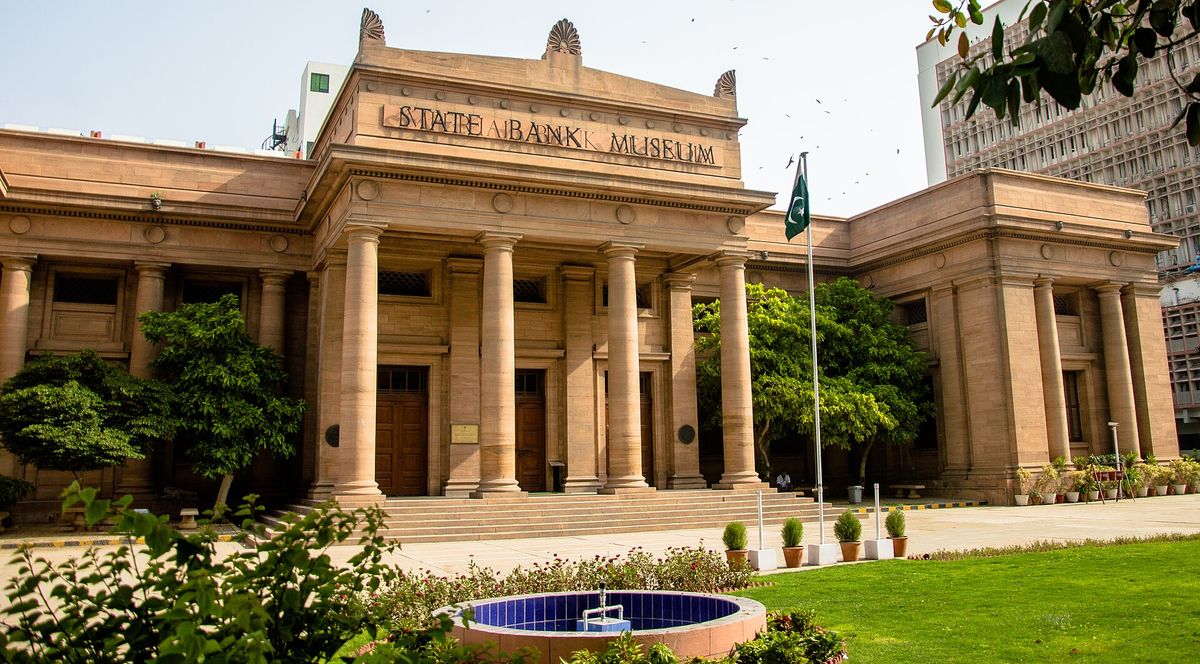

Consumer price inflation in Pakistan slowed in October. In a monthly review of price indices posted on 2 November 20262, the Pakistan Bureau of Statistics (PBS) said general consumer prices rose 9.6% on the year in October 20261, compared with 10.3% in September and 6.2% in October 2025. On the month, prices rose 1.1%, a little less than September’s 1.3%. The national consumer price index stood at 307.62 in October 2026, against 280.66 a year earlier1, a rise of 9.61% before rounding.
Urban inflation was 9.5% on the year, down from 10.1%1, and rural inflation was 9.8%, down from 10.5%. The monthly picture split the other way: urban prices rose 0.8% from September while rural prices rose 1.5%, up from 1.2% in the previous month1.
How 2026 has gone
In the PBS table of monthly rates, the national rate was 7.0% in February and 7.3% in March1, then jumped to 10.9% in April and 11.7% in May, the highest reading in the table. It was 11.1% in June, 9.2% in July, 11.1% again in August and 10.3% in September. October is the second month of Pakistan’s 2026 to 2027 fiscal year, which began in July, to come in below 10%. July was the first.
The table also shows annual inflation at 0.3% in April 20251, the lowest rate it lists; it stayed below 7% every month from January 2025 through January 2026. Averaged over July to October, consumer prices were 10.05% higher in fiscal 2026 to 20271, against an average of 4.79% for the same four months a year earlier and 8.68% two years earlier.
Far below the 2023 peak
The State Bank of Pakistan (SBP) said in its monetary policy statement of 12 June 2023 that it viewed inflation to have peaked at 38 percent in May 20236. October’s 9.6% is about a quarter of that peak, though still above the central bank’s medium-term target range of 5 to 7 percent4.
What the index measures
PBS publishes separate urban and rural consumer price indices alongside the national figure. Its urban index covers 35 cities and urban centres3, and prices of 356 consumer items are collected from the open market, grouped under 12 main headings. The current base year is 2015-163, and the weight each item carries comes from a household budget survey, HIES 2015-16, so items that take a bigger share of a typical family’s spending count for more.
Food is the heaviest of the 12 groups. In the national index, food and non-alcoholic beverages carry a weight of 34.58%1, followed by housing, water, electricity, gas and fuels at 23.63%.
Wheat up, vegetables mixed
National food prices rose 7.74% on the year and 2.26% on the month1, and food added 2.85 percentage points to the 9.61% headline. Perishable food was cheaper than a year earlier, down 2.35%, while non-perishable food rose 9.55%.
In the urban index, wheat was 39.04% dearer than in October 20251 and wheat flour 34.27%, with flour up 7.54% in October alone. Onions were up 81.89% on the year and chicken 20.30%, after chicken prices rose 19.38% in a single month. Several kitchen basics went the other way. Tomatoes were 55.12% cheaper than a year earlier1 and fell 31.63% from September, while potatoes were down 31.54%, sugar 21.8% and eggs 19.05% on the year.
The SBP has pointed to wheat as well. Its 26 October statement named domestic wheat supply frictions4 among the major factors keeping inflation elevated, and said higher prices of energy and of wheat and its allied products contributed significantly to September’s 10.3%.
Energy and transport
Transport posted the largest annual increase of the 12 groups, up 28.61% on the year1 and adding 1.93 points to the headline, while housing, water, electricity, gas and fuels rose 11.03% and added 2.32 points. In the urban index, motor fuel cost 41.29% more than a year earlier1 and rose 3.00% from September. Liquefied hydrocarbons rose 8.39% in the month and 69.08% on the year.
Electricity offered some relief in the month. Electricity charges fell 3.31% from September1, though they remained 22.85% above October 2025.
Core inflation
PBS also publishes two measures of core inflation. Non-food, non-energy inflation in urban areas was 7.8% in October 20261, down from 8.6% in September but above 7.5% in October 2025. The rural version was 7.1%, down from 8.1%. A second measure, the 20% weighted trimmed mean, was 8.5% in urban areas and 8.9% in rural areas1, both lower than in September.
Where the policy rate stands
As of 3 November 2026, the SBP policy rate is 12%. The Monetary Policy Committee decided on 26 October to increase the policy rate by 50 bps to 12 percent4, effective 27 October, by a majority of nine of its ten members. At its previous meeting, on 14 September, it had kept the rate at 11.5%5 by a majority of seven of ten. The October statement said the move was meant, among other aims, to keep the real policy rate adequately positive4 looking ahead, and to bring inflation into the 5 to 7 percent range over the medium term. The decision came a week before the October figure was published.
The bank’s own outlook has shifted between those two meetings. In September, the committee said inflation was expected to gradually ease towards the upper bound5 of the target range by June 2027. In October, it said the inflation outlook had worsened as compared to the earlier assessment4, and listed energy tariff adjustments, wheat and allied product prices, and adverse weather among the risks.
Trivia
- About how many households were surveyed in HIES 2015-16 to set the consumption weights of the CPI? Approximately 26,0003, according to PBS.
- How many markets does the urban CPI cover? 68 markets3, according to PBS.
- How many rural centres and consumer items does the rural CPI cover? 27 rural centres and 244 consumer items3.
- How much did the Wholesale Price Index rise in the year to October 2026? 13.8%1, compared with 1.1% in the year to October 2025.
- At what level did the SBP keep its policy rate on 12 June 2023? 21 percent6.
- Roughly how large were the SBP foreign exchange reserves, according to its 26 October 2026 statement? Around US$21.5 billion4, about 3 months of import cover.
- What revised real GDP growth did PBS report for fiscal 2025 to 2026, as cited by the SBP? 3.7 percent4, almost unchanged from the initial estimate.
Sources
- Pakistan Bureau of Statistics, Monthly Review on Price Indices, October 2026 (Base Year 2015-16). Accessed November 3, 2026.
- Pakistan Bureau of Statistics, Monthly Inflation Report for Oct 2026, 2 November 2026. Accessed November 3, 2026.
- Pakistan Bureau of Statistics, Price Statistics. Accessed November 3, 2026.
- State Bank of Pakistan, Monetary Policy Committee, Monetary Policy Statement, 26 October 2026. Accessed November 3, 2026.
- State Bank of Pakistan, Monetary Policy Committee, Monetary Policy Statement, 14 September 2026. Accessed November 3, 2026.
- State Bank of Pakistan, Monetary Policy Committee, Monetary Policy Statement, 12 June 2023. Accessed November 3, 2026.