Social Security 2027 COLA: What the 3.6 Percent Raise Means
Key Points
- On October 14, 2026, the Social Security Administration announced a 3.6 percent cost-of-living adjustment for 2027, which the agency says reaches 76 million Americans.
- The estimated average monthly benefit for all retired workers goes from $2,095 before the COLA to $2,170 after it, for benefits payable in January 2027.
- The taxable maximum, the most earnings subject to the Social Security payroll tax, rises to $192,300 from $184,500 in 2027.
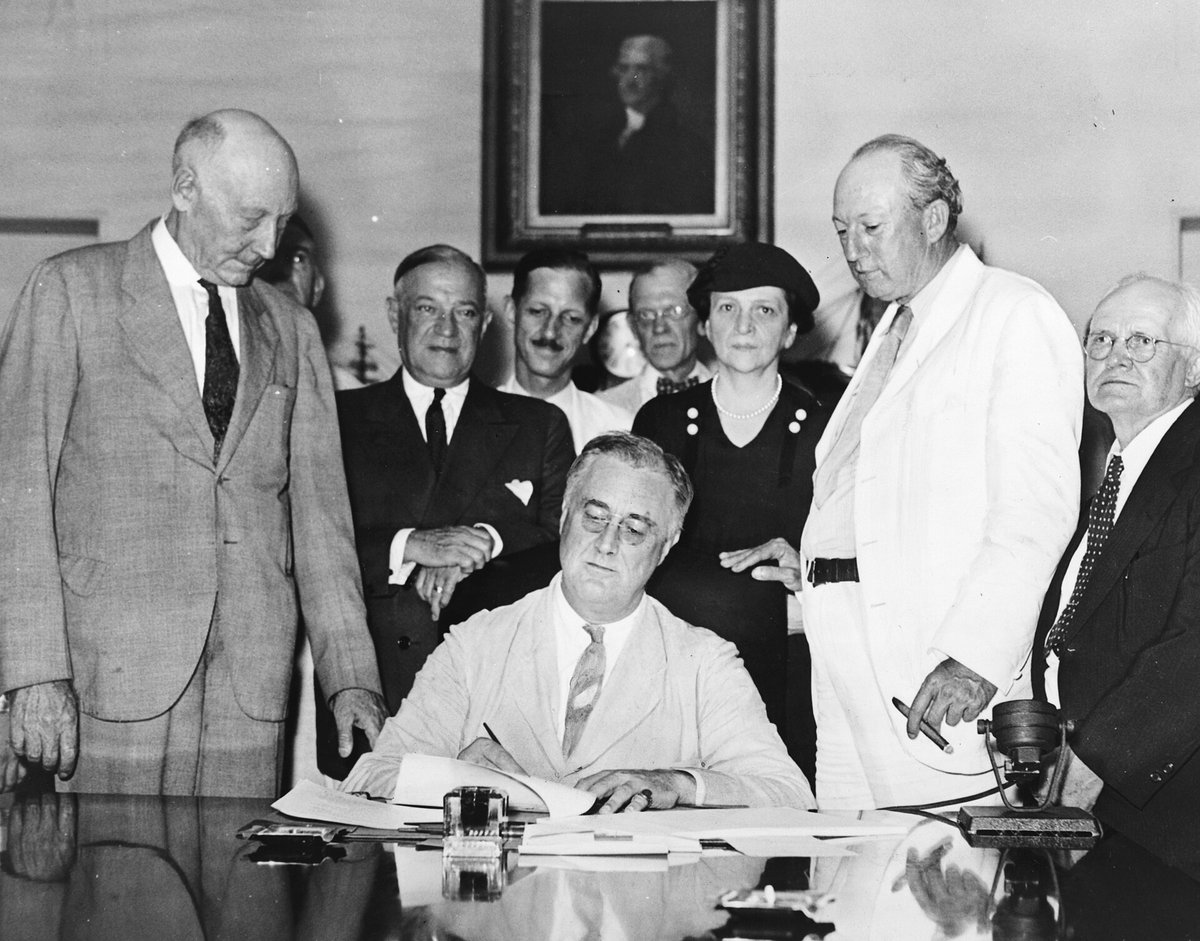

Social Security checks are getting bigger next year. On Wednesday, October 14, 2026, the Social Security Administration announced a 3.6 percent benefit increase for 20271, its annual cost-of-living adjustment, or COLA. The agency says the raise reaches 76 million Americans1, counting both Social Security beneficiaries and people who receive Supplemental Security Income (SSI), and it notes that some people get both.
Who gets it, and how much
The increase applies to nearly 72 million Social Security beneficiaries1, the people collecting retirement, survivor and disability benefits, plus about 7.3 million people receiving SSI1. On average, retirement benefits will rise by $75 per month1.
The estimated average monthly benefit for all retired workers goes from $2,095 before the COLA to $2,170 after it4. An aged couple with both partners receiving benefits moves from $3,238 to $3,3554, and the average for all disabled workers goes from $1,642 to $1,7014. Those are estimates for benefits payable in January 2027.
To estimate the increase to a single check, CNBC suggests that beneficiaries multiply their current monthly benefit by 0.0368. A $2,000 benefit, for example, works out to $72 more, or $2,072 a month, before any deductions. SSI works a little differently because it has a set federal payment standard, which rises from $994 to $1,029 a month for an individual4 and from $1,491 to $1,544 for a couple4.
When the raise shows up
Social Security beneficiaries see the higher amount beginning in January 20271. Technically, the increase starts with the December 2026 benefits, which are payable in January 20275. SSI recipients get theirs a little sooner, with increased payments starting on December 31, 20261. SSI is normally paid on the first of the month, and because January 1 is a holiday, the SSI payments for January are always made at the end of the previous December5.
Each beneficiary gets a notice with the new amount. People with an online Social Security account can read theirs online starting in late November1, and SSA says those without an account need to create one and enroll in paperless notices by November 181 to see it online. Everyone else will receive their COLA notice by mail in December1. SSA describes it as a simplified, one-page COLA notice1 that gives the new benefit amount, payment dates and any deductions.
Where 3.6 percent comes from
Nobody picks the number. The Social Security Act sets a formula tied to the Consumer Price Index for Urban Wage Earners and Clerical Workers (CPI-W)5, an inflation measure the Bureau of Labor Statistics calculates every month. SSA compares the average CPI-W for the third quarter (July, August and September) of this year with the same average from the last year a COLA took effect. If prices rose, the increase is rounded to the nearest tenth of one percent5. If they did not, or the rounded increase is zero, there is no COLA.
For 2027, the base is the third quarter of 2025, when the CPI-W averaged 317.2655. The third quarter of 2026 averaged 328.7465. The gap between those two is about 3.62 percent, which rounds to 3.6. September carried the highest reading of the quarter, at 330.6545.
Congress built this automatic adjustment into law as part of the 1972 Social Security Amendments3. Before that, according to SSA, benefits were increased only when Congress enacted special legislation3.
How 2027 compares with recent years
| January of | COLA |
|---|---|
| 2023 | 8.7%3 |
| 2024 | 3.2%3 |
| 2025 | 2.5%3 |
| 2026 | 2.8%3 |
| 2027 | 3.6%3 |
CNBC calls the 2027 figure the largest increase to benefits since 20238, the year beneficiaries got an 8.7 percent raise that CNBC describes as the highest in four decades8. It also lines up with forecasts. CNBC reports that Social Security experts forecast an increase of 3.5% to 3.6%8 the month before. The actuarial table at SSA lists each COLA by the December it takes effect6, so the raise in January 2027 checks appears there under 2026.
The other numbers that change in 2027
Several other adjustments that take effect each January are based on increases in average wages2, and SSA released them the same day. The maximum amount of earnings subject to the Social Security payroll tax, known as the taxable maximum, rises to $192,300 from $184,5002. The employee tax rate stays at 7.65 percent4, the combined 6.2 percent for Social Security and 1.45 percent for Medicare.
The retirement earnings test also loosens. For people younger than full retirement age all year, the annual limit goes to $25,5603, and SSA withholds $1 in benefits for every $2 earned above it. In the year someone reaches full retirement age, the limit rises to $67,9203, with $1 withheld for every $3 above it, counting only the months before full retirement age. Starting with the month a person reaches full retirement age, the earnings limit no longer applies4.
In 2027, one quarter of coverage, the unit used to build eligibility for benefits, takes $1,970 in earnings, up from $1,8904. The substantial gainful activity threshold used in disability cases rises to $1,770 a month4 for people who are not blind and $2,950 a month4 for people who are blind. The maximum benefit for a worker retiring at full retirement age is $4,188 a month4 in 2027.
What about Medicare Part B?
Medicare premiums can be deducted directly from benefit checks8, so the Part B premium shapes how much of the raise actually lands. As of October 15, 2026, the 2027 standard Part B premium has not been announced. SSA says that for Medicare enrollees, the 2027 premium amount will be available in the Message Center of their online Social Security account starting in late November1. For 2026 the standard premium is $202.90 a month, up $17.90 from $185.00 in 20257, and CMS released those amounts on November 14, 20257. CNBC reports that the Medicare trustees projected the 2027 standard premium at $209.508.
Federal retirees get a different number
Federal civilian retirees have their own COLA rules. Retirees under the older Civil Service Retirement System will get the full 3.6%9, according to Federal News Network. Those under the Federal Employees Retirement System follow a formula that trims the adjustment whenever the COLA is above 2 percent. When it is over 3 percent, FERS retirees get the COLA minus one percentage point9, which works out to a 2.6% adjustment9 for 2027.
Trivia
Who received the first monthly Social Security check, and for how much?
Ida May Fuller of Vermont, a former schoolmate of Calvin Coolidge. Check number 00-000-001 was issued in the amount of $22.54 and dated January 31, 194010.
How big was the first general benefit increase, in 1950?
77 percent, effective September 195011 and first paid in the October 1950 checks.
When did the first automatic COLA arrive, and how large was it?
July 1975, at 8.0 percent3. COLAs were paid each July through 1982 before moving to January.
What is the largest automatic COLA on record?
14.3 percent, in July 19803.
In which years did January checks carry no COLA at all?
2010, 2011 and 20163, each at 0.0 percent.
When did Social Security last pay a 3.6 percent COLA?
In January 20123.
How much did Ernest Ackerman, the earliest reported applicant for a lump sum benefit, receive?
Seventeen cents. The retired Cleveland motorman had a nickel withheld from his pay11 during his one day in the program.
Who got the Social Security card with the lowest possible number?
Grace D. Owen of Concord, New Hampshire, the first applicant from that state, who applied on November 24, 193612. The number had first been offered to Social Security Board Chairman John G. Winant, who declined it.
Sources
- Social Security Administration, Social Security Announces 3.6 Percent Benefit Increase for 2027, press release, October 14, 2026. Accessed October 15, 2026.
- Social Security Administration, Social Security Announces 3.6 Percent Benefit Increase for 2027, Social Security Matters blog, October 14, 2026. Accessed October 15, 2026.
- Social Security Administration, Cost-of-Living Adjustment (COLA) Information for 2027. Accessed October 15, 2026.
- Social Security Administration, 2027 Cost-of-Living Adjustment (COLA) Fact Sheet. Accessed October 15, 2026.
- Social Security Administration, Office of the Chief Actuary, Latest Cost-of-Living Adjustment. Accessed October 15, 2026.
- Social Security Administration, Office of the Chief Actuary, Cost-of-Living Adjustments. Accessed October 15, 2026.
- Centers for Medicare and Medicaid Services, 2026 Medicare Parts A and B Premiums and Deductibles, fact sheet, November 14, 2025. Accessed October 15, 2026.
- Social Security Administration announces 3.6% cost-of-living adjustment for 2027, CNBC, October 14, 2026. Accessed October 15, 2026.
- Drew Friedman, 2027 COLA is 3.6% for many retirees, but some feds will see a smaller adjustment, Federal News Network, October 14, 2026. Accessed October 15, 2026.
- Social Security Administration, The First Social Security Beneficiary, Social Security History. Accessed October 15, 2026.
- Social Security Administration, Social Security History: Brief History. Accessed October 15, 2026.
- Social Security Administration, The First Social Security Number and the Lowest Number, Social Security History. Accessed October 15, 2026.