UK Polio Sewage Testing, Expanded After 2022 London Detection
Key Points
- On 26 October 2026, WHO's Regional Office for Europe published a feature on how the UK's wastewater testing for polio changed after poliovirus was detected in London in 2022.
- UKHSA says untreated sewage is collected monthly from 28 sewage treatment sites in England, as an early warning system for poliovirus importations.
- UKHSA says the last detection linked to the 2022 incident was in sewage collected in November 2022, and WHO removed the UK from its list of polio infected countries in December 2023.
- UKHSA's guidance says as of 26 March 2026, later detections in 2025 and 2026 showed no evidence of sustained community transmission or local transmission.
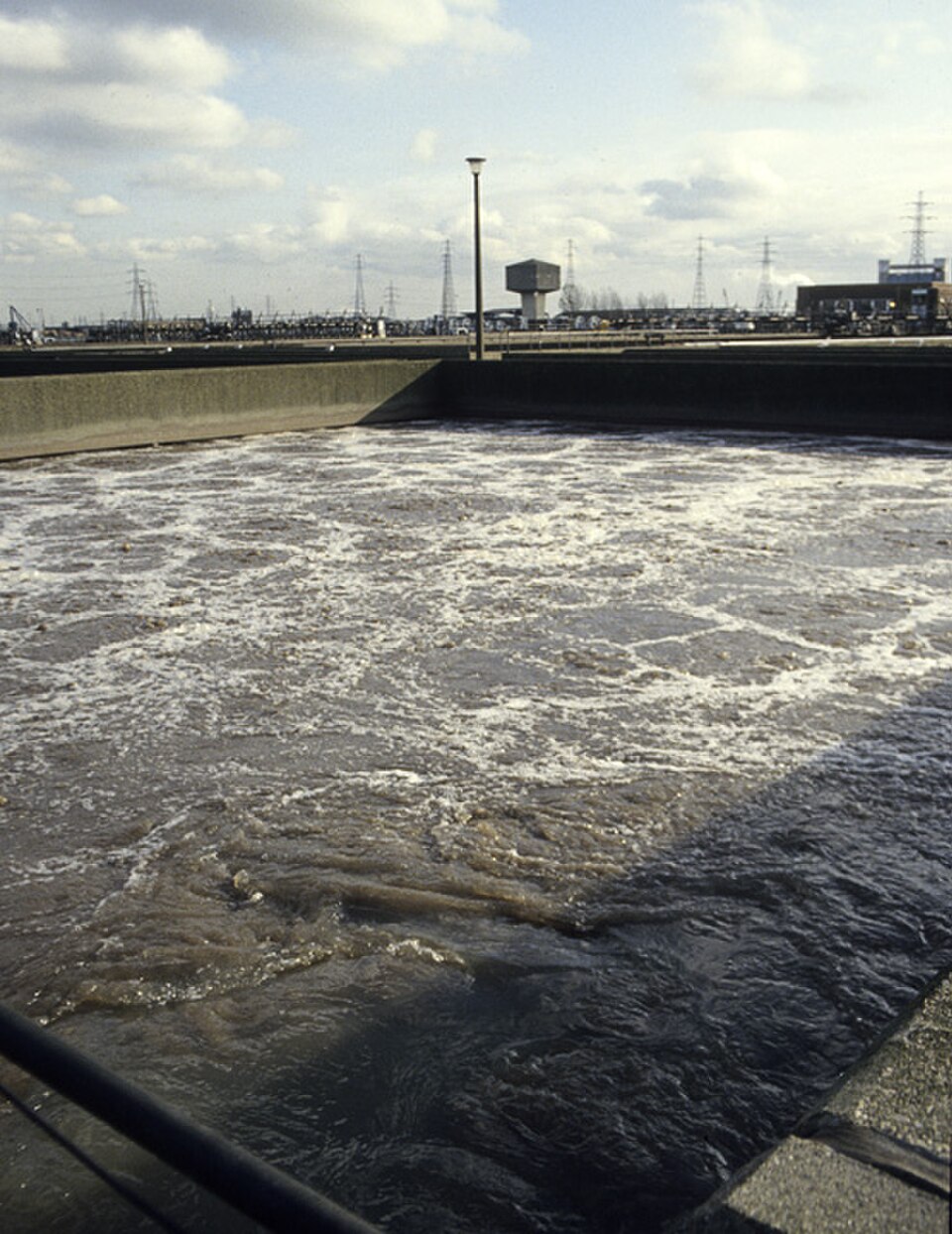

On 26 October 2026, the World Health Organization's Regional Office for Europe published a feature story on how the United Kingdom's sewage testing for polio changed after 2022. It says the detection of poliovirus in London that year helped turn wastewater surveillance from a targeted scientific investigation into a routine public health tool1. The UK Health Security Agency (UKHSA) describes the current setup in guidance updated on 7 July 20263.
What changed after 2022
The WHO story says that for many years just two sites in the United Kingdom had their wastewater tested1 for enteroviruses including poliovirus: London and Glasgow. From February 2022, concerning detections were made at the Beckton site in London, and in August 2022 it was formally confirmed that the country had "circulating" vaccine-derived poliovirus type 21, based on the same isolate being detected for more than 60 days. UKHSA's guidance gives the same sequence of events and adds that the last detection linked to that incident was in sewage collected in London in November 20223.
UKHSA's announcement on 22 June 2022 said it was normal for one to three "vaccine-like" polioviruses to be detected each year2 in UK sewage, and that the virus then under investigation had only been detected in sewage samples, with no associated cases of paralysis reported2 at that date. The same release noted that the last case of wild polio contracted in the UK was confirmed in 19842 and that the UK was declared polio-free in 20032.
How the testing works now
UKHSA says that in England untreated sewage samples are collected monthly from 28 sewage treatment sites3, in collaboration with water companies, and sent to a laboratory of the Medicines and Healthcare products Regulatory Agency (MHRA), with extra testing capacity from NHS Lothian. The sites were chosen using criteria that include areas with low vaccine coverage for the childhood immunisation programme3 and areas with a higher risk of importation. The WHO story adds that London remains under more intensive surveillance, with some sites still sampled every 2 weeks1, and that testing can be increased immediately if poliovirus or a related virus is detected.
UKHSA describes the purpose in its guidance as an early warning system of poliovirus importations3. It also says that monitoring takes place at population level, and that infections cannot be traced back to individuals3.
Tracing the 2022 detections
A UKHSA consultant epidemiologist who oversaw the response is quoted in the WHO story saying the London works covers a population of close to 4 million people1. Sampling upstream of the works let teams home in on 8 local authority areas1. UKHSA's guidance says its Joint Committee on Vaccination and Immunisation recommended polio booster doses for children aged one to 9 across London3, implemented in 2022. The WHO story says WHO evidence suggested the virus found in London was genetically linked to poliovirus detected in Israel and the United States1.
Detections since, and the record to date
UKHSA's guidance says WHO removed the UK from its list of polio "infected" countries in December 20233, after no detections for 12 months. The same page lists later detections of vaccine-derived poliovirus type 2 in sewage in 2024, 2025 and 2026. UKHSA links these viruses to detections in other European countries and describes them as consistent with importations3. For 2025 it says sequence analysis provides no evidence of sustained community transmission3, and for the March 2026 detection at Beckton, as of 26 March 2026, there is no evidence of local transmission3. It adds that UKHSA's page says it continues to test Beckton samples fortnightly (the page's 2026 section runs to 26 March 2026)3.
In the WHO story, the same epidemiologist says the biggest lesson is that countries should not wait for an outbreak before building surveillance capacity, and that having the system means the UK is "more resilient and able to pick up things earlier"1.
Trivia
- In which year was the UK declared polio-free? 20032.
- Which two places had their wastewater tested for enteroviruses for many years before 2022? London and Glasgow1.
- How many sewage treatment sites in England does UKHSA sample monthly? 283.
- In what year was the last case of wild polio contracted in the UK confirmed? 19842.
- Booster doses were recommended for children of which ages across London in 2022? One to 93.
Sources
- World Health Organization Regional Office for Europe, How a polio outbreak transformed wastewater testing in the United Kingdom, 26 October 2026. Accessed October 27, 2026.
- UK Health Security Agency, Poliovirus detected in sewage from North and East London, 22 June 2022. Accessed October 27, 2026.
- UK Health Security Agency, Environmental surveillance for polio, updated 7 July 2026. Accessed October 27, 2026.