UN Day 2026: The Charter That Created the United Nations Turns 81
Key Points
- United Nations Day, October 24, marks the day in 1945 when the UN Charter entered into force and the United Nations officially came into being.
- Representatives of 50 countries drafted and signed the Charter in San Francisco between April 25 and June 26, 1945.
- The UN's list of member states now runs to 193, and the most recent to join was South Sudan in 2011.
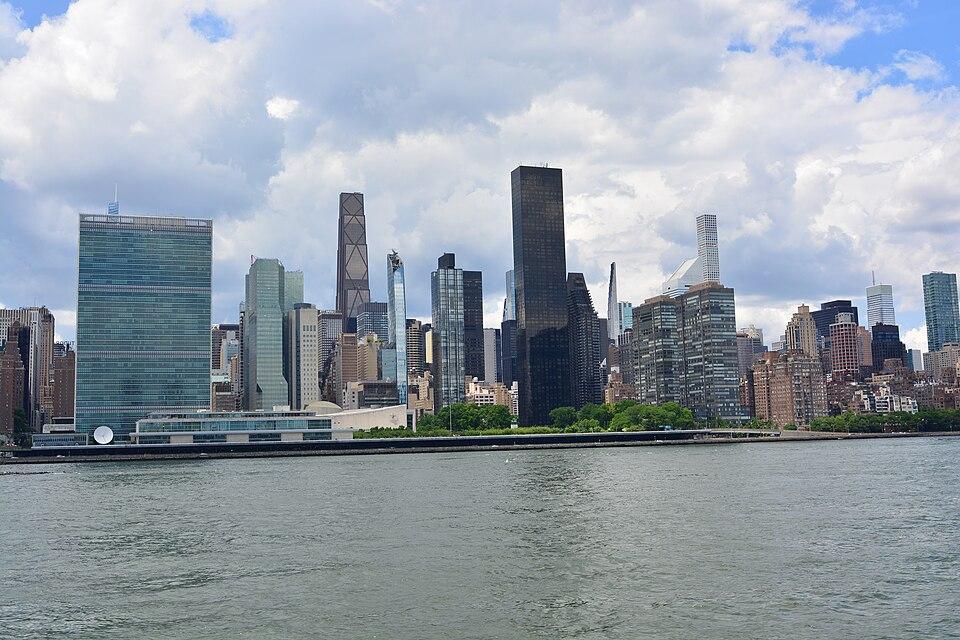

October 24 is United Nations Day. It marks the anniversary of the day in 1945 when the UN Charter entered into force and the United Nations officially came into being1. In 2026 that anniversary is the 81st.
Two months in San Francisco
Representatives of 50 countries met at the United Nations Conference on International Organization in San Francisco from April 25 to June 26, 19452, as World War II was about to end, to draft and sign the Charter of a new international organization.
The first invitations went to the nations that had declared war on Germany and Japan and had subscribed to the United Nations Declaration, the four sponsoring powers among them3. The conference itself then invited the Byelorussian Soviet Socialist Republic, the Ukrainian Soviet Socialist Republic, Argentina and newly liberated Denmark. Poland sent no representative, because the makeup of its new government was announced too late for the conference, so a space was left for its signature.
The conference worked from the Dumbarton Oaks proposals, the Yalta Agreement and amendments proposed by various governments, and it agreed upon both the Charter and the Statute of the new International Court of Justice3. There were 850 delegates, and with their advisers and staff and the conference secretariat the total came to 3,500, alongside more than 2,500 press, radio and newsreel representatives and observers3. The UN calls it one of the most important conferences in history and, perhaps, the largest international gathering ever held.
How the text got written
The heads of the delegations of the four sponsoring countries took turns as chairman of the plenary meetings, and more than five thousand documents were considered3. Every part of the Charter had to be passed by a two-thirds majority, and the Charter was adopted unanimously on June 25, 1945, at the San Francisco Opera House, and signed the next day, June 26, at the Herbst Theatre auditorium of the Veterans War Memorial Building3.
From signature to entry into force
The Charter was signed on June 26, 1945, at the close of the San Francisco conference, and came into force on October 24, 19454. It took effect four months after the conference ended, once China, France, the Soviet Union, the United Kingdom, the United States and a majority of the other signatories had ratified it2.
The United Nations did not come into existence at the signing, because in many countries the Charter had to be approved by congresses or parliaments3. The ratifications had to be deposited with the State Department of the United States3. The UN says that condition was fulfilled on October 24, 1945, in accordance with Article 110, paragraph 33.
Poland signed the Charter on October 15, 1945, and became one of the original 51 members3, nine days before the Charter came into force.
The Charter since 1945
The UN describes the Charter as an international treaty that binds its member states4, and it says the Charter has been amended three times. The Statute of the International Court of Justice, the UN's principal judicial organ, is annexed to the Charter as an integral part of it.
The UN says the Charter codifies the major principles of international relations, from the sovereign equality of states to the prohibition of the use of force in international relations4. Its outline runs from a preamble through 19 chapters, covering topics such as the General Assembly, the Security Council, the peaceful settlement of disputes, the International Court of Justice and the Secretariat4.
The organization has grown from those 51 original members. The UN's list of member states now runs to 193, and the most recent to join was South Sudan, admitted on July 14, 20115. The UN says the United Nations, its specialized agencies, related agencies, funds, programs and staff have been awarded the Nobel Peace Prize 13 times2.
What to know
The numbers are easy to mix up, so it helps to keep the groups apart. Fifty nations took part in the San Francisco conference, 51 are counted as original members once Poland signed in October, and 193 are on the member list now.
The member list gives each state a date of admission, and several entries carry the date of October 24, 1945, among them Argentina, Belarus and Brazil, while Australia is listed on November 1, 19455.
Trivia
- In which city was the UN Charter drafted and signed? San Francisco3.
- Which country signed the Charter on October 15, 1945, to become one of the original 51 members? Poland3.
- How many times has the UN Charter been amended, according to the UN? Three times4.
- Which country is the newest UN member state? South Sudan, on July 14, 20115.
- How many times have the UN and its agencies, funds, programs and staff been awarded the Nobel Peace Prize? 13 times2.
Sources
- United Nations Day, United Nations. Accessed October 31, 2026.
- History of the United Nations, United Nations. Accessed October 31, 2026.
- The San Francisco Conference, United Nations. Accessed October 31, 2026.
- UN Charter, United Nations. Accessed October 31, 2026.
- Member States, United Nations. Accessed October 31, 2026.