Evacuation Day: The British Leave New York, November 25, 1783
Key Points
- On November 25, 1783, the last British soldiers left New York City, the last British military position in the former Thirteen Colonies, according to History.com.
- The final day was first agreed as November 22, but rain caused a postponement until November 25.
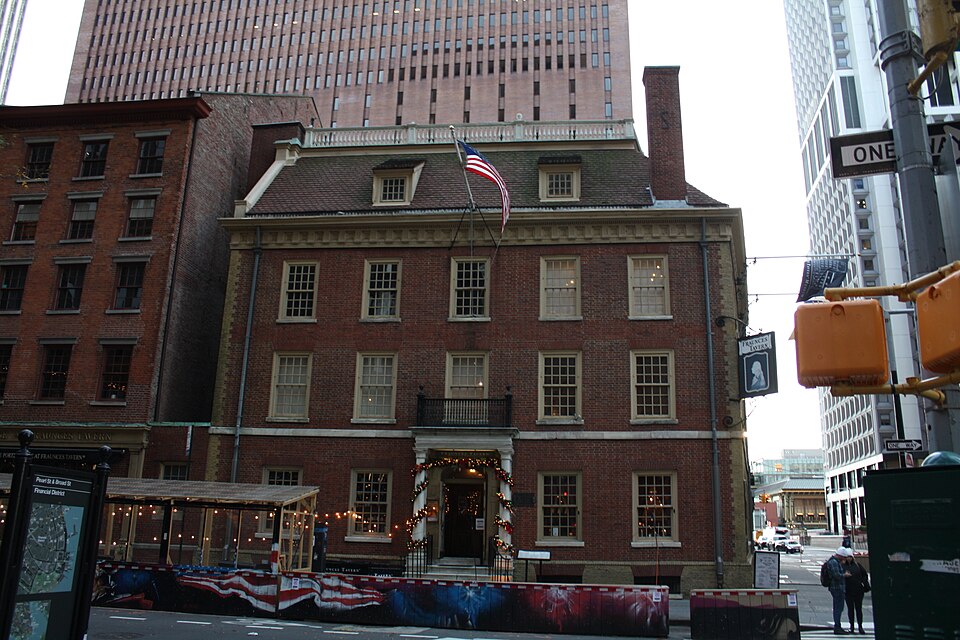
- The Maryland State Archives says Washington rode in with nearly 800 American soldiers, and that Governor George Clinton hosted a dinner at Fraunces Tavern that evening.
- The ceremonies ran on to December 4, when Washington bade farewell to his troops at Fraunces Tavern, and December 11, a national day of thanksgiving.

Wednesday, November 25, 2026, is the 243rd anniversary of Evacuation Day in New York. On that date in 1783, the last British soldiers withdrew from New York City, the last British military position in the former Thirteen Colonies3. The story includes a rain delay that moved the date, a tavern dinner and more than two weeks of ceremonies for the new country.
Two places left in British hands
By the time the Treaty of Paris of 1783 was signed, British forces occupied only two points along the Atlantic coast: a lumber area at the mouth of the Penobscot River in what is now Maine, and New York City1. The British had captured New York in September 1776 and made it their headquarters and base of operations1. Residents lived under harsh conditions made worse by sickness, lack of supplies and fires in 1776 and 1778 that destroyed nearly 600 buildings1.
History.com puts it nearly three months after the Treaty of Paris was signed3. The Maryland State Archives notes that the American victory at Yorktown had come in October 1781, yet it took nearly two years to negotiate the peace2.
A long exit
Sir Guy Carleton, who became the British commander in chief in the closing stage of the war, had the delicate job of suspending hostilities, protecting Loyalists and withdrawing the remaining British forces1. Brook Watson, the British commissary general, reported that between January and November 1783 a total of 29,244 men, women and children left New York on British vessels bound for Canada or Europe1. By November only slightly more than 6,000 troops remained in the port1.
General George Washington met Carleton in May 1783 aboard the Greyhound, anchored off Dobbs Ferry, to discuss the evacuation1. The two men eventually agreed on November 22 as the final day for the withdrawal, but rain caused a postponement until November 251. On November 19, Washington arrived at Day's Tavern with New York governor George Clinton and several other army officers and state officials1.
November 25, 1783
Two processions took place on Evacuation Day. The military paraded into the city to occupy it and to relieve the British garrison of control. Then Washington and state officers entered the city to take legal possession of it by virtue of their political authority1. The Maryland State Archives says Washington rode in with nearly 800 American soldiers and that he and his troops were greeted as conquering heroes2. The same page adds that cannon fire marked the British departure, and the American soldiers, led by Washington and Governor Clinton, paraded through the city2.
That evening, Governor Clinton hosted a dinner at Fraunces Tavern in honor of Washington and his officers2. Clinton established himself in the DeLancey mansion on Queen Street and began to conduct the affairs of government1.
The ceremonies that followed
The celebrations ran for more than two weeks. On December 2, a public fireworks display took place at the Bowling Green1. Two days later, Washington bade farewell to his troops at Fraunces Tavern1. On December 11, the ceremonies concluded with a national day of public thanksgiving observed with a number of religious programs1.
Where the Loyalists went
History.com says the British evacuated their New York Loyalists to remaining British territories, mainly in Canada3. It adds that in 1784, one year after their arrival, the new Loyalist population spurred the creation of New Brunswick in lands west of the Bay of Fundy that had been part of Nova Scotia3.
Trivia
Which two points on the Atlantic coast were still held by British forces when the Treaty of Paris was signed?
A lumber area at the mouth of the Penobscot River in what is now Maine, and New York City1
What date was first agreed as the final day of the withdrawal, and what pushed it to November 25?
November 22, and rain1
Where did Governor George Clinton host a dinner for Washington and his officers on the evening of November 25, 1783?
Fraunces Tavern2
On what ship did Washington meet Sir Guy Carleton in May 1783 to discuss the evacuation, and where was it anchored?
The Greyhound, anchored off Dobbs Ferry1
How many men, women and children did Brook Watson report leaving New York on British vessels between January and November 1783?
29,2441
Sources
- Evacuation of the British Troops from New York, EBSCO Research Starters, History, 2022. Accessed November 18, 2026.
- Evacuation day and Washington's triumphal entry in New York City, Nov. 25th, 1783, Stairwell Room, Maryland State House, Maryland State Archives. Accessed November 18, 2026.
- Last British soldiers leave New York, HISTORY.com Editors, published November 13, 2009, last updated January 31, 2025. Accessed November 18, 2026.